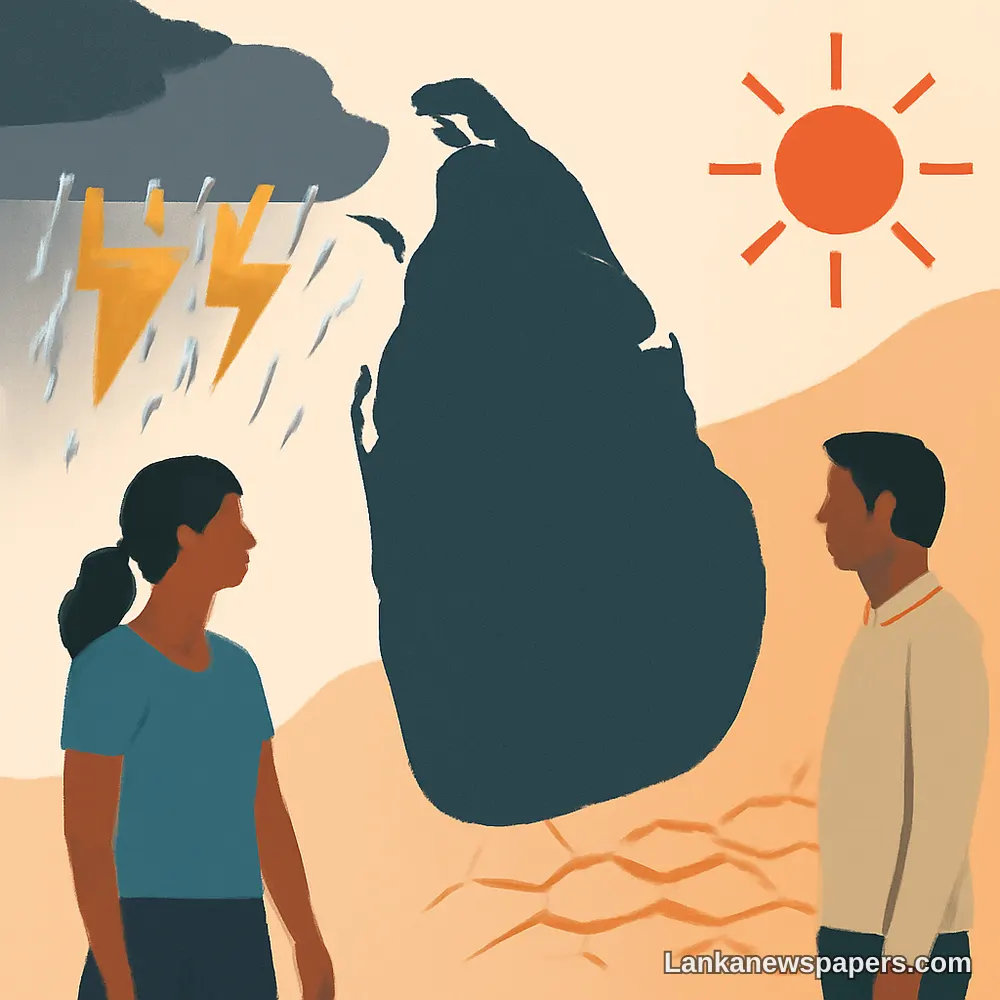
Climate and meteorological experts are urging Sri Lanka to take proactive measures to prepare for potential weather disruptions linked to the El Niño phenomenon, warning that the island nation could face significant environmental and humanitarian consequences if adequate precautions are not put in place.
What is El Niño and Why Does It Matter for Sri Lanka?
El Niño is a naturally occurring climate pattern characterised by the warming of surface waters in the central and eastern tropical Pacific Ocean. This periodic shift in ocean temperatures can trigger wide-ranging weather anomalies across the globe, including droughts, irregular rainfall, and extreme heat events — all of which carry serious implications for a country like Sri Lanka that relies heavily on agriculture and seasonal monsoon patterns.
Experts have noted that Sri Lanka's vulnerability to such climate shifts is particularly high, given its dependence on consistent rainfall for both farming and hydropower generation. Any significant deviation from normal weather patterns could place enormous pressure on the country's water resources, food security, and energy supply.
Key Concerns Raised by Specialists
- Potential reduction in monsoon rainfall leading to drought conditions in key agricultural regions
- Increased risk of crop failures affecting rice and other staple food production
- Strain on hydropower reservoirs, which are critical to Sri Lanka's electricity generation
- Heightened possibility of heatwaves affecting public health, particularly among vulnerable communities
- Disruption to the livelihoods of fishing communities due to shifting ocean conditions
A Call for Early Action
Specialists are emphasising that early preparedness is far more effective and cost-efficient than responding to disasters after they occur. Authorities have been encouraged to review and strengthen existing early warning systems, ensure emergency water storage mechanisms are in place, and coordinate with agricultural departments to advise farmers on adaptive farming practices.
Proactive planning and inter-agency coordination are essential if Sri Lanka is to minimise the impact of El Niño-related weather risks on its population and economy.
Disaster management officials and relevant government ministries have been called upon to work in close collaboration with meteorological institutions to monitor developing climate conditions and issue timely public advisories.
Lessons from the Past
Sri Lanka has experienced the consequences of El Niño-influenced weather patterns in previous cycles, with certain periods marked by severe droughts that devastated agricultural output and strained water supplies across multiple provinces. Experts stress that the country cannot afford to be caught off guard again, and that climate adaptation must be treated as a national priority rather than an afterthought.
As global climate change continues to amplify the intensity of weather events, the intersection of El Niño with longer-term warming trends could make future episodes even more challenging to manage. Citizens, communities, and institutions alike are being urged to stay informed and support preparedness efforts at every level.



💬 Join the Discussion 0
Be the first to share your view on this story.