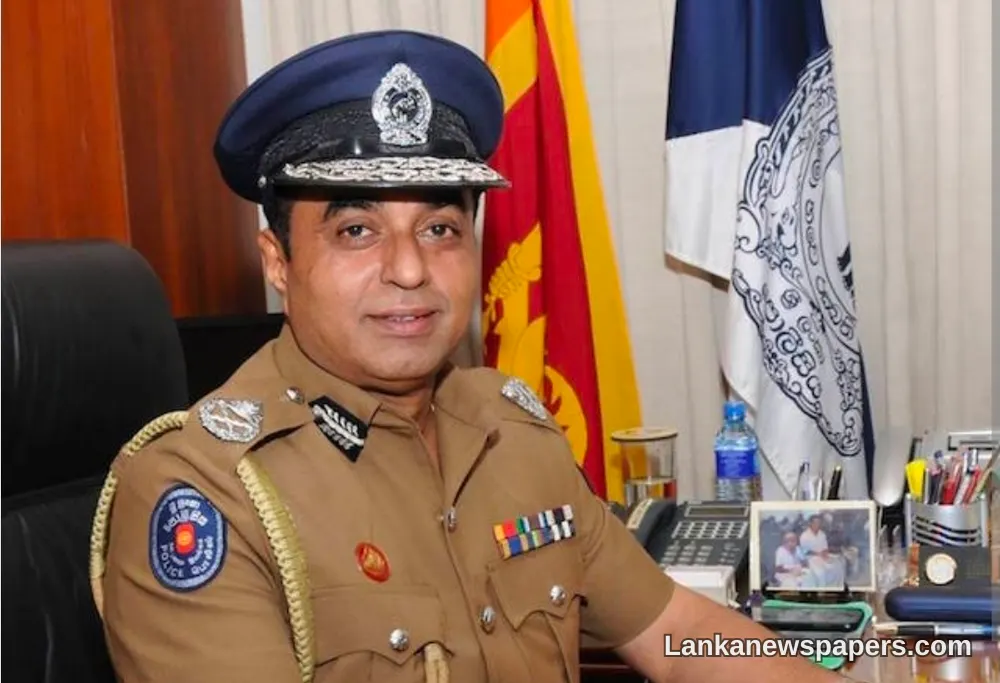
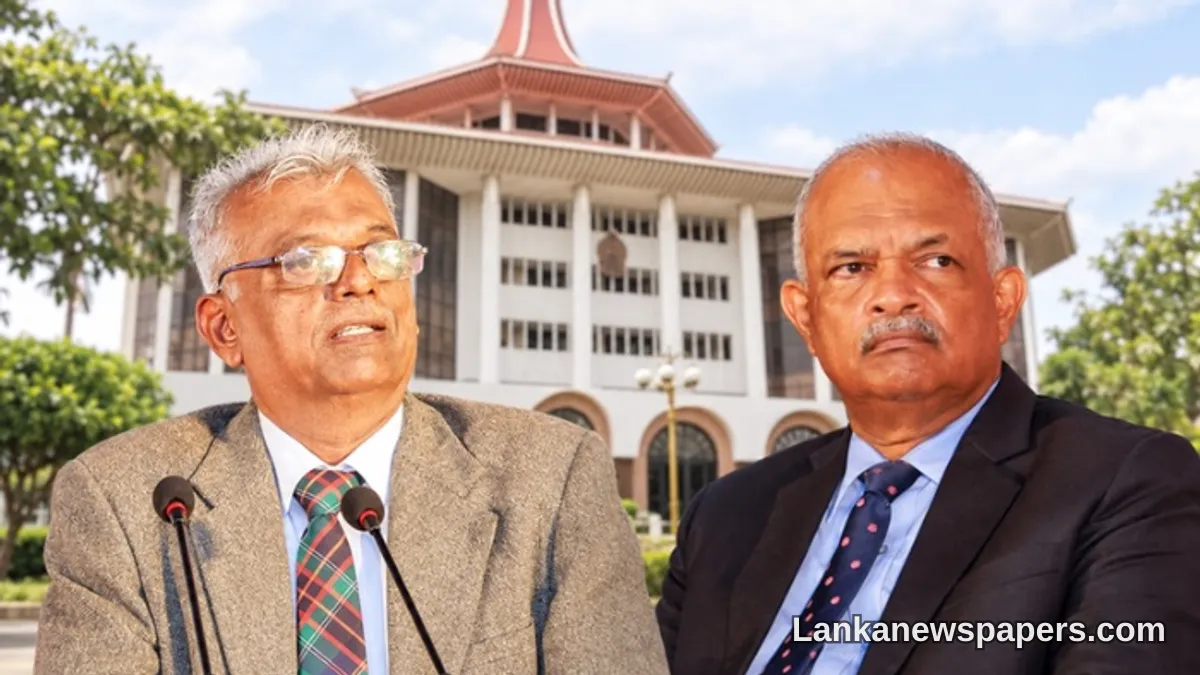
Former Inspector General of Police Pujith Jayasundara has been sentenced to death following a majority ruling by a three-judge bench, in a landmark verdict that marks a significant moment of accountability for one of Sri Lanka's most devastating terrorist attacks.
A Verdict Years in the Making
The judgment, delivered by a panel of three judges, found Jayasundara guilty in connection with the catastrophic Easter Sunday bombings of April 21, 2019, which claimed the lives of nearly 270 people and left hundreds more injured in coordinated attacks targeting churches and luxury hotels across the island.
The former top police official, who held the country's highest law enforcement position at the time of the attacks, had been accused of failing to act on credible intelligence warnings received prior to the bombings. Prosecutors argued that his inaction and alleged negligence directly contributed to the loss of innocent lives.
Accountability at the Highest Levels
The sentencing of a former IGP to death is virtually unprecedented in Sri Lanka's legal history and sends a powerful message that no individual, regardless of rank or position, is above the law. The case drew widespread public attention and became a focal point for survivors and victims' families who had long demanded justice.
Jayasundara had previously been arrested and held in custody as investigations into the intelligence failures surrounding the Easter Sunday attacks unfolded. His trial attracted considerable scrutiny both locally and internationally, given his seniority within the state apparatus at the time of the tragedy.
Families of Victims Await Closure
For the hundreds of families who lost loved ones in the bombings, the verdict represents a hard-fought step toward justice. The Easter Sunday attacks, carried out by local Islamist extremists with alleged international links, remain the deadliest act of terrorism in Sri Lanka's post-civil war history.
The majority decision of the bench underscores the gravity with which the judiciary has treated the case, reflecting the enormous scale of the tragedy and the weight of responsibility that senior officials carry in safeguarding public safety.
It is expected that the verdict will be subject to an appeals process, as is standard in capital punishment cases under Sri Lankan law. The country has maintained a moratorium on executions for several decades, meaning the practical application of the death penalty remains a matter of ongoing legal and political debate.


💬 Join the Discussion 4
See what readers are saying — and add your view.
cant believe it took this long honestly. whole system failed those ppl.
what about the politicians who ignored the warnings? they walking free no?
finally some justice for the 269 victims. long overdue.
but will it actually be carried out or just sit on appeal for 20 years