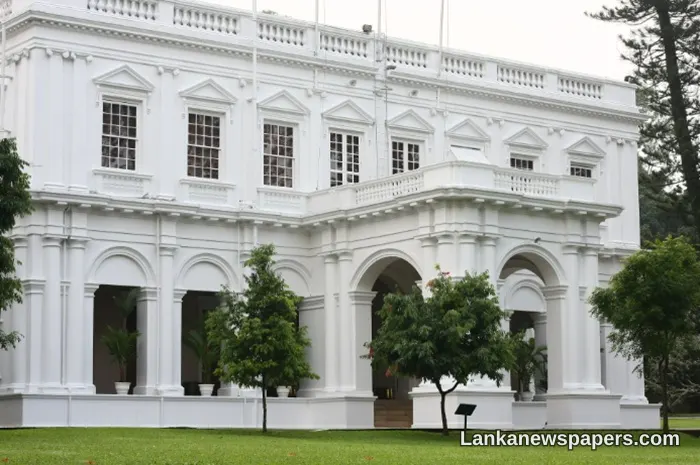
Sri Lanka's Cabinet of Ministers has given the green light to a proposal put forward by President Anura Kumara Dissanayake to lease five Presidential Residences to the tourism sector on long-term agreements, in a move aimed at unlocking the economic potential of state-owned properties that have long remained underutilised.
A Bold Step Towards Monetising State Assets
The cabinet approval marks a significant policy shift in how Sri Lanka manages its prestigious official residences. Rather than allowing these properties to sit idle at considerable cost to the public purse, the government intends to bring them into productive use by opening them up to tourism-oriented enterprises under long-term lease arrangements.
The proposal, championed personally by President Dissanayake, reflects the administration's broader ambition to generate revenue from state assets while simultaneously boosting the country's tourism industry, which remains a key pillar of Sri Lanka's economic recovery.
What This Means for Sri Lanka's Tourism Sector
The Presidential Residences in question are widely regarded as architecturally and historically significant properties. Their conversion into tourism-linked ventures could present unique opportunities for high-end hospitality development, heritage tourism, and cultural experiences that appeal to both international visitors and domestic travellers.
- Five Presidential Residences have been earmarked for long-term tourism leases.
- The cabinet has formally approved the proposal tabled by President Dissanayake.
- The initiative is designed to generate sustainable revenue from currently underused state properties.
- Long-term lease structures are intended to attract serious investors capable of developing the sites responsibly.
Government's Wider Asset Optimisation Drive
This decision forms part of a wider effort by the Dissanayake administration to rationalise the use of government-owned assets across the island. Officials have repeatedly stressed the need to reduce the financial burden of maintaining large state properties while simultaneously stimulating private sector participation in tourism infrastructure development.
The leasing of Presidential Residences signals a pragmatic approach to state asset management, blending economic necessity with an opportunity to elevate Sri Lanka's appeal as a premium tourism destination.
Further details regarding the specific residences involved, lease durations, and the tender process are expected to be announced by the relevant authorities in due course. The development has already drawn considerable attention from industry stakeholders who see it as a potential landmark moment for Sri Lanka's luxury and heritage tourism segments.

💬 Join the Discussion 2
See what readers are saying — and add your view.
Finally some practical thinking, these places were just wasting money sitting empty
wasting money? who is going to maintain them properly, think about security also