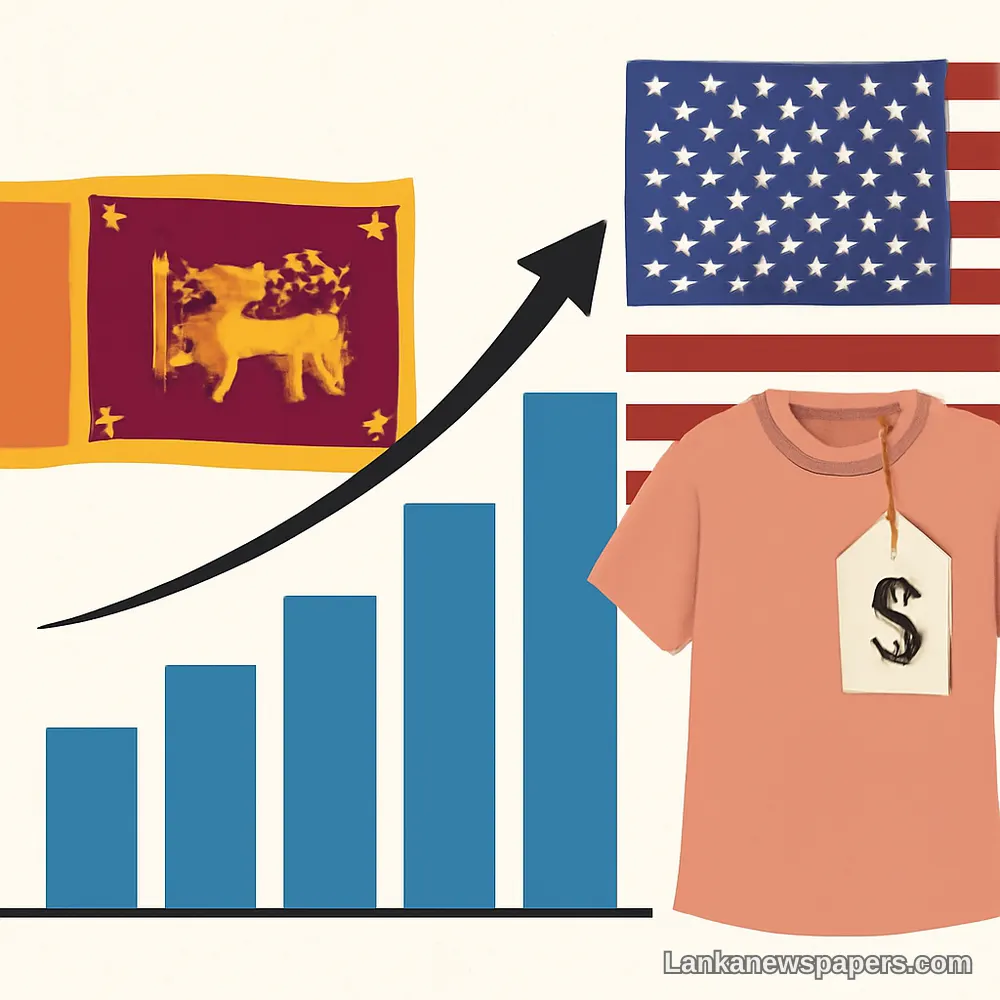
Sri Lanka's apparel industry is maintaining its competitive standing in the United States market, as the island nation continues to benefit from a 10% tariff rate on its garment and textile exports — a figure that positions it favourably against several regional rivals vying for a share of the lucrative American retail sector.
A Strategic Advantage in a Crowded Market
The 10% tariff rate applied to Sri Lankan apparel entering the United States provides local manufacturers and exporters with a meaningful edge at a time when global trade dynamics are shifting rapidly. With competing nations facing higher tariff burdens, Sri Lanka's relatively lower rate makes its products more attractively priced for American buyers and retail giants sourcing from South and Southeast Asia.
The apparel and textile sector remains one of Sri Lanka's most vital export industries, consistently ranking among the country's top foreign exchange earners. Garment exports to the United States represent a significant portion of that revenue, making the preservation of competitive tariff conditions a matter of national economic importance.
Industry Significance
Sri Lanka's textile and apparel sector employs hundreds of thousands of workers across the country, with a large proportion being women from rural communities. The health of this industry therefore carries deep social and economic implications beyond mere trade statistics.
- The US remains one of Sri Lanka's largest export destinations for apparel
- A 10% tariff rate keeps Sri Lankan goods price-competitive on American shelves
- Regional competitors facing steeper tariffs may redirect orders to Sri Lankan manufacturers
- The sector is a cornerstone of Sri Lanka's foreign exchange generation
Broader Trade Context
The global apparel sourcing landscape has grown increasingly complex in recent years, shaped by geopolitical tensions, shifting trade policies, and post-pandemic supply chain restructuring. Against this backdrop, Sri Lanka's stable tariff position offers both local exporters and international buyers a degree of certainty that is difficult to find elsewhere in the region.
Sri Lanka's ability to retain a competitive tariff structure with the United States underscores the importance of proactive trade diplomacy and the enduring strength of the country's garment manufacturing reputation.
Industry stakeholders and policymakers will be watching closely to ensure that this advantage is not only preserved but leveraged to attract new orders and long-term sourcing partnerships from American brands seeking reliable, ethically produced garments from trusted supplier nations.
As Sri Lanka continues its broader economic recovery, the apparel sector's competitiveness in key markets such as the United States will play a pivotal role in stabilising export revenues and supporting employment across the country.



💬 Join the Discussion 2
See what readers are saying — and add your view.
Finally some good news. Garment sector workers can breathe a bit.
Yes but will the workers actually see any benefit or just the factory owners?