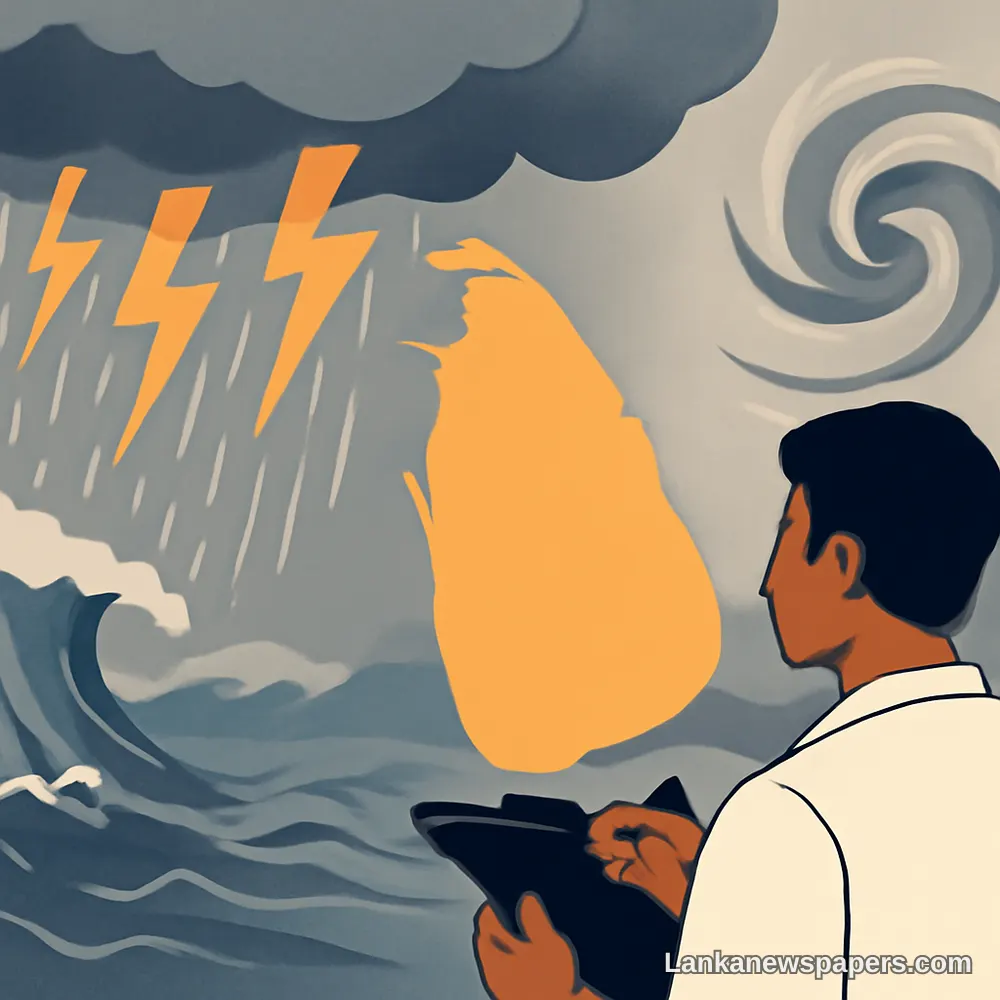
A Major Climate Event on the Horizon
Climate scientists and meteorologists are raising alarm bells over the anticipated arrival of a powerful Super El Niño weather phenomenon expected to intensify between 2026 and 2027, with Sri Lanka potentially facing severe consequences ranging from prolonged droughts to devastating floods.
What Is a Super El Niño?
El Niño is a naturally occurring climate pattern characterised by the unusual warming of surface waters in the central and eastern tropical Pacific Ocean. When this warming is exceptionally strong, it is classified as a Super El Niño — an event capable of triggering extreme and often unpredictable weather across the globe. The last major El Niño event caused widespread disruption to agriculture, water supplies, and ecosystems in many parts of Asia, and experts warn the next cycle could be even more intense.
Sri Lanka's Dual Threat
For Sri Lanka, the concern is particularly acute given the island's vulnerability to both ends of the extreme weather spectrum. Historically, El Niño events have brought irregular rainfall patterns to the South Asian region, creating conditions that can simultaneously cause prolonged dry spells in certain areas while triggering intense, concentrated rainfall and flooding in others.
- Northern and Eastern provinces may face reduced rainfall and acute drought conditions affecting farming communities.
- South-western and central regions could experience intense downpours leading to flash floods and landslides.
- Reservoir levels and hydropower generation capacity are expected to be significantly affected.
- Agriculture, particularly rice cultivation and tea production, faces serious risk of disruption.
Impact on Food Security and the Economy
Sri Lanka's agricultural sector, which remains a cornerstone of the rural economy and national food security, stands among the most exposed to the projected climate variability. Irregular monsoon patterns driven by a Super El Niño could reduce crop yields, spike food prices, and intensify water scarcity in already stressed regions of the country.
Climate experts emphasise that preparation and early warning systems will be critical in minimising the human and economic cost of the anticipated event.
The Call for Early Preparedness
Meteorologists and disaster management authorities are urging the government and relevant institutions to begin contingency planning well in advance. This includes reinforcing early warning infrastructure, improving water storage and management systems, and educating farming communities on adaptive agricultural practices suited to unpredictable weather conditions.
Sri Lanka's Department of Meteorology is expected to work in coordination with regional and international climate monitoring bodies to track the development of the El Niño cycle and provide timely advisories to the public and policymakers.
A Moment for Climate Resilience
With the window of preparation narrowing, climate experts stress that Sri Lanka must treat the approaching Super El Niño not merely as a weather event but as a stress test for the nation's broader climate resilience. Investment in sustainable water management, reforestation, and disaster-ready infrastructure will be essential if the country is to weather the storm — literally and economically — in the years ahead.



💬 Join the Discussion 3
See what readers are saying — and add your view.
scientists said same thing before 2023 also, half the predictions wrong
goverment will wait till floods come then act surprised as usual
every single time no, same drama