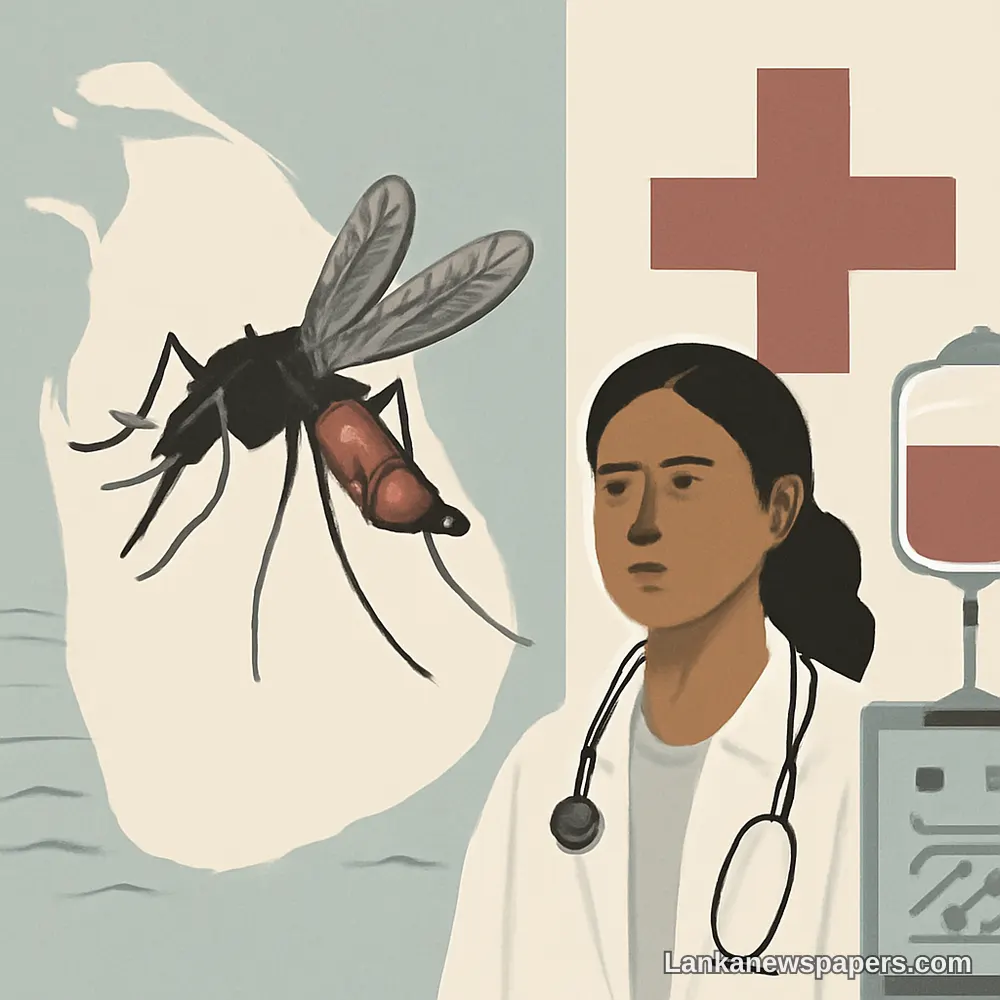
A Public Health Emergency Takes Hold
Sri Lanka is grappling with its most severe dengue outbreak in a decade, raising urgent alarm among health authorities and communities across the island as case numbers continue to climb at a troubling pace.
Scale of the Crisis
The surge in dengue infections has placed enormous pressure on the country's healthcare system, with hospitals in multiple provinces reporting a sharp rise in patients presenting with symptoms of the mosquito-borne illness. Health officials have described the situation as one of the most serious public health emergencies the country has faced in recent years.
The outbreak is being driven by a combination of factors, including seasonal rainfall that has created widespread breeding grounds for the Aedes aegypti mosquito, the primary vector responsible for transmitting the dengue virus.
Vulnerable Communities at Risk
Children and elderly residents are among the most vulnerable groups being affected, with medical professionals urging families to seek immediate treatment at the first sign of high fever, severe headaches, joint pain, or skin rashes — all hallmark symptoms of dengue fever.
What Authorities Are Saying
Health authorities have called on the public to eliminate stagnant water sources around their homes and to take all necessary precautions to reduce mosquito exposure, warning that swift community action is essential to containing the spread.
Prevention Measures Urged
The Ministry of Health has intensified fumigation campaigns across high-risk areas and is working alongside local government bodies to inspect and clear potential mosquito breeding sites. Members of the public are being advised to take the following precautions:
- Remove or cover any containers that collect standing water around the home
- Use mosquito repellents and wear protective clothing, especially during dawn and dusk
- Ensure window and door screens are intact and in good condition
- Seek medical attention promptly if dengue symptoms appear
A Nationwide Concern
With the outbreak showing no immediate signs of slowing, Sri Lanka's public health authorities face a critical window in which coordinated action — from government agencies, local communities, and individuals alike — will be vital to preventing further loss of life and reducing the burden on an already stretched medical infrastructure.


💬 Join the Discussion 1
See what readers are saying — and add your view.
every year same thing. goverment does nothing until ppl start dying.