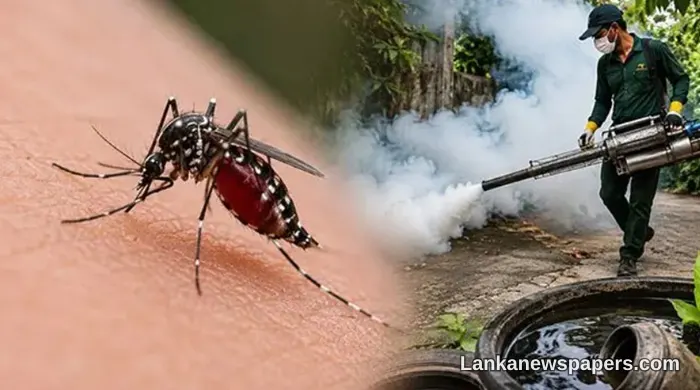
Sri Lanka is grappling with a worsening dengue outbreak, with the National Dengue Control Unit (NDCU) confirming that the total number of reported cases across the country has surpassed 76,000 as of mid-July, raising serious public health concerns among authorities and medical professionals.
A Rapidly Escalating Health Emergency
The figure of 76,044 cases recorded by the NDCU underscores the alarming pace at which the mosquito-borne illness has spread throughout the island. Health officials have noted that the current trajectory places this year's outbreak among the more severe in recent memory, with communities in multiple provinces bearing the brunt of the surge.
Dengue fever, transmitted through the bite of the Aedes aegypti mosquito, thrives in warm, humid conditions and is particularly prevalent during and after periods of heavy rainfall. Sri Lanka's monsoon seasons have long been associated with spikes in dengue transmission, as stagnant water in and around homes and public spaces provides ideal breeding grounds for the mosquito.
Vulnerable Communities at Greatest Risk
Health authorities have urged residents, particularly those in densely populated urban areas and flood-prone regions, to take immediate preventive action. Key measures recommended by the NDCU include:
- Eliminating standing water around homes, including in flower pots, tyres, and water storage containers
- Using mosquito repellents and wearing long-sleeved clothing, especially during dawn and dusk
- Installing window and door screens to prevent mosquito entry
- Seeking prompt medical attention upon experiencing symptoms such as high fever, severe headache, joint pain, or skin rashes
Pressure on the Healthcare System
The surge in cases has placed considerable strain on hospitals and medical facilities across Sri Lanka, with wards in several districts reporting increased admissions of dengue patients. Medical staff have been working to manage the influx while ensuring that severe cases, including those presenting with dengue haemorrhagic fever, receive timely and adequate care.
Health officials have repeatedly emphasised that early detection and treatment remain the most effective tools in reducing dengue-related fatalities.
The NDCU, operating under the Ministry of Health, has been coordinating awareness campaigns and field inspection drives in high-risk areas to identify and destroy mosquito breeding sites. Local government bodies have also been called upon to step up fumigation efforts and community-level education programmes.
A Call for Collective Responsibility
Public health experts stress that combating dengue is not solely the responsibility of government agencies. Community participation plays a critical role in curbing the spread of the disease, and every household has a part to play in keeping its surroundings clean and free of potential breeding sites.
As Sri Lanka moves further into the monsoon period, health authorities are urging the public to remain vigilant and to treat dengue prevention as a shared national priority. With cases already exceeding 76,000, swift and sustained collective action will be essential in preventing further escalation of what has become one of the country's most pressing public health challenges this year.


💬 Join the Discussion 2
See what readers are saying — and add your view.
goverment been saying they will clean drains for years, nothing changes
exactly, my whole street flooded last week still no one came