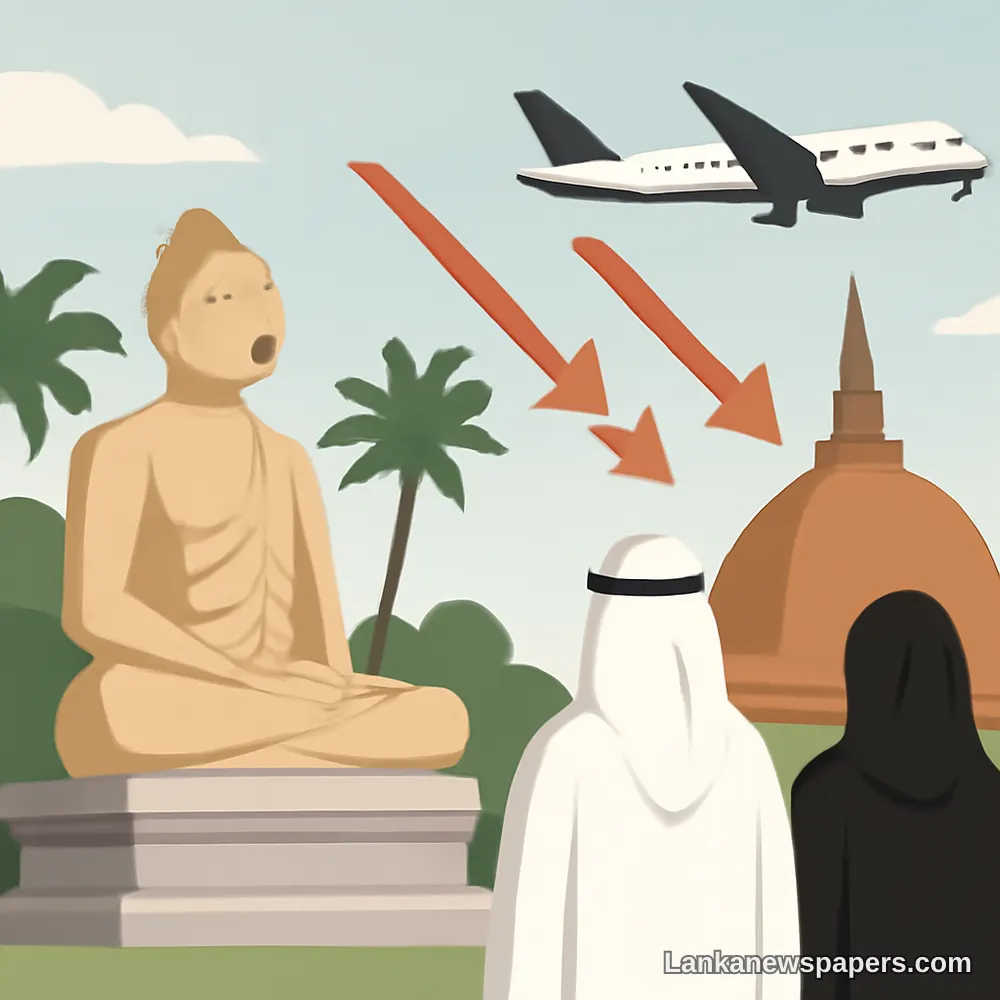
Sri Lanka's tourism industry is navigating a difficult period as two simultaneous pressures threaten to derail the sector's post-pandemic recovery, with a notable drop in visitor arrivals from Gulf countries adding to existing concerns.
A Sector Under Strain
The island's tourism trade, which has been working hard to rebuild momentum following years of economic turbulence and the aftermath of the Easter Sunday attacks, is now contending with a fresh set of challenges. Industry stakeholders have described the situation as a twin shock, with multiple headwinds converging at a critical time for the sector.
Gulf region traffic, which has grown to represent a meaningful share of Sri Lanka's inbound tourism market, has shown signs of faltering. Travellers from countries across the Gulf Cooperation Council have historically been valued visitors due to their relatively high spending patterns and preference for leisure and wellness tourism — areas where Sri Lanka has invested considerably in recent years.
Implications for Revenue and Recovery
A slowdown in arrivals from the Gulf carries significant implications for foreign exchange earnings at a time when Sri Lanka continues to manage a fragile economic recovery. Tourism remains one of the country's primary sources of hard currency, and any sustained decline in high-value visitor segments could place additional pressure on revenue projections set by the government and industry bodies.
The dual nature of the challenges facing the sector suggests that stakeholders cannot rely on growth in one market to offset losses in another, making strategic diversification and targeted promotional campaigns increasingly urgent.
Calls for Immediate Action
Tourism industry representatives have called on the government and the Sri Lanka Tourism Promotion Bureau to respond swiftly with measures that could help stabilise arrivals and shore up confidence among international travel operators. Suggested priorities include:
- Strengthening air connectivity with key source markets
- Enhancing visa facilitation processes for Gulf travellers
- Launching targeted marketing campaigns in underperforming regions
- Supporting tourism businesses facing reduced bookings and occupancy rates
Broader Context
Sri Lanka has been working to position itself as a premium destination across multiple segments, including eco-tourism, cultural heritage travel, and wellness retreats. However, global economic uncertainties, regional geopolitical tensions, and shifting travel preferences continue to create an unpredictable operating environment for the industry.
The resilience of Sri Lanka's tourism sector will depend on how quickly authorities and industry leaders can adapt to changing market dynamics and address structural vulnerabilities before the situation deepens.
With the peak tourism season on the horizon, the coming months will be closely watched by operators, investors, and policymakers alike as a test of the industry's ability to weather compounding pressures and sustain its recovery trajectory.


💬 Join the Discussion 0
Be the first to share your view on this story.