Rare Earth, Real Danger: How Sri Lanka's Debt Crisis Is Making It a Pawn in the Global Minerals Race
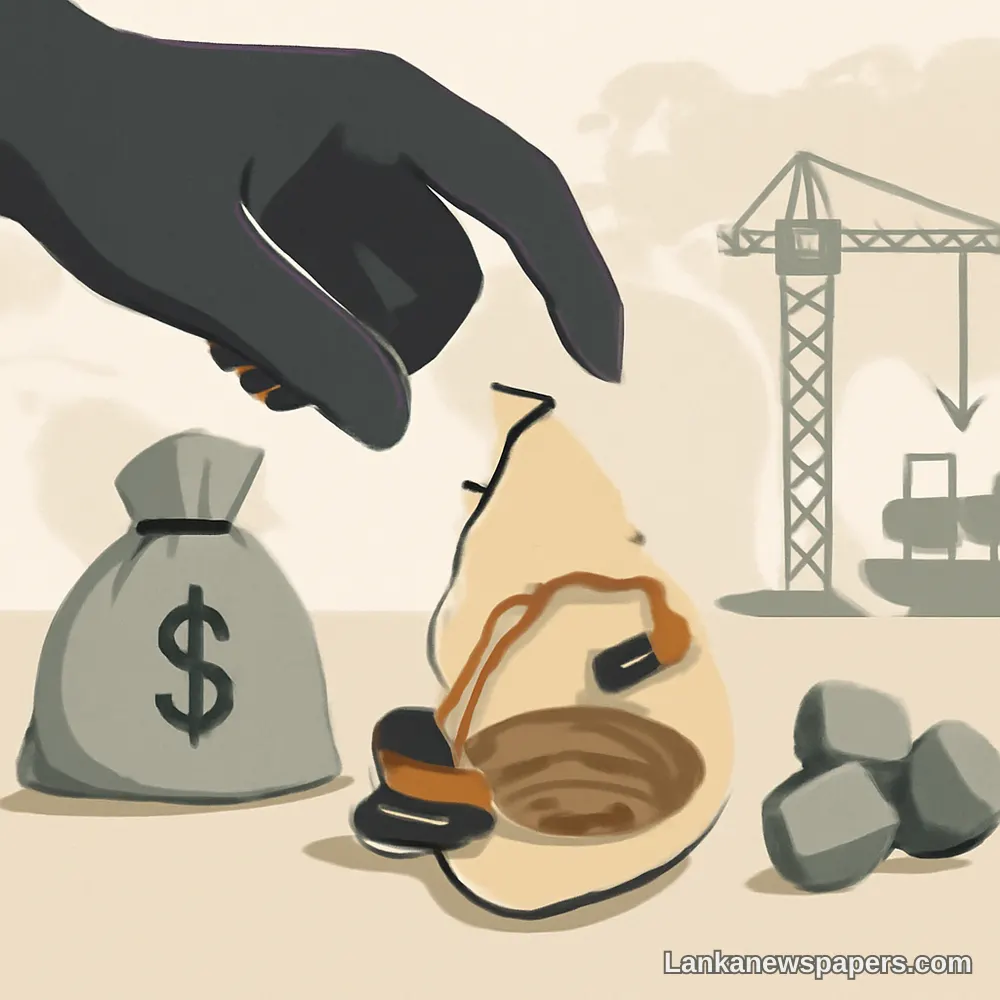
Sri Lanka's vast reserves of rare earth minerals, long buried beneath its soil and largely untapped, are fast becoming the centrepiece of a dangerous geopolitical contest — one in which the island nation risks trading long-term sovereignty over its natural wealth for short-term financial relief.
A Nation Rich in Resources, Trapped by Debt
Sri Lanka sits atop deposits of rare earth elements that are increasingly vital to the global green energy transition and modern defence technologies. These minerals, used in everything from electric vehicle batteries to missile guidance systems, have made the island an attractive target for major powers seeking to secure supply chains far from their competitors' reach.
Yet rather than negotiating from a position of strength, Sri Lanka finds itself approaching these conversations from a posture of acute vulnerability. Years of economic mismanagement, compounded by the catastrophic 2022 foreign exchange crisis, have left the country deeply indebted and desperately in need of investment. That desperation, analysts warn, is precisely what makes the current moment so perilous.
Geopolitical Heavyweights Circle the Island
Both Eastern and Western powers have been quietly intensifying their interest in Sri Lanka's mineral sector. China, which already dominates global rare earth processing and has deep financial ties to Colombo through its Belt and Road investments, is one significant player. Western nations — led by the United States and its allies — are equally eager to counter Chinese influence by drawing resource-rich nations into their own supply chains.
For Sri Lanka, caught between these competing blocs, every agreement signed carries implications far beyond economics. Concessions granted to one power bloc risk antagonising the other, while the terms offered to a debt-distressed borrower are rarely as generous as those available to a financially stable sovereign state.
The Risk of Locking In Unfavourable Terms
Experts monitoring Sri Lanka's economic recovery have raised serious concerns about the pace and transparency of negotiations surrounding the country's mineral assets. There is a well-documented pattern globally — sometimes referred to as "resource diplomacy" — whereby heavily indebted nations, under pressure to attract foreign capital, agree to long-term extraction deals that deliver limited benefit to the host country and its population.
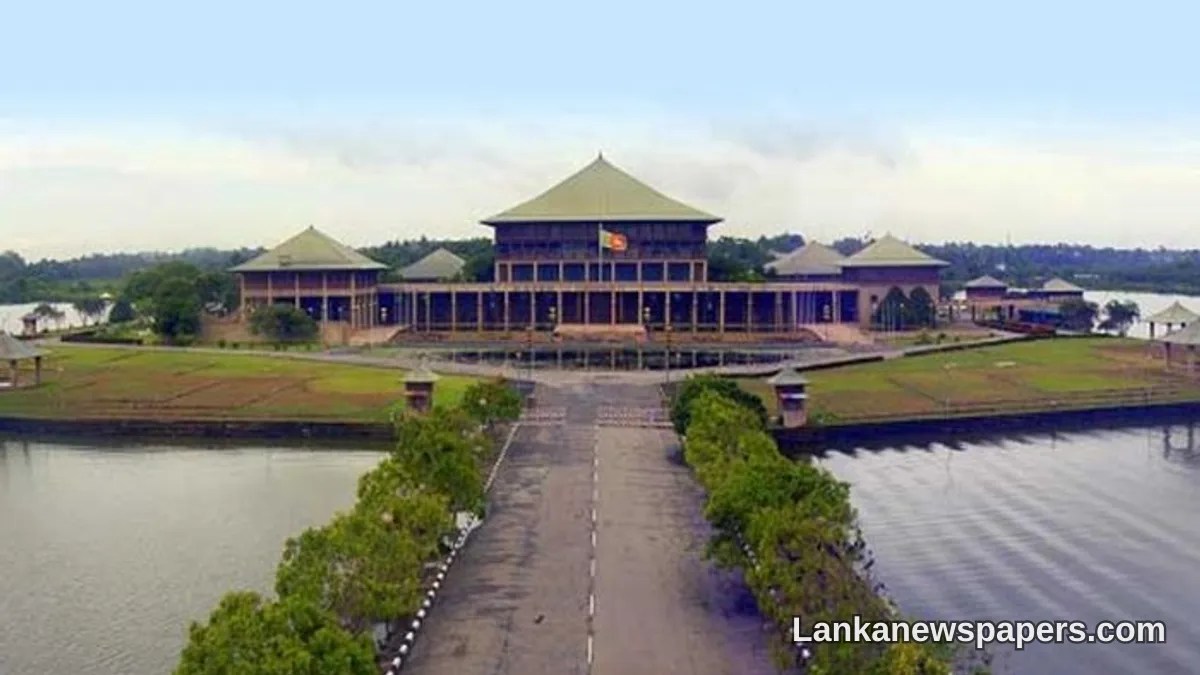
Sri Lanka's regulatory frameworks governing mineral extraction and foreign investment in strategic resources remain underdeveloped relative to the scale of interest now being shown. Without robust legal protections, transparent tendering processes, and strong parliamentary oversight, there is a real risk that agreements struck today will constrain the country's options for decades to come.
What Sri Lanka Stands to Lose
The stakes are considerable. Rare earth elements command significant and growing value on international markets. Countries that have successfully leveraged their mineral wealth — through careful, sovereign-led development strategies — have used resource revenues to fund education, infrastructure, and broader industrialisation.
Sri Lanka, by contrast, risks finding itself in a position where the bulk of the value created from its own natural resources flows offshore, leaving behind environmental degradation and communities that see little economic benefit.
The concern among policy analysts is not that Sri Lanka should refuse foreign investment in its mineral sector, but that it should negotiate with far greater care, transparency, and long-term strategic thinking than the current climate of financial urgency appears to allow.
A Call for Caution and Sovereign Strategy
Sri Lanka's leadership faces an unenviable balancing act. The country genuinely needs investment and cannot afford to reject foreign interest in its economy. At the same time, rare earth minerals represent a generational asset — one that, if properly managed, could underpin the country's prosperity for decades.
Civil society groups, economists, and legal experts have increasingly called for the following safeguards before any major mineral agreements are finalised:
- Full parliamentary scrutiny and public disclosure of all mineral-related agreements with foreign entities
- Independent environmental and social impact assessments prior to extraction approvals
- Provisions ensuring that a meaningful share of revenues and value-added processing remains within Sri Lanka
- Clear legal mechanisms to renegotiate terms should they prove disadvantageous over time
Sri Lanka's rare earth wealth is not going anywhere. The same cannot be said for the leverage the country currently possesses, however constrained it may be. How Colombo navigates this moment — with wisdom and strategic foresight, or under the weight of immediate financial pressure — will shape the island's economic destiny for generations.

💬 Join the Discussion 0
Be the first to share your view on this story.