Tamil Political Parties Push for New Constitution and Greater Regional Autonomy in Sri Lanka
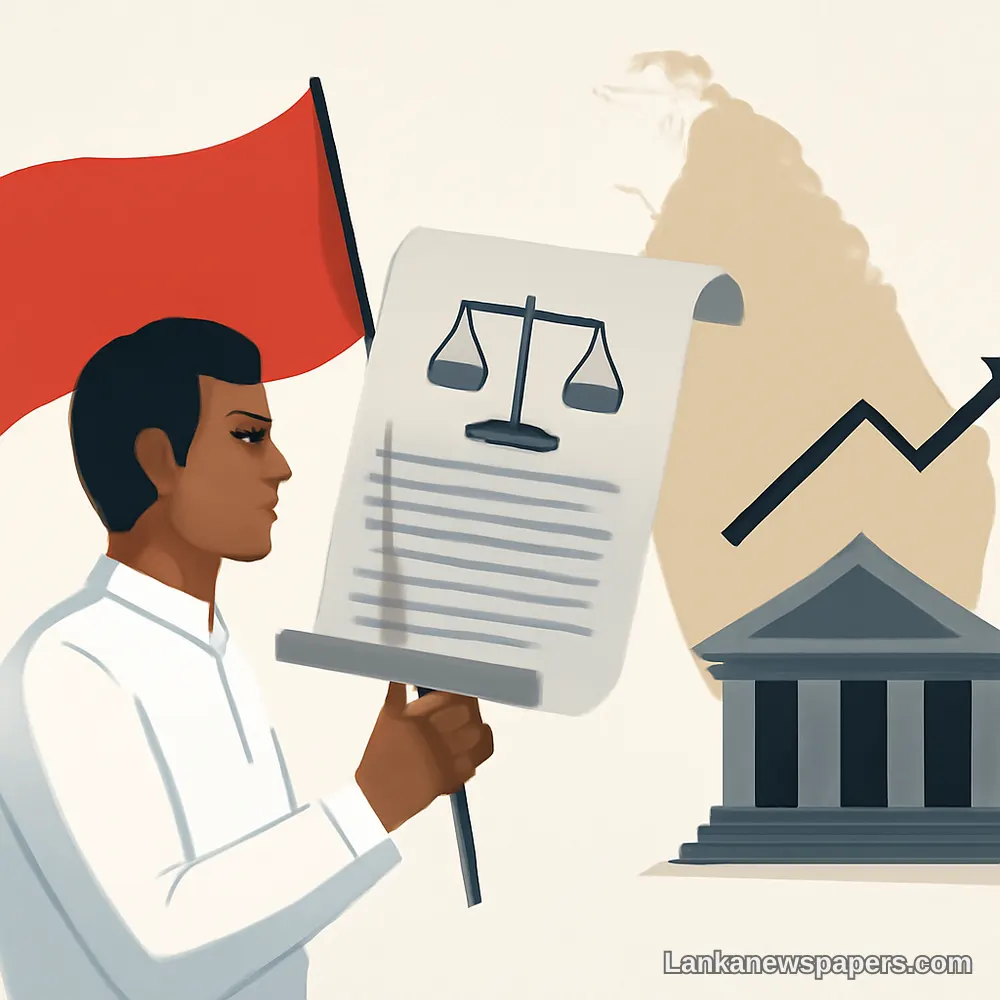
Tamil political parties in Sri Lanka have intensified their calls for greater autonomy, urging the current government to move decisively toward adopting a new constitution that addresses longstanding grievances of the Tamil community.
A Renewed Push for Political Reform
The demand comes as Tamil political leaders argue that the existing constitutional framework has failed to deliver meaningful power-sharing arrangements that adequately represent the interests of Tamil-speaking communities, particularly in the Northern and Eastern provinces.
Party representatives have stressed that any lasting political solution to Sri Lanka's ethnic question must be enshrined in a new constitution, rather than through piecemeal legislative amendments that have historically fallen short of expectations.
Key Demands from Tamil Leaders
- The drafting and adoption of a new national constitution that guarantees regional autonomy
- Meaningful devolution of political and administrative powers to Tamil-majority regions
- Constitutional recognition of the rights and identity of the Tamil community
- A transparent and inclusive process for constitutional reform involving all stakeholders
Political Context
These demands are not new to Sri Lanka's political landscape. Tamil parties have consistently advocated for greater self-governance since the end of the civil war in 2009, arguing that genuine reconciliation cannot be achieved without substantive political reform.
Tamil political leaders have maintained that a new constitutional framework is not merely a political aspiration but a fundamental necessity for lasting peace and national unity in Sri Lanka.
The calls place renewed pressure on the government in Colombo to re-engage with constitutional reform discussions, a process that has stalled on multiple occasions over the past decade due to political resistance and competing national priorities.
Government Yet to Respond Formally
As of yet, the government has not issued a formal response to the latest round of demands. Political observers note that the administration faces a delicate balancing act — addressing Tamil aspirations while navigating sensitivities among Sinhalese nationalist groups who have historically opposed extensive devolution of power.
With Sri Lanka continuing its broader economic and political recovery, the question of constitutional reform and ethnic reconciliation remains one of the most consequential challenges facing the island nation's leadership.


💬 Join the Discussion 4
See what readers are saying — and add your view.
but how will this affect national unity? thats my concern
federal system is the only real solution, ppl need to accept this
same demand every few years, nothing new la
exactly, goverment wont listen anyway so whats the point