Sri Lanka's Construction Boom Hits a Wall: 10,000 Skilled Workers Urgently Needed
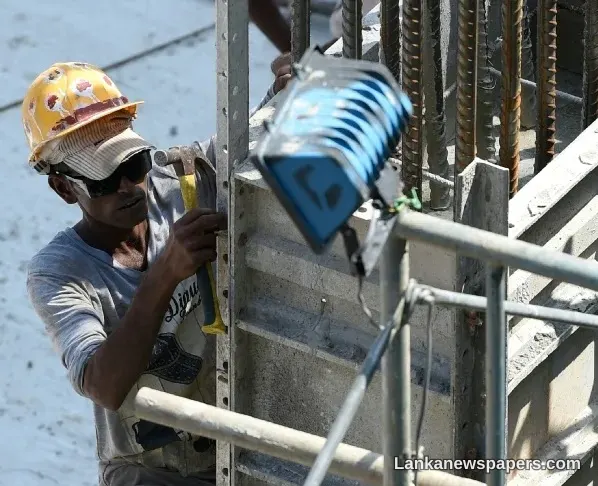
Sri Lanka's booming construction industry is facing a serious labour crisis, with the country falling significantly short of the skilled tradespeople needed to sustain its rapid growth. Authorities warn that as many as 10,000 trained workers — including electricians, welders, and other technical specialists — are urgently required to meet current demand.
A Widening Skills Gap
The shortage has become one of the most pressing challenges confronting the island's construction sector, which has been expanding at a considerable pace in recent years. Industry insiders say the deficit of qualified tradespeople is already causing delays on key projects and driving up labour costs across the board.
Electricians and welders are among the most critically needed professionals, with demand far outstripping the number of locally trained individuals entering the workforce. The gap is expected to widen further if immediate corrective measures are not put in place.
Overseas Recruitment on the Table
With domestic training institutions struggling to produce enough qualified graduates to fill the void, officials have indicated that recruiting skilled workers from abroad may become a necessary short-term solution. This would mark a notable shift for a country that has traditionally been a net exporter of labour to international markets.
Sri Lanka may have to look beyond its own borders to source the skilled manpower needed to keep pace with the construction sector's ambitious growth trajectory.
Long-Term Solutions Needed
Experts stress that while overseas recruitment may offer temporary relief, the country must invest more heavily in vocational education and technical training to build a sustainable local workforce. Key recommendations from industry stakeholders include:
- Expanding capacity at existing technical and vocational training institutes
- Introducing government-backed apprenticeship schemes in the construction trades
- Strengthening partnerships between the private sector and training institutions
- Offering competitive incentives to attract young Sri Lankans into skilled trades
The construction sector's growth has been driven in part by large-scale infrastructure development, housing projects, and post-economic recovery investment. However, without a sufficient skilled workforce to support it, industry leaders caution that the sector's momentum could stall.
The labour shortage also raises broader questions about Sri Lanka's workforce development strategy at a time when the country is working to rebuild its economy following a devastating financial crisis. Addressing the skills deficit is now seen as not merely an industry concern, but a matter of national economic priority.



💬 Join the Discussion 0
Be the first to share your view on this story.