Dengue Crisis Deepens in Sri Lanka as Cases Approach 70,000 and Death Toll Climbs to 48
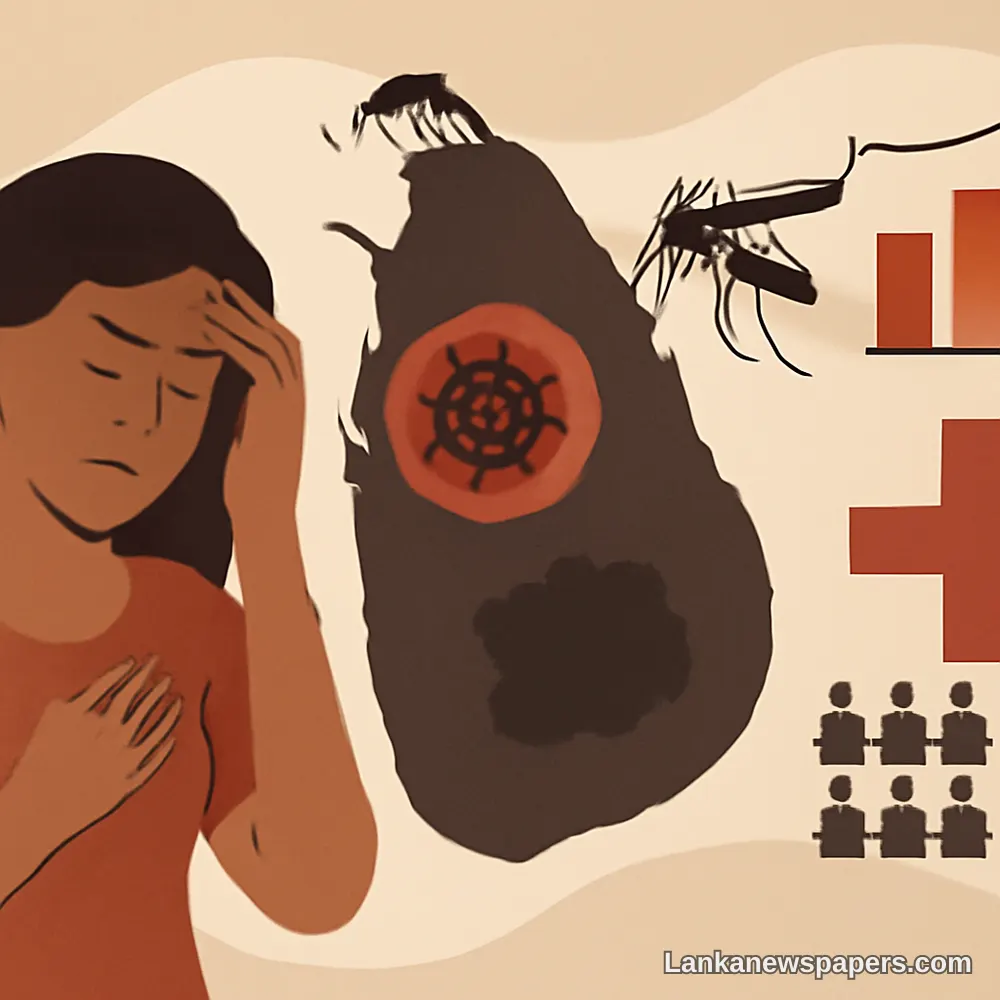
Island-wide dengue situation reaches alarming levels
Sri Lanka is facing a worsening dengue fever crisis, with the total number of reported cases approaching 70,000 across the island while the death toll has risen to 48, health authorities have confirmed.
The sharp increase in both infections and fatalities has raised serious public health concerns, prompting calls for urgent preventive action from communities, local authorities, and government health officials alike.
A nationwide threat demanding immediate attention
Dengue fever, transmitted through the bite of the Aedes aegypti mosquito, remains one of the most significant vector-borne public health challenges in Sri Lanka. The disease thrives particularly during periods of heavy rainfall, when stagnant water provides ideal breeding grounds for mosquitoes.
Health officials have urged the public to take immediate steps to eliminate potential mosquito breeding sites around their homes and workplaces. Key preventive measures include:
- Removing or emptying containers that collect stagnant water, including flowerpots, tyres, and buckets
- Ensuring water storage tanks and barrels are properly covered at all times
- Using mosquito repellents and wearing protective clothing, especially during peak mosquito activity hours
- Seeking prompt medical attention if symptoms such as high fever, severe headache, or body pain develop
Authorities on high alert
The Epidemiology Unit of the Ministry of Health continues to monitor the situation closely, with surveillance efforts intensified in high-risk districts reporting the largest concentrations of cases.
Early diagnosis and timely medical care remain critical in reducing dengue-related deaths, health officials have stressed.
Hospitals across the country have been placed on alert to manage the increasing patient load, and medical staff have been advised to remain vigilant in identifying and treating dengue cases without delay.
Members of the public are strongly encouraged to cooperate with local health inspectors conducting mosquito breeding site inspections, and to report potential hazards in their neighbourhoods to the relevant authorities without delay.



💬 Join the Discussion 2
See what readers are saying — and add your view.
70,000 cases and goverment still talking only. do something lah
exactly, every year same story, nothing changes