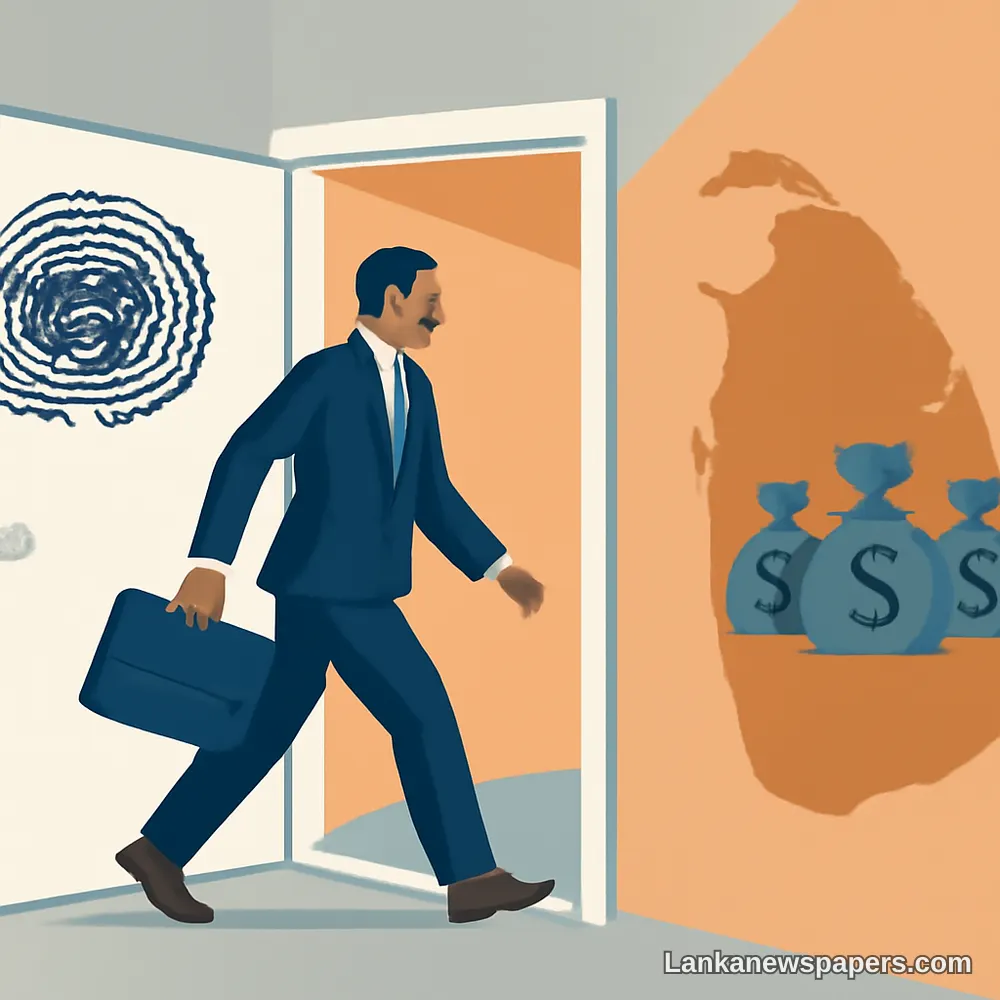
International Body Signals Support for Asset Recovery Efforts
Sri Lanka may have a credible pathway to reclaiming state assets that were illegally moved abroad, according to signals from the United Nations Office on Drugs and Crime (UNODC), which has indicated that the door remains open for the island nation to pursue such recoveries through established international frameworks.
What Asset Recovery Involves
Asset recovery refers to the legal process by which a government seeks to trace, freeze, and repatriate funds or property that were stolen or corruptly acquired and transferred overseas. For Sri Lanka, which endured a devastating economic crisis in 2022 partly attributed to years of financial mismanagement and alleged corruption, the prospect of recovering such assets carries significant public interest.
UNODC has underscored that international legal mechanisms exist to assist countries in pursuing these claims, and that Sri Lanka is not without options in this regard.
A Long Road Ahead
While the international community's willingness to engage is an encouraging sign, experts caution that asset recovery processes are notoriously complex and time-consuming. Successful repatriation typically requires robust domestic legal frameworks, strong bilateral cooperation between governments, and meticulous documentation of how assets were acquired and transferred.
- Sri Lanka must demonstrate credible domestic legal proceedings linked to the assets in question.
- Cooperation from the countries where assets are held is essential to any recovery effort.
- International bodies such as UNODC can provide technical assistance but cannot compel foreign jurisdictions to act.
Significance for Sri Lanka
For ordinary Sri Lankans who bore the brunt of fuel shortages, medicine scarcities, and soaring inflation during the economic crisis, the recovery of stolen public wealth would represent a measure of justice and financial relief. Civil society groups have long called on successive governments to take the matter seriously and invest in the legal and institutional capacity needed to pursue such cases.
The UNODC's position makes clear that the international framework is available to Sri Lanka — the question now is whether the political will exists at home to make full use of it.
As the country continues its recovery under an IMF programme, reclaiming even a portion of misappropriated assets could provide a meaningful boost to public finances and help restore confidence in governance institutions that were badly damaged during the crisis years.
💬 Join the Discussion 2
See what readers are saying — and add your view.
finally some hope but knowing our goverment they will mess this up too
exactly, how many years already we talking about Rajapaksa assets nothing happened