Sri Lanka's Economic Recovery: The Hidden Risks That Could Derail Progress Before 2028
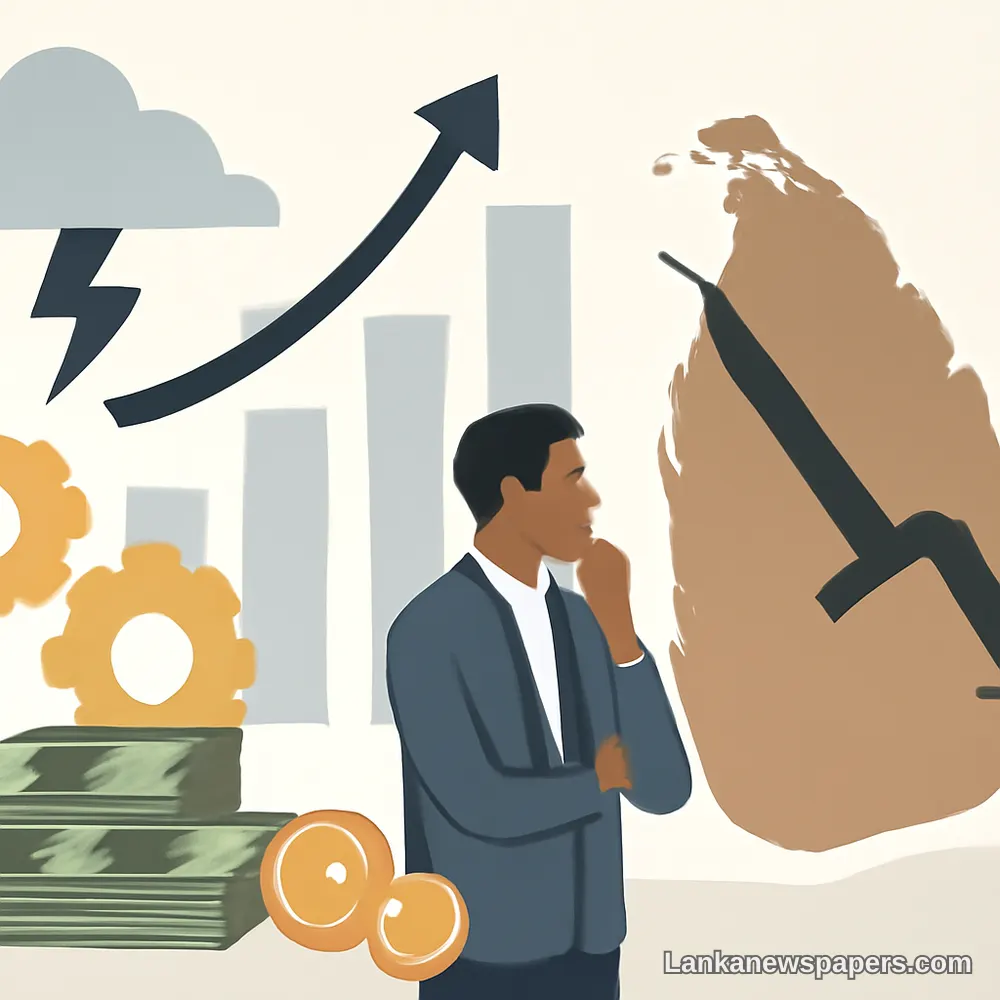
Sri Lanka has made remarkable strides in stabilising its battered economy following the catastrophic financial crisis of 2022, but economists and analysts are increasingly sounding the alarm over a series of vulnerabilities that could reverse those hard-won gains well before the end of the decade.
A Fragile Turnaround
The island nation's recovery has been widely acknowledged, with inflation brought under control, foreign reserves gradually rebuilt, and the International Monetary Fund's bailout programme providing a critical lifeline. The government has projected cautious optimism, pointing to improved fiscal indicators and a return to modest economic growth as evidence that the worst is behind the country.
However, beneath the surface of these encouraging figures lies a far more complicated picture — one that suggests Sri Lanka's path to sustainable recovery remains perilously narrow.
The Pressures Mounting Ahead of 2028
Several interconnected risks threaten to undermine the progress achieved over the past two years. Analysts point to the following as the most pressing concerns facing the Sri Lankan economy in the medium term:
- A heavy external debt repayment schedule that will begin to intensify as restructuring relief windows close
- Continued vulnerability to global commodity price shocks, particularly in fuel and food imports
- Sluggish structural reforms in state-owned enterprises, which continue to drain public finances
- Political pressures that may tempt future administrations to loosen fiscal discipline in the lead-up to electoral cycles
- Insufficient progress in broadening the country's export base and attracting sustained foreign direct investment
Debt Restructuring: Relief Now, Risk Later
A central concern among economists is the nature of Sri Lanka's debt restructuring agreements. While the deals struck with bilateral and commercial creditors have offered breathing room in the short term, the underlying debt burden has not been eliminated — it has largely been deferred. As repayment obligations begin to rise again toward 2027 and 2028, the country will need to demonstrate far stronger revenue generation capacity than it currently possesses.
Sri Lanka's recovery is real, but it is also reversible. The conditions that created the 2022 crisis — weak revenue, high debt, and a reluctance to reform — have not been fully addressed.
Political Will Remains the Decisive Factor
Perhaps the most unpredictable variable in Sri Lanka's economic trajectory is political. The IMF programme requires the government to maintain strict fiscal targets, reduce subsidies, and push through difficult structural changes — measures that are rarely popular with voters. With the political landscape remaining fluid following recent elections, the temptation to ease austerity in exchange for public approval poses a genuine threat to the country's credibility with international lenders.
Analysts note that previous Sri Lankan governments have historically abandoned reform programmes under political pressure, and there is no guarantee that the current administration will prove immune to similar dynamics as pressures mount.
What Must Be Done
For Sri Lanka to consolidate its recovery and avoid a repeat of the 2022 collapse, experts argue that several non-negotiable priorities must be pursued with consistency and urgency. These include strengthening tax revenue through a broader and fairer tax base, accelerating the restructuring or privatisation of loss-making state enterprises, investing in export-oriented industries and tourism infrastructure, and building foreign reserves to a level that provides genuine resilience against external shocks.
The coming years represent a critical window. Sri Lanka has earned a degree of international goodwill and financial support that may not be extended a second time if the country is seen to have squandered the opportunity for lasting reform. The road to 2028 is navigable — but it will require sustained political courage and economic discipline that have historically been in short supply.

💬 Join the Discussion 2
See what readers are saying — and add your view.
same story every year, goverment promises recovery then ppl suffer more
exactly, 2022 said temporary now 2025 still struggling no