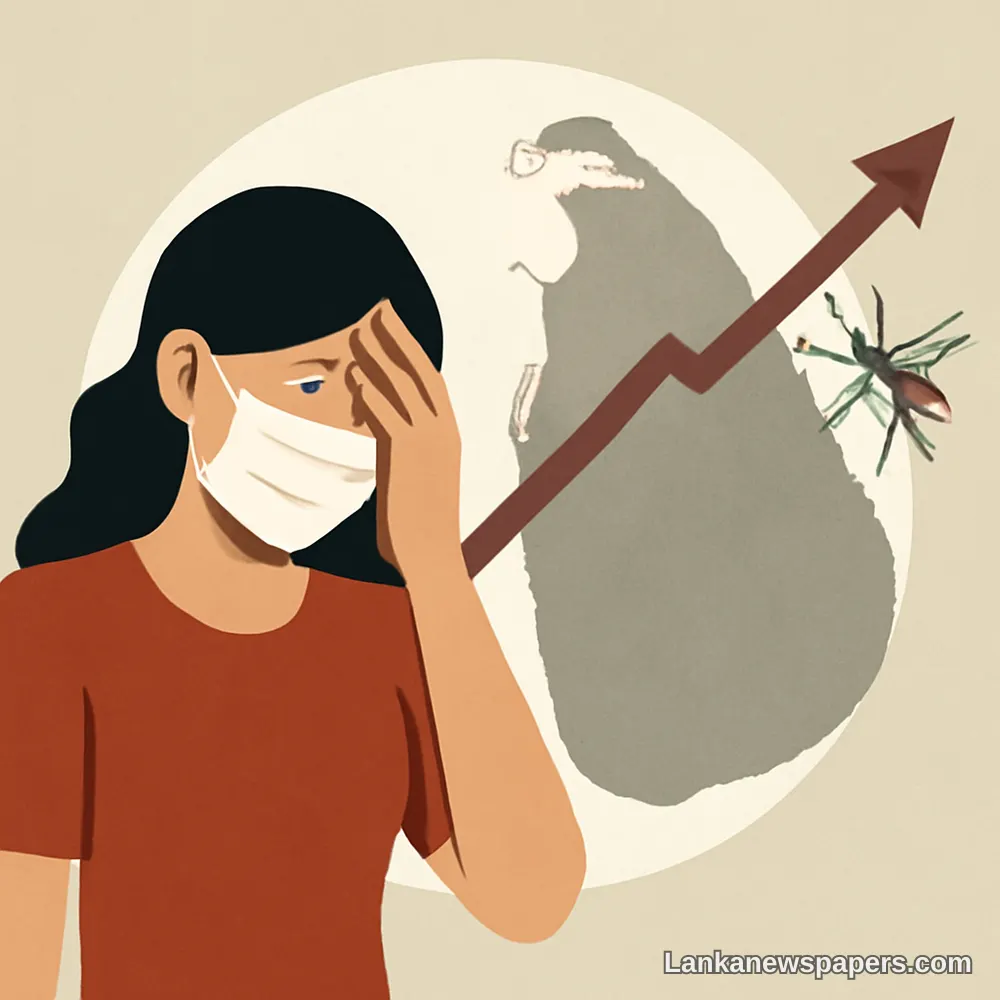
Sri Lanka is facing a worsening dengue fever crisis, with the total number of reported cases for the year approaching the alarming milestone of 70,000, raising serious public health concerns across the island.
A Mounting Public Health Emergency
The surge in dengue infections has placed significant pressure on the country's healthcare system, with hospitals in multiple provinces reporting increased admissions of patients suffering from the mosquito-borne illness. Health authorities are urging the public to take immediate preventive action as the situation continues to deteriorate.
Dengue fever, transmitted through the bite of the Aedes aegypti mosquito, thrives in areas where stagnant water accumulates, providing ideal breeding conditions. Sri Lanka's tropical climate and seasonal rainfall patterns have long made the country vulnerable to outbreaks, but this year's figures are drawing particular concern from medical professionals and officials alike.
What the Public Can Do
Health officials are reminding citizens that prevention remains the most effective tool in combating the spread of dengue. Key measures recommended by authorities include:
- Eliminating stagnant water in and around homes, including flower pots, tyres, and water containers
- Using mosquito repellents and wearing protective clothing, especially during dawn and dusk
- Ensuring proper disposal of waste that may collect rainwater
- Seeking immediate medical attention if symptoms such as high fever, severe headache, or joint pain develop
A Call for Collective Responsibility
Dengue prevention is not solely the responsibility of health authorities — every household and community must play an active role in eliminating breeding sites before the situation worsens further.
With the case count nearing 70,000, Sri Lanka's health authorities face a critical window to intensify awareness campaigns, community clean-up drives, and vector control operations. Officials continue to monitor the situation closely as the country works to bring one of its most persistent public health challenges under control.



💬 Join the Discussion 2
See what readers are saying — and add your view.
every year same thing, goverment does nothing until ppl start dying
exactly, clean the drains first then talk about development