Sri Lanka Claims Unenviable Third Spot Among World's Most Traffic-Congested Nations
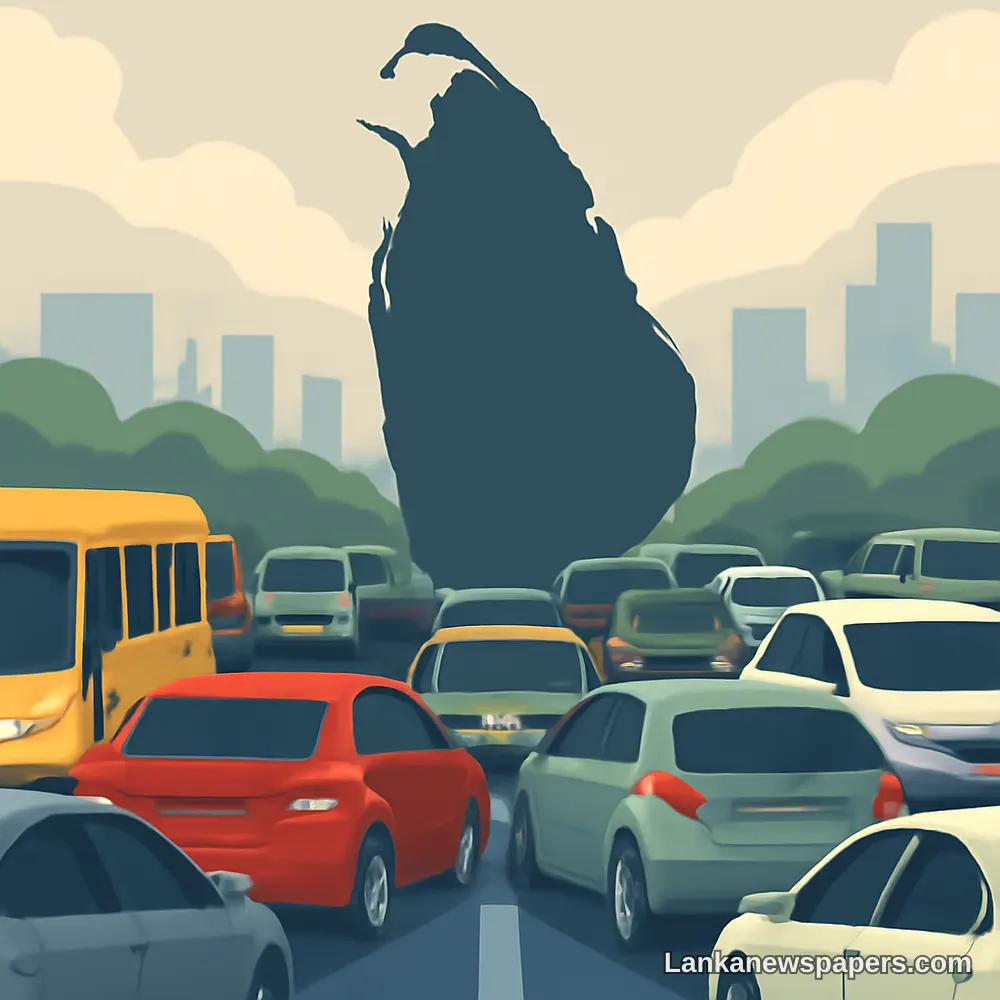
Island Nation Joins Exclusive — and Unwelcome — Club of Global Traffic Hotspots
Sri Lanka has been ranked the third most traffic-congested country in the world, a sobering distinction that will come as little surprise to the millions of commuters who navigate the island's gridlocked roads on a daily basis.
The latest international ranking places Sri Lanka among the worst-performing nations globally when it comes to traffic congestion, highlighting a crisis that has long plagued urban centres, particularly the Western Province corridor stretching from Colombo to its surrounding suburbs.
A Daily Struggle for Commuters
For ordinary Sri Lankans, the ranking is a confirmation of lived reality. Commuters in and around Colombo routinely spend hours stuck in bumper-to-bumper traffic, with peak-hour congestion on key arterial roads such as Galle Road, Baseline Road, and the Colombo-Kandy highway becoming a defining feature of working life.
The situation is driven by a combination of factors that urban planners and transport experts have long flagged as urgent concerns:
- A rapid increase in the number of private vehicles on roads that were not designed to accommodate such volumes
- Inadequate and underfunded public transport infrastructure
- Poor urban planning and uncontrolled suburban sprawl
- Insufficient enforcement of traffic regulations
- Limited investment in road network expansion and maintenance
Economic and Environmental Consequences
Beyond the frustration of delayed commutes, chronic traffic congestion carries significant economic consequences for Sri Lanka. Lost productivity, increased fuel consumption, and higher vehicle operating costs place a measurable burden on both businesses and households — a particularly pressing concern given the country's ongoing efforts to stabilise its economy following the 2022 financial crisis.
Environmental impacts are equally troubling. Idling vehicles contribute substantially to air pollution in urban areas, raising public health concerns that authorities have yet to adequately address.
Calls for Urgent Action
Transport analysts and civil society groups have repeatedly called on the government to prioritise investment in mass transit solutions, including the long-discussed light rail and bus rapid transit projects, as well as meaningful improvements to the existing rail network.
Sri Lanka's ranking as one of the world's most congested nations is not merely a logistical inconvenience — it is a structural challenge with real consequences for economic productivity, environmental health, and the quality of life of every Sri Lankan.
With the country now holding third place globally in this grim index, pressure is mounting on policymakers to move beyond discussion and deliver concrete, lasting solutions to what has become one of Sri Lanka's most persistent infrastructure failures.
💬 Join the Discussion 0
Be the first to share your view on this story.