Sri Lanka Acts to Tackle Dangerous Prison Overcrowding Following Deadly Riot That Claimed 28 Lives
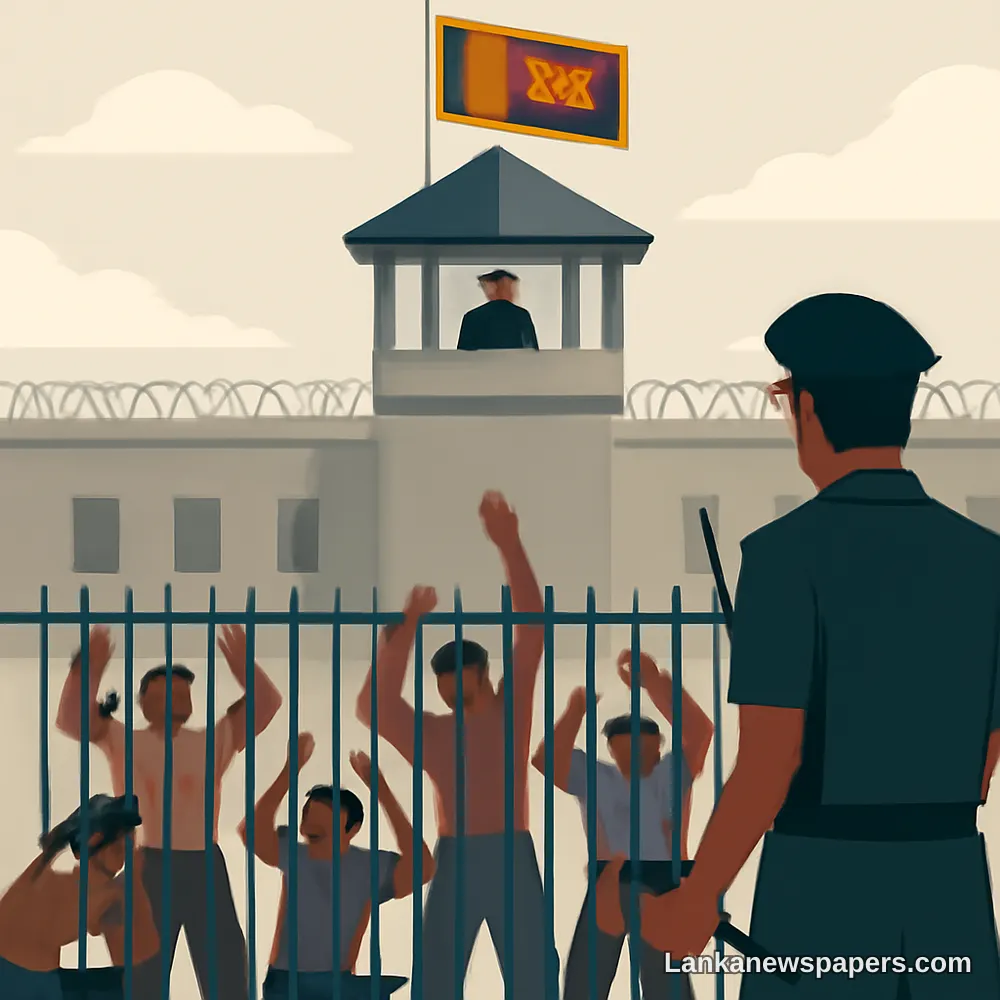
Sri Lanka's authorities have moved to address a long-standing crisis of severe overcrowding in the country's prison system following a deadly riot that left 28 inmates dead, prompting urgent calls for reform across the island's correctional facilities.
A Tragedy That Forced Action
The fatal riot, which claimed the lives of 28 prisoners, has cast a harsh spotlight on the dangerously overcrowded conditions that have plagued Sri Lanka's jails for years. The incident has served as a grim turning point, compelling officials to confront an issue that advocates and prison welfare groups have long warned could lead to catastrophic consequences.
Sri Lanka's prison network has for years operated well beyond its intended capacity, with facilities housing far more inmates than they were designed to accommodate. Experts and human rights observers have repeatedly flagged these conditions as a ticking time bomb, warning that overcrowding breeds tension, violence, and the deterioration of basic living standards for those in custody.
Government Response
In the wake of the deadly unrest, Sri Lankan authorities have signalled their intention to implement measures aimed at reducing the burden on the prison system. While specific details of the proposed reforms are still being worked out, officials have acknowledged that the status quo is unsustainable and that immediate steps are necessary to prevent further loss of life.
Among the broader concerns raised in the aftermath of the riot is the high proportion of remand prisoners — individuals who have not yet been convicted of any offence — who make up a significant share of the prison population. Legal and judicial reforms that could expedite hearings and reduce lengthy pre-trial detention periods are widely seen as critical components of any meaningful solution.
A Systemic Problem Demanding Systemic Solutions
Prison overcrowding in Sri Lanka is not a new phenomenon. The country's correctional system has historically struggled to cope with the volume of individuals passing through it, hampered by under-resourcing, insufficient infrastructure, and a backlog of cases within the judicial system.
- Sri Lanka's prisons have long operated beyond their official capacity
- A large number of inmates are remand prisoners awaiting trial
- Human rights groups have repeatedly raised concerns about inmate welfare
- The judicial backlog is considered a key driver of overcrowding
Observers note that genuine and lasting reform will require a coordinated approach spanning the justice, legal, and prison administration sectors. Isolated measures, they warn, are unlikely to deliver the systemic change that Sri Lanka's prison population urgently needs.
Calls for Accountability
The deaths of 28 inmates have also triggered calls for a thorough and transparent investigation into the circumstances that led to the riot. Civil society groups and legal advocates are urging the government to ensure that those responsible for any failures in duty of care are held accountable, and that the voices of surviving prisoners and their families are heard in the reform process.
As Sri Lanka grapples with this deeply troubling episode, the hope among many observers is that the tragedy will not be allowed to fade quietly from public attention, but will instead serve as the catalyst for the meaningful, humane reforms that the country's prison system so desperately requires.



💬 Join the Discussion 4
See what readers are saying — and add your view.
these prisoners are still human beings, cant just pack them like sardines.
how many ppl were even inside that prison? must have been seriously overcrowded.
28 people dead and only NOW they want to fix it. typical goverment reaction.
exactly, always waiting for tragedy before doing anything.