Sri Lanka Plans to Transform Hospital Into Prison Facility Following Deadly Welikade Riot
Government Acts Following Deadly Prison Unrest
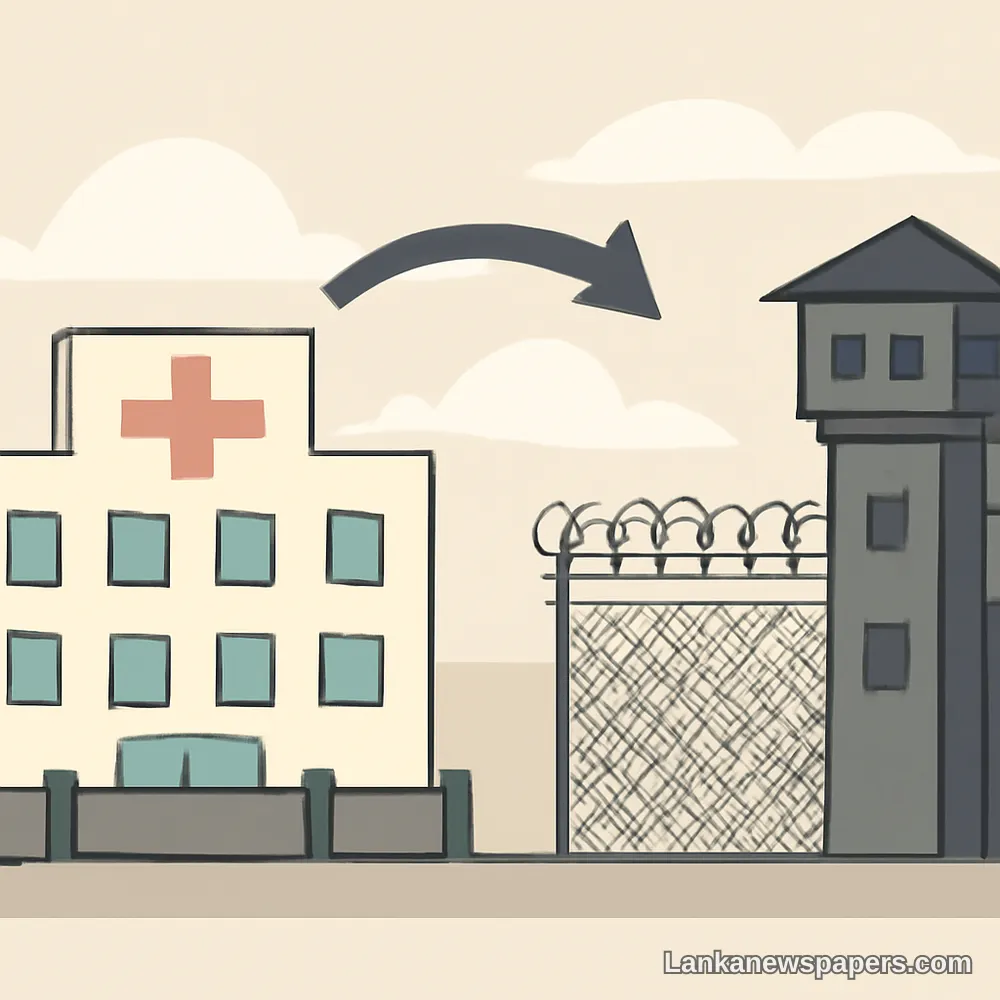
Sri Lankan authorities have announced plans to convert a hospital facility into a prison in the wake of a deadly riot that shook the country's correctional system, raising urgent questions about overcrowding and the management of the island nation's jails.
Background to the Crisis
The decision comes after a violent outbreak at one of Sri Lanka's prisons left inmates dead and highlighted the severe strain being placed on the country's detention infrastructure. The riot drew widespread concern from human rights observers and opposition politicians alike, who have long warned that dangerous overcrowding was creating a powder keg inside Sri Lankan correctional facilities.
Prison overcrowding has been a persistent and deeply troubling issue in Sri Lanka for many years. Rights groups have repeatedly called on successive governments to address the root causes, including lengthy pre-trial detentions and insufficient rehabilitation programmes that keep inmate populations swelling beyond manageable levels.
Hospital Conversion Plan
In response to the crisis, the government has moved to repurpose an existing hospital building to serve as an additional prison facility, with officials arguing the move is necessary to ease dangerous congestion in the current prison network. The conversion is intended as a practical, near-term solution while longer-term structural reforms are considered.
Critics, however, have questioned whether converting a healthcare facility addresses the underlying issues, warning that simply adding capacity without broader reform could prove an inadequate and short-sighted response to what many regard as a deep systemic failure.
Calls for Broader Reform
Civil society organisations and legal advocates have urged the government to go beyond infrastructure measures and pursue comprehensive prison reform, including:
- Reducing the number of remand prisoners held without conviction
- Expanding alternative sentencing options for non-violent offenders
- Improving rehabilitation and mental health services within prisons
- Strengthening independent oversight of correctional facilities
Expanding physical space alone will not solve a crisis that is fundamentally about policy, justice, and the humane treatment of those in state custody.
The government has yet to provide a detailed timeline for the hospital conversion project or outline what broader reforms, if any, will accompany the infrastructure change. Prison authorities and the Ministry of Justice are expected to issue further statements as the situation develops.
The deadly riot and the government's response are likely to remain under close public scrutiny in the weeks ahead, with Sri Lankans watching to see whether meaningful change follows or whether temporary fixes continue to paper over a problem that has festered for decades.


💬 Join the Discussion 2
See what readers are saying — and add your view.
so now converting hospitals to prisons? what about the sick ppl who need it
exactly, where are the patients supposed to go machang