World Bank Elevates Sri Lanka to Upper-Middle-Income Status — Surpassing India in Per Capita Rankings
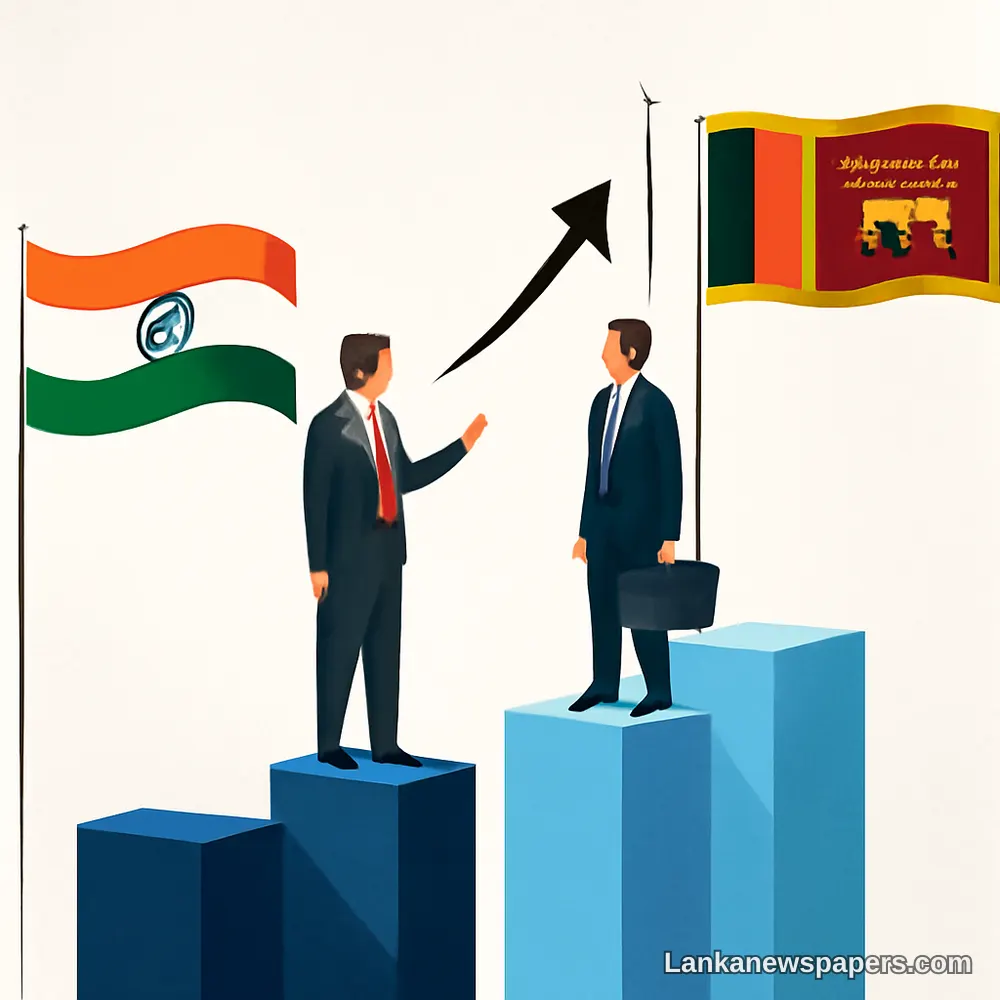
Sri Lanka has received a significant economic endorsement from the World Bank, which has upgraded the island nation's income classification to upper-middle-income status — a milestone that places it ahead of its much larger regional neighbour, India, in terms of per capita income ranking.
What the Upgrade Means
The World Bank periodically reviews and revises the income classifications of countries based on their Gross National Income (GNI) per capita. Sri Lanka's elevation to upper-middle-income status reflects a measurable improvement in the country's economic output relative to its population — a notable achievement given the severe economic crisis the nation endured just a few years ago.
Countries are grouped into four tiers by the World Bank: low-income, lower-middle-income, upper-middle-income, and high-income. Sri Lanka's latest reclassification marks a step up from its previous lower-middle-income category.
How Can Sri Lanka Outrank India Despite India's Far Larger Economy?
The distinction lies in a fundamental difference between total GDP and per capita income. While India boasts one of the largest economies in the world by absolute size, its vast population of over 1.4 billion people means that national wealth is spread across far more individuals. Sri Lanka, with a population of approximately 22 million, benefits from a considerably higher income figure when national output is divided per head.
In other words, a country's total economic size and its citizens' average standard of living as measured by per capita income are two very different metrics. India's enormous GDP reflects the scale of its economy, but Sri Lanka's smaller, more concentrated population base allows it to record a higher GNI per capita — the precise measure the World Bank uses for its classifications.
A Remarkable Turnaround for Sri Lanka
The upgrade carries particular symbolic weight given Sri Lanka's recent history. The country declared an unprecedented economic emergency in 2022, defaulting on its foreign debt and facing acute shortages of fuel, medicine, and essential goods. The International Monetary Fund stepped in with a bailout programme, and successive governments undertook painful but necessary fiscal reforms.
The World Bank's reclassification serves as external validation that those reforms are bearing fruit and that the country's economic recovery is gaining credibility on the international stage.
Reasons for Cautious Optimism
Economists and policymakers have welcomed the news, though many urge caution. Sri Lanka's recovery remains fragile, and several challenges persist, including:
- A still-elevated public debt burden requiring sustained fiscal discipline
- The need to rebuild foreign exchange reserves to comfortable levels
- Unemployment and the cost of living continuing to pressure ordinary households
- The risk of reform fatigue undermining long-term structural changes
Economic classifications are important signals to international investors and creditors, but the true measure of recovery will be felt in the daily lives of Sri Lankan families.
Implications for Investment and Borrowing
An upgraded income classification can have practical consequences beyond prestige. It may influence Sri Lanka's eligibility for certain categories of concessional financing, as some international lending programmes are reserved for lower-income nations. However, it also signals improved creditworthiness and economic stability, which could attract greater foreign direct investment and improve the country's standing in international capital markets.
For a nation working to rebuild its reputation among global investors following its debt default, the World Bank's recognition represents an important step forward — one that the government and economic planners will hope to build upon in the months and years ahead.
💬 Join the Discussion 3
See what readers are saying — and add your view.
goverment will take credit but ordinary ppl still struggling to buy rice
after the crisis we still managed to pass India? proud moment actually
dont get too excited, per capita only means population difference lah