Sri Lanka Climbs Back to Middle-Income Status — But Ordinary Citizens Are Still Feeling the Pinch
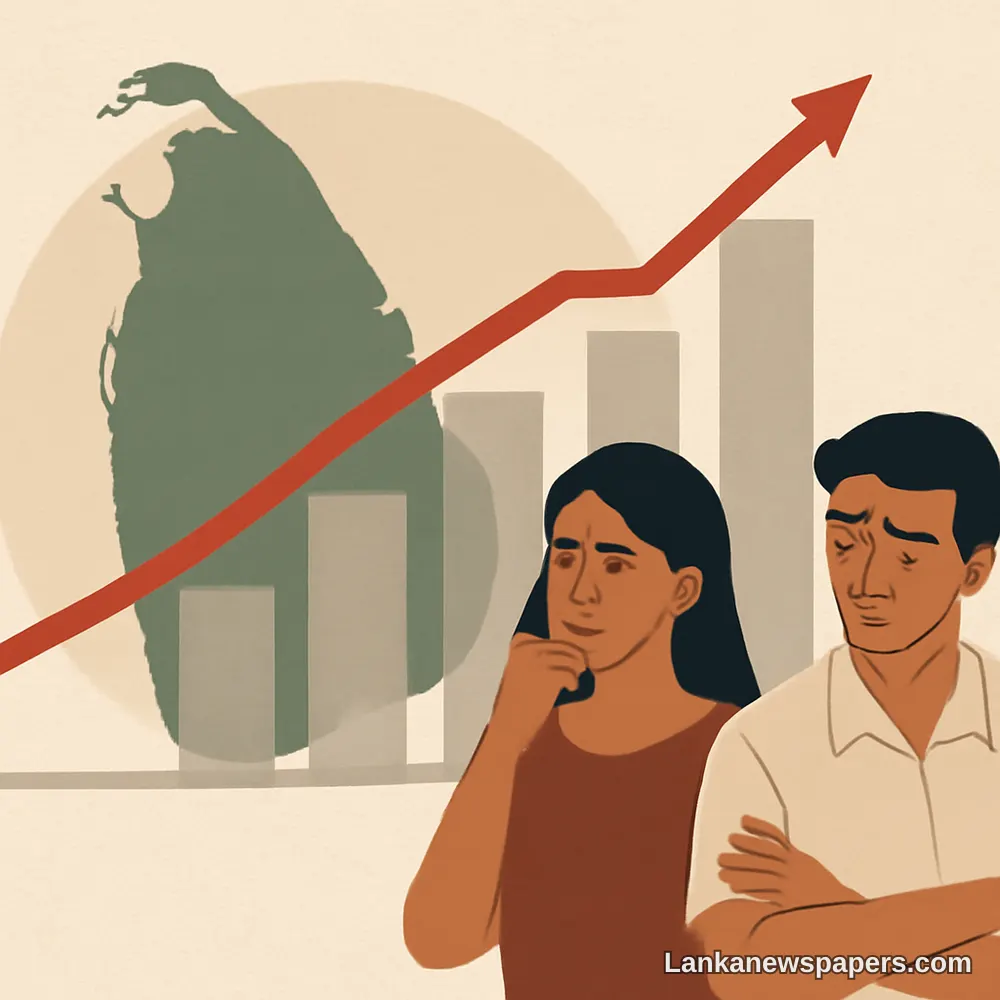
Sri Lanka has been reclassified as a lower-middle-income country by the World Bank, marking a symbolic milestone in the island nation's recovery from its worst economic crisis in modern history. Yet for millions of Sri Lankans still struggling with the cost of living, the upgrade offers little immediate relief.
What the Reclassification Means
The World Bank periodically reviews and adjusts country income classifications based on Gross National Income (GNI) per capita. Sri Lanka's return to lower-middle-income status signals that key economic indicators have improved sufficiently to clear the threshold required for the reclassification — a notable turnaround after the country was downgraded following the devastating 2022 economic collapse.
At the height of that crisis, Sri Lanka defaulted on its foreign debt for the first time in its history, foreign exchange reserves were virtually exhausted, and widespread shortages of fuel, medicine, and essential goods brought daily life to a near standstill. The reclassification represents, at least on paper, a meaningful step away from those dire circumstances.
The Gap Between Statistics and Street-Level Reality
However, economists and civil society groups caution against reading too much into the label. Aggregate income figures can mask deep inequalities, and for a large proportion of Sri Lanka's population, economic hardship remains very much a lived reality.
- Inflation, though easing from its record peaks, has permanently eroded household purchasing power for many families.
- Taxation has increased sharply as part of the government's IMF-backed fiscal consolidation programme, placing a heavier burden on salaried workers and small business owners.
- Utility tariffs — including electricity and water — were raised substantially during the crisis period and have not returned to pre-crisis levels.
- Unemployment and underemployment continue to affect a significant segment of the working-age population.
The Road Ahead Under the IMF Programme
Sri Lanka is currently navigating a multi-year Extended Fund Facility arrangement with the International Monetary Fund, which has provided a financial lifeline but comes attached to strict conditions around revenue collection, subsidy reform, and public sector restructuring. While the programme has helped stabilise the exchange rate and rebuild foreign reserves, critics argue that the adjustment costs are being borne disproportionately by ordinary citizens rather than by wealthier segments of society.
The numbers may look better from the outside, but inside the country, families are still making painful choices about what they can and cannot afford each month.
A Cautious Welcome
Government officials have welcomed the World Bank's reclassification as validation of the economic reform agenda pursued over the past two years. They point to stabilised inflation, improved foreign reserves, restored fuel supplies, and renewed investor interest as evidence that the recovery is genuine and gaining traction.
Yet the broader consensus among analysts is clear: a change in classification is a beginning, not a destination. For Sri Lanka's recovery story to be meaningful to the people who lived through the crisis, the benefits of macroeconomic stabilisation must eventually translate into tangible improvements in wages, employment, and the affordability of everyday essentials. Until that happens, the distance between a nation reclassified and a people truly recovered remains considerable.

💬 Join the Discussion 4
See what readers are saying — and add your view.
at least some progress no, cant always be negative about everything
who is feeling this recovery honestly, not the normal ppl
Middle income on paper but my salary same as 2019 no
exactly men, cost of living tripled but goverment celebrating