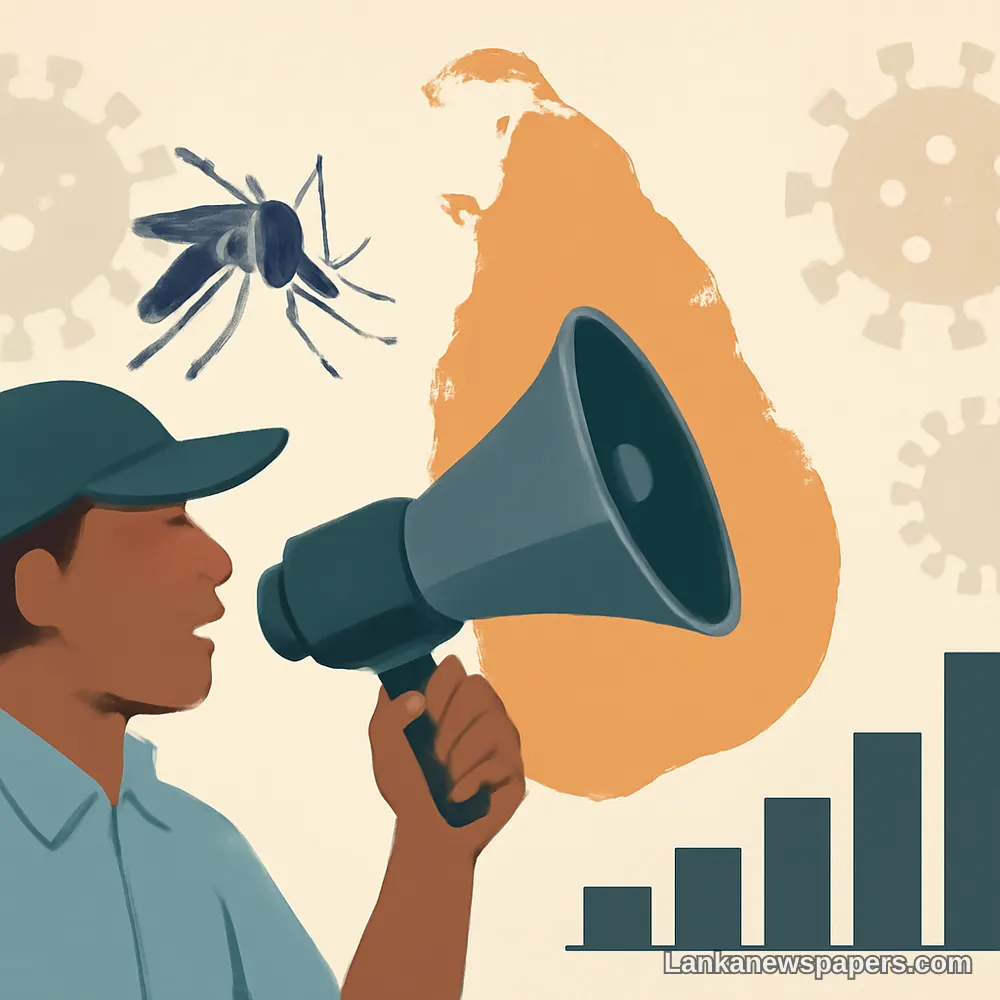
Sri Lanka's Public Health Inspectors' (PHI) Union has issued a stark warning that the country's escalating dengue crisis remains firmly out of control, with health authorities expressing deep concern over a potential fresh surge in infections driven by shifting weather patterns.
Situation Remains Critical
Speaking out on Friday, the PHI Union cautioned that the dengue hyper-epidemic gripping the island nation has yet to be brought under any meaningful level of containment. Officials stressed that the current trajectory of the outbreak poses a serious and ongoing threat to public health across Sri Lanka.
The warning comes as changing weather conditions are feared to be creating fertile ground for a renewed spike in dengue cases, raising the prospect of the situation worsening in the weeks ahead.
What Is Driving the Outbreak?
Dengue fever, transmitted through the bite of the Aedes aegypti mosquito, thrives in warm, wet conditions — circumstances that Sri Lanka frequently experiences, particularly during monsoon transitions. Standing water from rainfall provides ideal breeding grounds for mosquito populations to multiply rapidly.
Public Urged to Remain Vigilant
Health authorities are urging all Sri Lankans to take immediate preventative action at the household and community level. Key measures recommended include:
- Eliminating stagnant water sources around homes and workplaces
- Properly covering water storage containers
- Using mosquito repellents and protective clothing
- Seeking prompt medical attention upon experiencing dengue symptoms such as high fever, severe headaches, and joint pain
The PHI Union has made clear that without urgent collective action from both authorities and the public, the hyper-epidemic risks spiralling further beyond control.
A Call for Coordinated Action
The PHI Union's latest alert underscores the need for a coordinated national response to the crisis. Public health inspectors play a frontline role in surveillance, detection, and community-level intervention, and the union's warning signals that additional resources and government support may be urgently required to turn the tide against this outbreak.
Sri Lanka has historically battled recurring dengue epidemics, but the characterisation of the current situation as a "hyper-epidemic" reflects the exceptional severity of this latest wave, making swift and decisive action all the more critical.



💬 Join the Discussion 2
See what readers are saying — and add your view.
every year same story, goverment does nothing until ppl start dying
exactly, only talk no action as usual