Sri Lanka's Dengue Crisis Deepens as Cases Cross 58,000 Mark and Death Toll Reaches 39
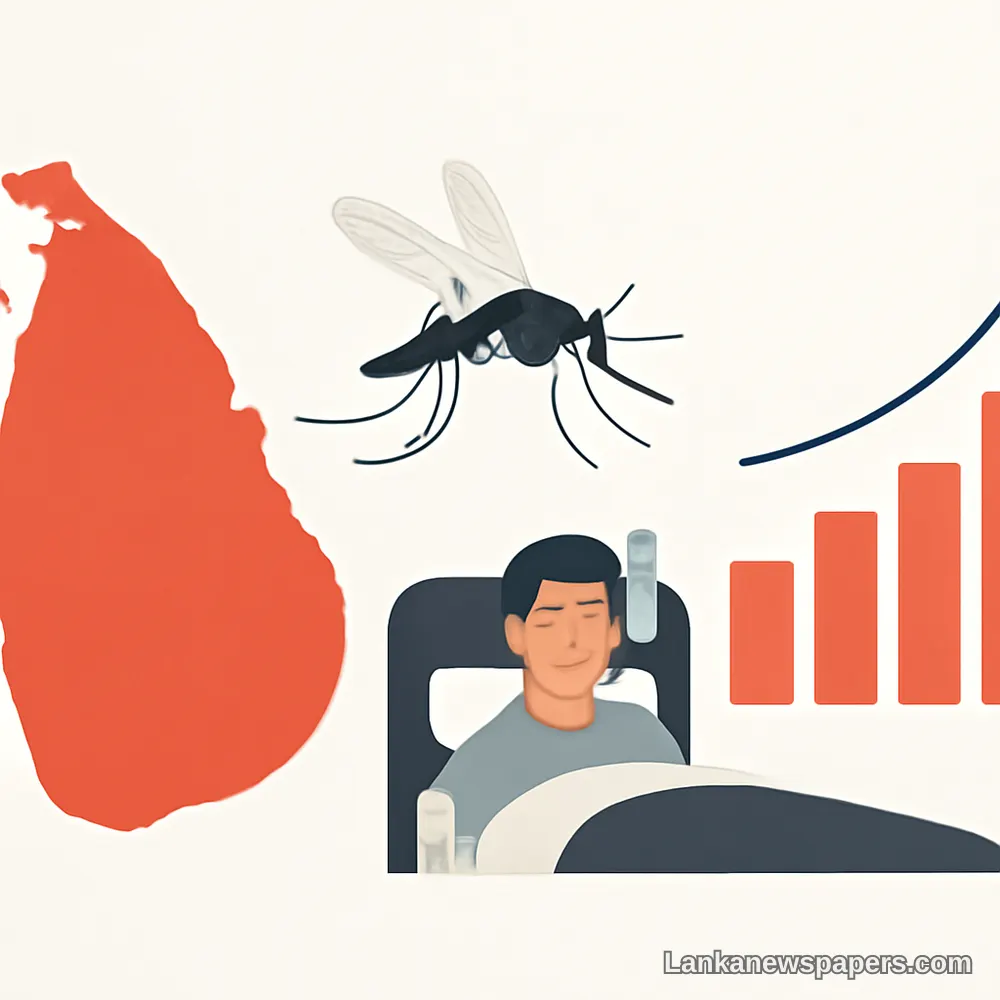
Island-wide outbreak raises serious public health concerns
Sri Lanka is grappling with a worsening dengue fever outbreak, with the total number of reported cases now surpassing 58,000 across the island, while the death toll has climbed to 39, according to the latest health authorities data.
The figures paint a troubling picture of a mosquito-borne disease that continues to spread at an alarming rate, placing significant pressure on the country's healthcare system and prompting urgent calls for stronger preventive action at both community and government levels.
A nationwide concern
Dengue fever, transmitted through the bite of the Aedes aegypti mosquito, thrives in warm, humid conditions and is particularly difficult to contain in densely populated urban areas where stagnant water provides ideal breeding grounds. Sri Lanka's tropical climate makes it especially vulnerable to seasonal surges in dengue transmission.
Health officials have repeatedly warned the public about the dangers of allowing water to collect in containers, tyres, flower pots, and other household items, as even small amounts of standing water can serve as mosquito breeding sites.
What the public should watch for
Symptoms of dengue fever typically include:
- Sudden high fever lasting several days
- Severe headaches and pain behind the eyes
- Joint and muscle pain
- Skin rashes
- Mild bleeding, such as nose or gum bleeds
Medical professionals urge anyone experiencing these symptoms to seek immediate medical attention, as dengue can rapidly progress to severe dengue — a potentially fatal condition involving internal bleeding and organ failure.
Community action critical
Authorities have emphasised that the fight against dengue cannot rest solely with health officials and that active community participation is essential to turning the tide on this outbreak. Residents are being urged to inspect their surroundings regularly, eliminate standing water, and use mosquito repellents and nets as protective measures.
As the case count continues to rise, public health experts are calling on local government bodies to intensify fogging operations and awareness campaigns, particularly in high-risk districts, to prevent the situation from deteriorating further.

💬 Join the Discussion 4
See what readers are saying — and add your view.
can someone explain why colombo is always worst affected every season
my whole street got dengue this month, its not just numbers for us
58,000 cases and goverment only acting now? shameful honestly
every year same thing, they wait till ppl die then start cleaning drains