Dengue Surge Raises Alarm Across the Island
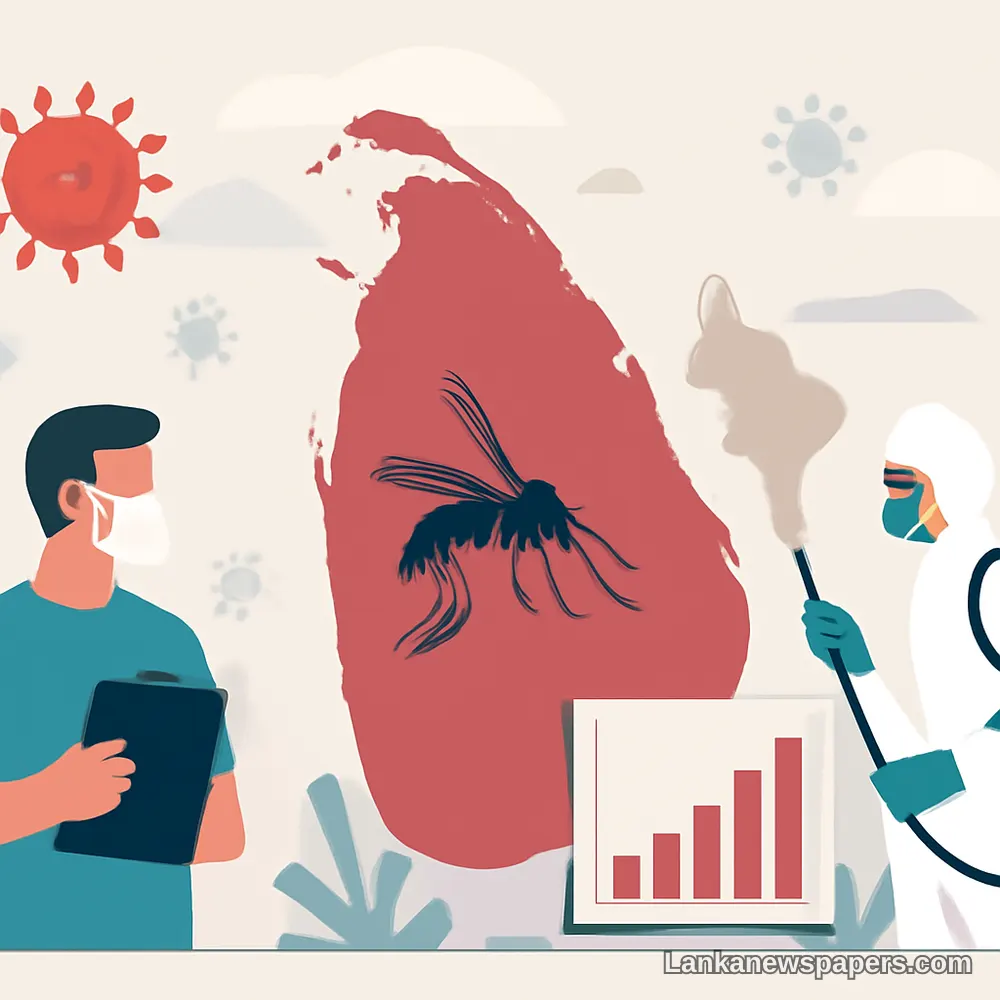
Sri Lanka has recorded more than 21,500 dengue fever cases during the month of June, signalling a sharp escalation in the mosquito-borne disease outbreak that has been gripping the country in recent months.
A Mounting Public Health Crisis
The latest figures reflect a worrying trend for health authorities, as dengue continues to spread across multiple districts. The June tally represents a significant burden on the island's healthcare system, with hospitals and clinics managing a steady influx of patients presenting with symptoms of the viral illness.
Dengue fever, transmitted through the bite of the Aedes aegypti mosquito, is endemic to Sri Lanka and typically surges during and after the monsoon season, when stagnant water creates ideal breeding conditions for mosquitoes.
What the Public Should Know
Health officials have consistently urged the public to take preventive measures to curb the spread of the disease. Key steps recommended include:
- Eliminating stagnant water around homes and workplaces
- Using mosquito repellents and protective clothing
- Ensuring proper disposal of water-collecting containers such as tyres, pots, and flower vases
- Seeking immediate medical attention if symptoms such as high fever, severe headache, or joint pain develop
Seasonal Pattern With Serious Consequences
While dengue outbreaks are not uncommon in Sri Lanka, the scale of cases reported in June alone underscores the need for sustained community-level action. In severe cases, dengue can progress to dengue haemorrhagic fever, which can be life-threatening if not treated promptly.
Authorities are expected to intensify awareness campaigns and vector control operations in high-risk areas as the outbreak continues to unfold.


💬 Join the Discussion 2
See what readers are saying — and add your view.
every year same thing, goverment does nothing until ppl start dying
exactly, only talk no action as usual