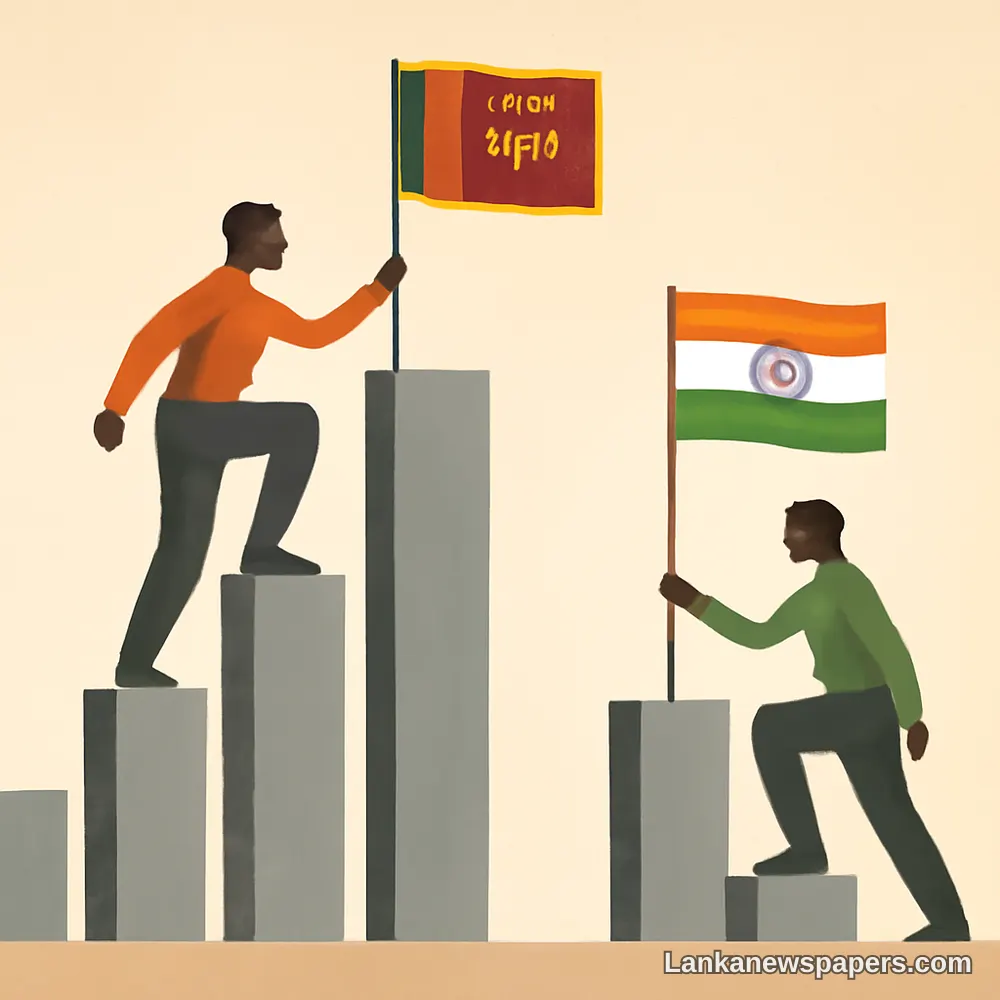
Sri Lanka has achieved a significant economic milestone, securing its place among the world's upper middle income countries — a notable turnaround for a nation that was grappling with a devastating financial crisis just a few years ago. The development has drawn fresh attention to how national income classifications work, and why some economies, including India, remain in lower tiers despite recording impressive growth figures.
What the Classification Means
The World Bank periodically updates its country income classifications based on Gross National Income (GNI) per capita. Countries are grouped into four categories: low income, lower middle income, upper middle income, and high income. Sri Lanka's elevation to upper middle income status reflects a measurable improvement in the average income of its population, a remarkable achievement given the economic turmoil the island nation endured in 2022, which included foreign exchange shortages, fuel queues, and an International Monetary Fund bailout.
India's Position in the Rankings
India, despite being one of the fastest growing major economies in the world and consistently posting strong GDP growth rates, continues to be classified as a lower middle income country. The reason lies in how the classification is calculated — it is based on GNI per capita, meaning total national income is divided across the entire population.
With a population exceeding 1.4 billion people, India's overall economic output, while enormous in absolute terms, is spread across a vast number of citizens. This results in a per capita figure that keeps the country below the upper middle income threshold, even as its aggregate economy ranks among the largest globally.
Sri Lanka's Unlikely Rebound
Sri Lanka's achievement is particularly striking given the scale of its recent crisis. The country defaulted on its external debt in 2022 — the first such default in its history — and faced severe shortages of essential goods. The government subsequently entered a restructuring programme with the IMF, implementing painful but necessary fiscal reforms.
The recovery, while still fragile in certain respects, has been swift enough to lift the country's GNI per capita above the threshold required for upper middle income classification. This places Sri Lanka alongside countries such as Brazil, China, and South Africa in terms of income grouping.
Why This Matters for Sri Lanka
The reclassification carries practical implications beyond prestige. It can affect a country's access to concessional loans and development financing, as wealthier nations typically qualify for less favourable borrowing terms from multilateral institutions. For Sri Lanka, managing this transition carefully will be essential as it continues to stabilise its public finances and rebuild investor confidence.
For Sri Lankan policymakers and citizens alike, the milestone serves as a marker of resilience — a sign that the painful economic adjustments of recent years are beginning to yield measurable results on the global stage.


💬 Join the Discussion 0
Be the first to share your view on this story.