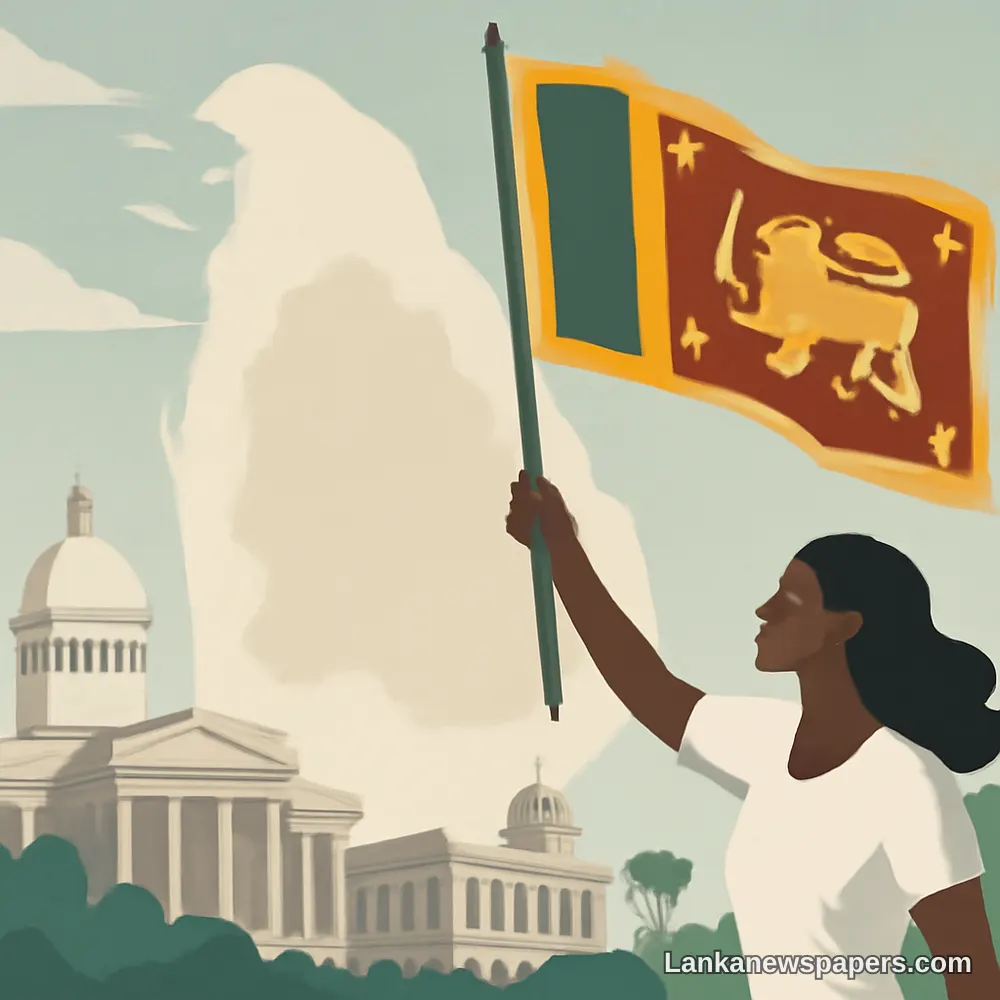
Government Formally Ends Emergency Rule
Sri Lanka has officially brought its state of emergency to a close, marking a significant milestone in the country's gradual return to political and economic normalcy following one of the most turbulent periods in its post-independence history.
Background to the Emergency Declaration
The state of emergency had been imposed during a period of severe civil unrest, as Sri Lanka grappled with a crippling economic crisis that led to widespread fuel shortages, long power cuts, and acute scarcity of essential goods. The situation culminated in unprecedented public protests, including the storming of the presidential residence in Colombo, which ultimately forced then-President Gotabaya Rajapaksa to flee the country and resign from office in 2022.
Emergency powers granted authorities expanded control over public order and security, allowing for measures beyond those available under ordinary law. Such provisions are typically invoked when governments determine that normal administrative mechanisms are insufficient to manage a crisis of national scale.
A Sign of Stabilisation
The lifting of the emergency is widely seen as an indicator that the government now believes the security situation has stabilised sufficiently to govern under standard constitutional arrangements. It also reflects growing confidence among authorities that the worst of the country's social and political turmoil has subsided.
Sri Lanka has been working to rebuild public trust and restore institutional credibility in the aftermath of the crisis, which exposed deep vulnerabilities in the country's governance and financial management.
Economic Recovery Efforts Continue
While the end of emergency rule is a positive political development, Sri Lanka continues to face significant economic challenges. The country reached a landmark debt restructuring agreement and secured a bailout programme from the International Monetary Fund, steps that have helped stabilise the rupee and rebuild foreign exchange reserves.
However, the cost of living remains elevated for ordinary Sri Lankans, and the path to full economic recovery is expected to be lengthy and demanding.
Looking Ahead
The formal end of emergency rule is expected to send a reassuring signal to international investors and foreign governments that Sri Lanka is committed to restoring democratic governance and the rule of law. Analysts have noted that sustained political stability will be essential if the island nation is to attract the foreign investment needed to drive long-term economic growth.
For millions of Sri Lankans who endured the hardships of the past few years, the removal of emergency powers represents a hopeful, if cautious, step forward.



💬 Join the Discussion 1
See what readers are saying — and add your view.
Finally some good news. but lets see how long this lasts