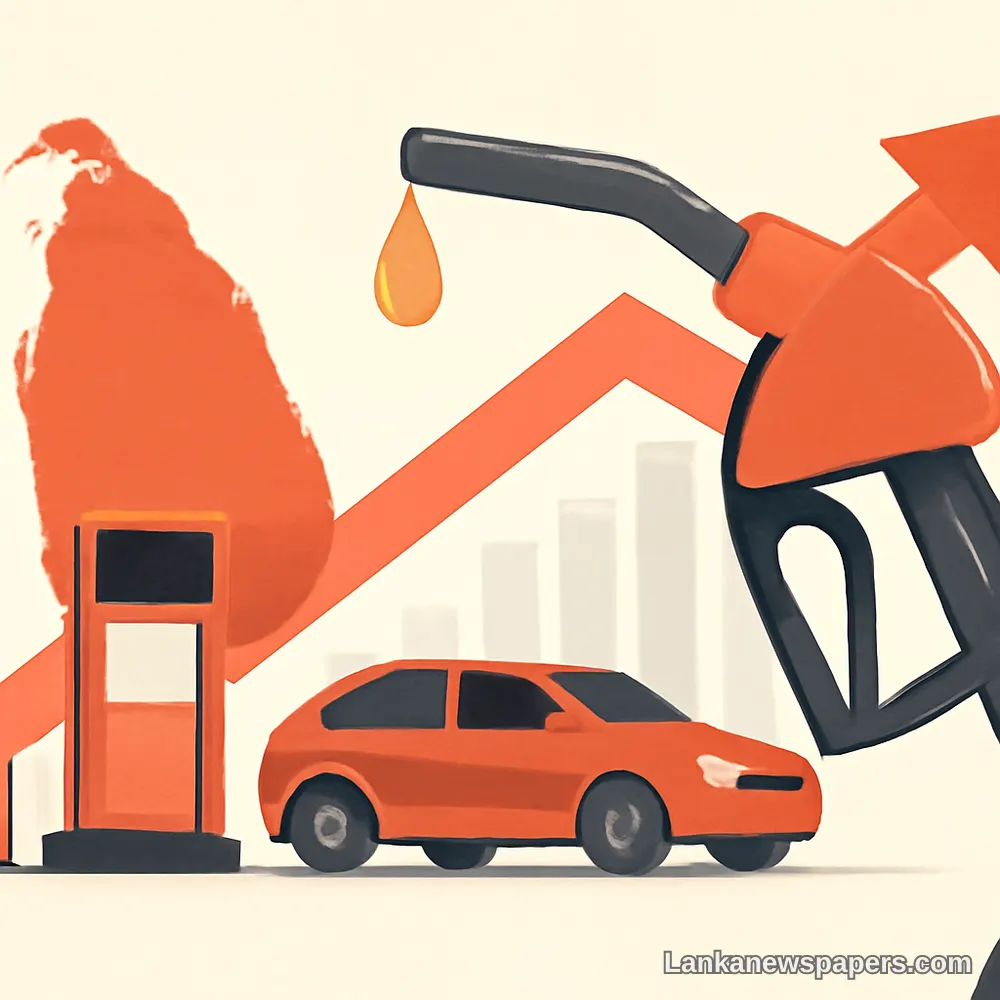
Sri Lanka's fuel import expenditure has seen a dramatic spike, with the monthly bill doubling to US$536 million in May 2026, raising fresh concerns about the country's foreign exchange position and the sustainability of its import costs.
Sharp Rise in Fuel Spending
The surge in May represents a significant jump from previous months, placing renewed pressure on the island nation's balance of payments. The sharp increase comes as global energy markets continue to fluctuate, affecting import-dependent economies like Sri Lanka more acutely than others.
When viewed across a broader timeframe, the scale of the increase becomes even more striking. Fuel import costs for the first five months of 2026 have climbed by more than 62 percent compared to the corresponding period in 2025, underlining a sustained and accelerating upward trend rather than a one-off monthly anomaly.
Implications for Sri Lanka's Economy
For a country that has only recently navigated one of its worst economic crises in modern history, a ballooning fuel bill poses serious challenges. Fuel imports are among the largest contributors to Sri Lanka's overall import expenditure, and rapid increases in this category can quickly erode foreign currency reserves that the country has worked hard to rebuild.
The Ceylon Petroleum Corporation and Lanka IOC, the two principal fuel distributors operating in Sri Lanka, are responsible for sourcing the bulk of the country's petroleum requirements. Any sustained rise in import costs could eventually translate into pressure on domestic fuel pricing, affecting consumers and businesses alike.
Broader Context
Sri Lanka concluded a landmark debt restructuring agreement and an International Monetary Fund programme in recent years, both of which were designed to restore macroeconomic stability. However, external shocks such as rising energy import bills can test the resilience of that recovery.
Economists and policymakers will be closely watching whether the elevated fuel expenditure in May represents a continuing pattern or a temporary peak. Key factors that will determine the trajectory in the months ahead include:
- Global crude oil and refined petroleum product prices
- The strength of the Sri Lankan rupee against the US dollar
- Domestic fuel demand driven by economic activity and tourism
- Government policy decisions on fuel pricing and subsidies
Calls for Vigilance
A doubling of the monthly fuel bill in a single month is a development that demands careful monitoring, particularly given Sri Lanka's hard-fought gains in stabilising its external sector over the past two years.
With the country still in the process of consolidating its economic recovery, authorities are expected to assess whether additional measures are needed to manage the impact of elevated energy import costs on the broader economy. The coming months will be critical in determining how this trend shapes Sri Lanka's fiscal and external balances for the remainder of 2026.



💬 Join the Discussion 4
See what readers are saying — and add your view.
cant they find alternative energy sources or are we just going to keep importing forever
someone explain how ordinary ppl are supposed to survive with fuel prices like this
62% jump in 5 months? who is managing this country seriously
thats what happens when goverment keeps printing money and ignoring the real problems