Sri Lanka's Wild Elephants Valued at Rs. 3.8 Billion Each — A Case for Stronger Conservation
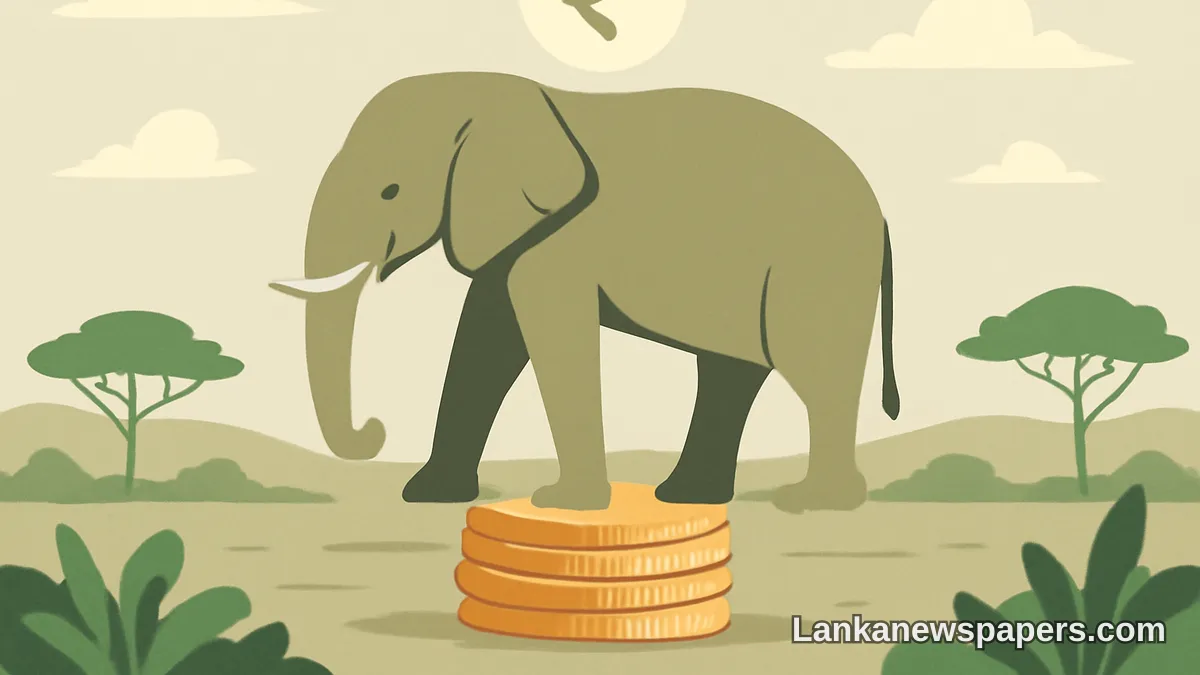
A living wild elephant roaming the forests of Sri Lanka carries an economic value of approximately Rs. 3.8 billion, according to a significant new valuation that underscores the immense natural wealth these majestic animals represent for the island nation.
Understanding the Value of a Wild Elephant
The staggering figure takes into account a range of factors, including the ecological services elephants provide, their contribution to biodiversity, and their role in driving wildlife tourism — an industry that generates substantial revenue for Sri Lanka each year. Far from being merely symbolic, this valuation offers a compelling economic argument for the protection and preservation of the country's wild elephant population.
Sri Lanka is home to one of the largest concentrations of Asian elephants in the world, and the species holds deep cultural, religious, and environmental significance for the nation. Yet despite this reverence, wild elephants continue to face serious threats, including habitat loss, human-elephant conflict, and illegal activity.
A Tool for Conservation Policy
Conservationists and wildlife experts hope that placing a concrete monetary value on living wild elephants will strengthen the case for protecting them and their habitats. The argument is straightforward — a living elephant, contributing to its ecosystem and attracting tourists over its lifetime, is worth exponentially more than any short-term gain that might come from its exploitation or loss.
- Wild elephants contribute to forest regeneration through seed dispersal
- They serve as a flagship species that drives eco-tourism revenue
- Their presence supports broader biodiversity within Sri Lanka's natural ecosystems
Human-Elephant Conflict Remains a Critical Concern
Sri Lanka continues to grapple with one of the highest rates of human-elephant conflict in Asia. As agricultural expansion encroaches on traditional elephant corridors, both human lives and elephant lives are lost in increasing numbers each year. This latest valuation could serve as a powerful reminder to policymakers that investment in conflict mitigation and habitat preservation is not only an ethical obligation but a sound economic decision.
A living wild elephant is a national asset — one whose true worth, when measured in full, demands far greater protection than it currently receives.
Wildlife authorities and conservation organisations in Sri Lanka are being urged to use this valuation as a foundation for stronger legal protections, improved land-use planning, and increased funding for programmes that allow both communities and elephants to coexist sustainably.
With Sri Lanka's elephant population under continued pressure, advocates say the time to act is now — before the country's most iconic wild inhabitants are lost to a future that failed to recognise their worth.
💬 Join the Discussion 4
See what readers are saying — and add your view.
but who is actually paying that 3.8 billion? just a number on paper.
so the elephant is worth more than my whole village combined lol
3.8 billion and still ppl killing them. what is wrong with us.
goverment knows the value but does nothing no.