Sri Lanka's Military Ties with Israel: Why the Relationship Goes Far Beyond a Fighter Jet
A Strategic Partnership Rooted in More Than Hardware
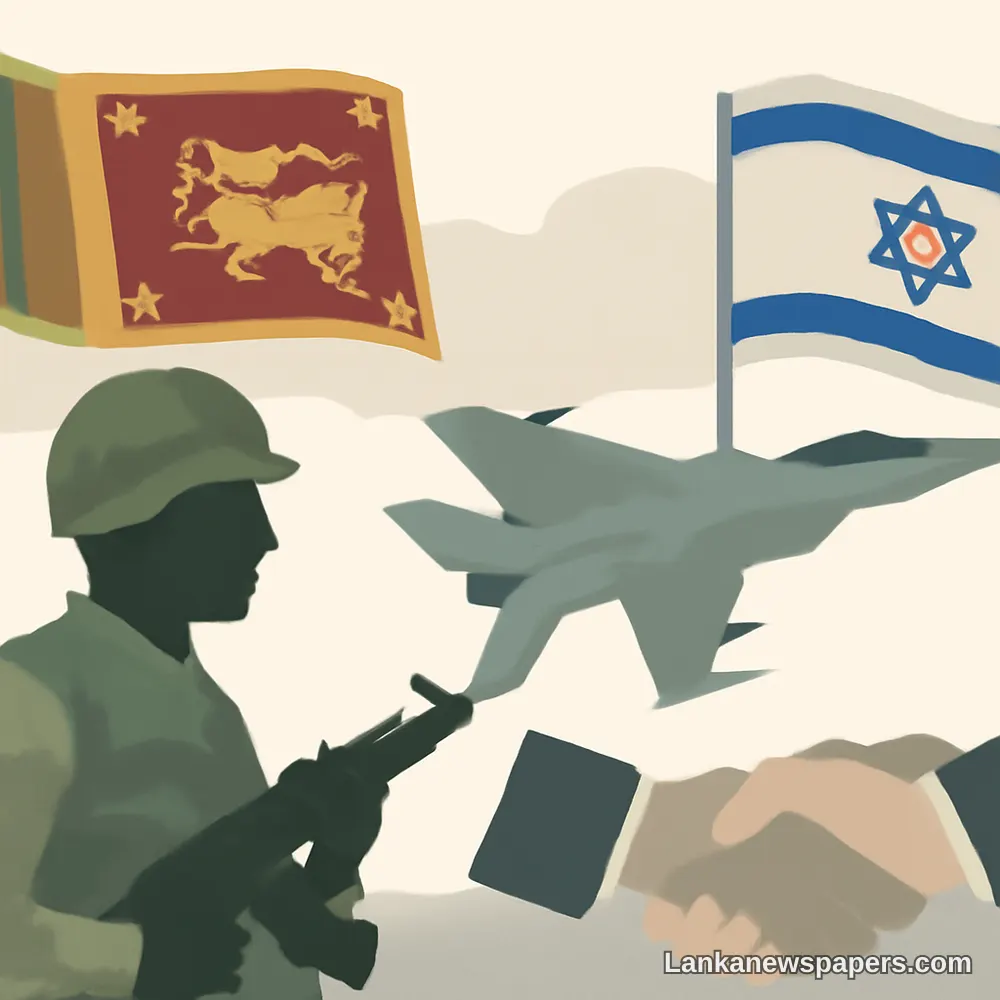
When discussions arise about Sri Lanka's military relationship with Israel, attention often gravitates toward the iconic Kfir fighter jet — the Israeli-built aircraft that has long served the Sri Lanka Air Force. However, analysts and observers argue that the true depth of Colombo's interest in Tel Aviv extends far beyond any single weapons platform.
The Kfir: A Symbol, Not the Substance
The Kfir, a supersonic combat aircraft developed by Israel Aerospace Industries, has been a visible marker of Sri Lanka's defence ties with Israel. Yet defence watchers contend that framing the bilateral relationship around the jet alone fundamentally misses the point. What Colombo has long sought — and continues to value — is access to Israel's broader military expertise, intelligence-sharing frameworks, and battlefield-tested counterinsurgency doctrine.
A Relationship Forged During the Civil War
Sri Lanka's military cooperation with Israel deepened significantly during the decades-long armed conflict with the Liberation Tigers of Tamil Eelam. Israel supplied not only aircraft but also surveillance technology, naval craft, and advisory support that Colombo found invaluable in prosecuting its military campaign. Critics, particularly from Tamil civil society and diaspora communities, have long highlighted this dimension of the relationship, arguing that Israeli support materially contributed to the conduct of military operations in the north and east of the island.
Beyond the Battlefield
In the post-war period, the strategic logic of maintaining close ties with Israel has not diminished from Colombo's perspective. Sri Lanka has continued to express interest in Israeli defence technology across multiple domains, including border surveillance, cybersecurity, and naval patrol capabilities. For a country navigating complex regional security dynamics in the Indian Ocean, the relationship is viewed by sections of the Sri Lankan establishment as a practical asset.
Tamil Perspectives and Human Rights Concerns
The ongoing relationship between Colombo and Tel Aviv remains deeply contentious among Tamil communities, both within Sri Lanka and internationally. Advocacy groups have drawn pointed parallels between Israeli military operations and the final stages of Sri Lanka's civil war, citing concerns over civilian casualties and accountability. These voices argue that continued defence cooperation sends a troubling signal at a time when calls for transitional justice in Sri Lanka remain unresolved.
Critics argue that Sri Lanka's interest in Israel is fundamentally about acquiring a model of militarised state control — one that prioritises security outcomes over accountability frameworks.
The Bigger Picture
Ultimately, the debate over the Kfir serves as a lens through which a much larger question comes into focus: what kind of security partnerships is Sri Lanka choosing to cultivate, and at what diplomatic and moral cost? As Colombo continues to balance relationships with major powers including India, China, and Western nations, its enduring ties with Israel offer a revealing window into the priorities that shape Sri Lankan foreign and defence policy.
For many observers, the aircraft is almost incidental. It is the strategic, technological, and ideological alignment between the two states that defines the relationship — and that continues to draw both scrutiny and debate.



💬 Join the Discussion 1
See what readers are saying — and add your view.
Tamil Guardian lah, what do you expect them to say about Israel ties