Sri Lanka Deploys Drones in High-Tech Battle Against Mosquito-Borne Diseases
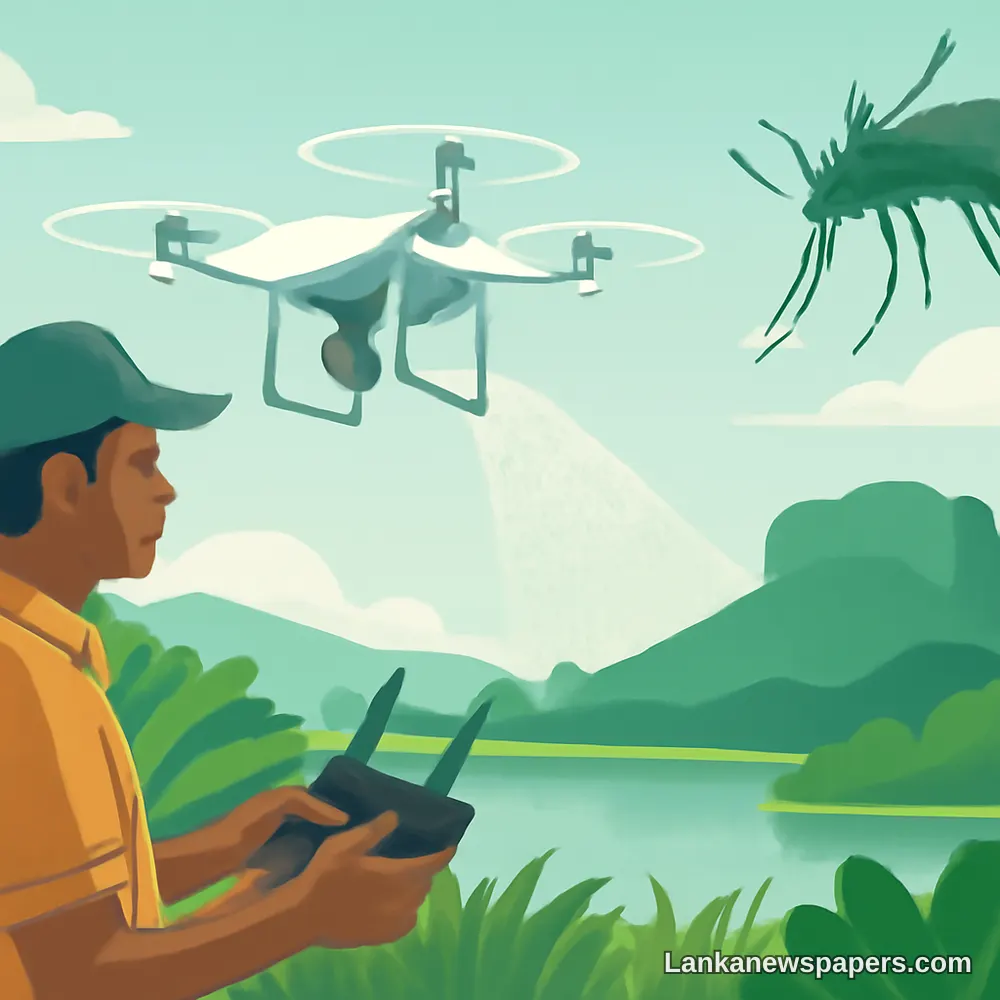
Sri Lanka has taken an unconventional but forward-thinking step in public health, deploying drones to combat one of the island nation's most persistent threats — mosquitoes and the deadly diseases they carry.
A New Weapon in an Old War
For decades, Sri Lanka has battled mosquito-borne illnesses such as dengue fever, which continues to claim lives and overwhelm hospitals across the country year after year. Now, authorities are turning to modern aerial technology in a bid to bring that fight to a new level, using unmanned drones to target mosquito breeding grounds at scale.
The drone initiative represents a significant shift in how the country approaches vector control, moving beyond traditional ground-level fumigation efforts that have long struggled to reach certain terrain and densely populated urban pockets.
How the Programme Works
The drones are deployed to identify and spray mosquito breeding sites, covering large areas far more efficiently than conventional methods allow. The technology enables health teams to target stagnant water bodies, vegetation, and other hotspots with greater precision, reducing both the time and manpower required for large-scale mosquito control operations.
- Drones can survey and spray vast areas in a fraction of the time taken by ground crews
- The technology allows access to difficult or hazardous terrain
- Precision spraying reduces the volume of chemicals needed, limiting environmental impact
A Growing Public Health Crisis
Dengue fever remains a serious public health concern in Sri Lanka, with outbreaks recorded annually across multiple provinces. The Western Province, including Colombo, has historically reported some of the highest case numbers, though the disease is by no means confined to urban centres.
Health officials have long warned that climate change and rapid urbanisation are creating more favourable conditions for mosquito breeding, making innovative solutions increasingly urgent.
Looking Ahead
The introduction of drone technology into Sri Lanka's public health arsenal signals a broader willingness to embrace innovation in tackling longstanding challenges. If proven effective, the programme could be expanded nationwide and potentially serve as a model for other countries in the South Asian region grappling with similar mosquito-borne disease burdens.
For ordinary Sri Lankans who have suffered through repeated dengue outbreaks, the sight of drones buzzing overhead may soon represent not a cause for alarm, but a welcome sign that help is on the way.


💬 Join the Discussion 0
Be the first to share your view on this story.