Wild Elephant Smashes Through Bus Windscreen in Terrifying Sri Lanka Attack
Dramatic Incident Highlights Growing Human-Elephant Conflict
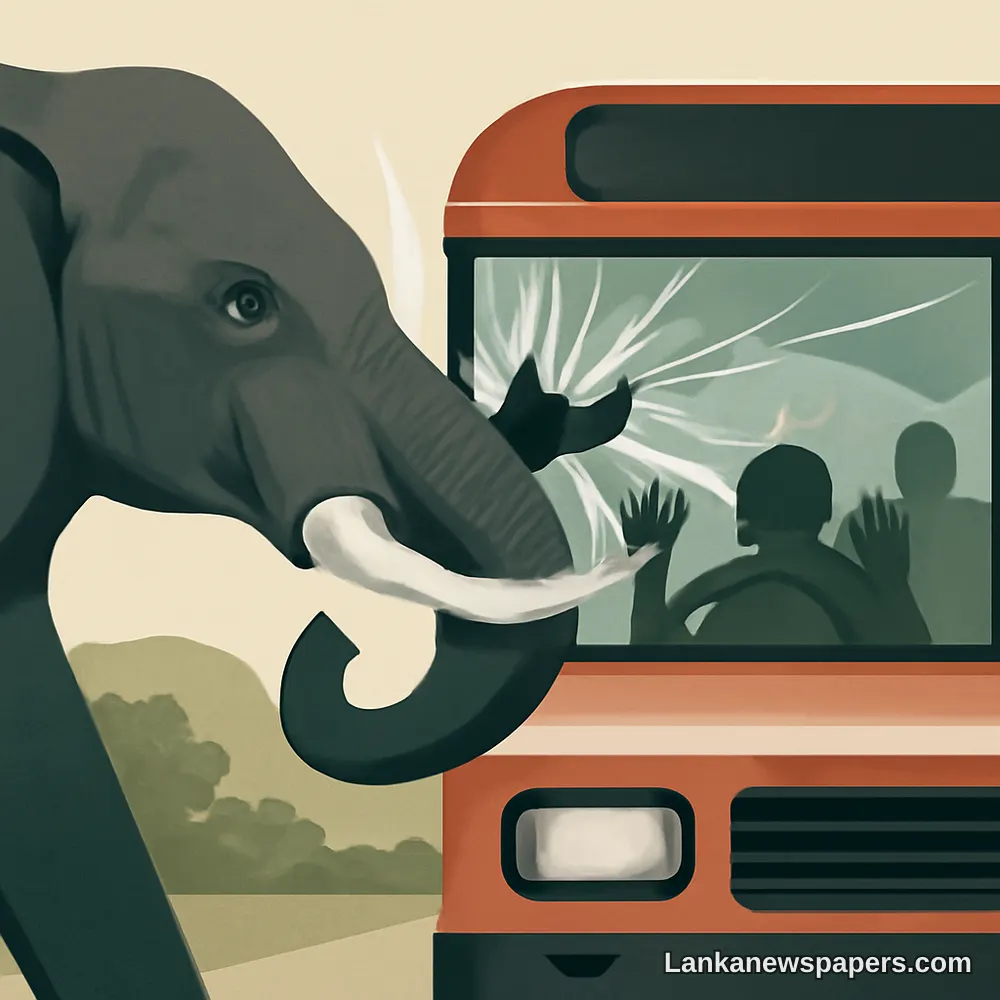
A wild elephant caused widespread panic after launching a violent attack on a passenger bus in Sri Lanka, smashing directly through the vehicle's windscreen in a frightening encounter that has once again drawn attention to the island nation's escalating human-wildlife conflict.
The dramatic incident, which left passengers in a state of shock and terror, saw the large tusker charge at the bus and thrust its head through the front windscreen, causing significant damage to the vehicle. Footage of the attack circulated widely, capturing the sheer force and unpredictability of the wild animal's behaviour.
A Recurring Danger on Sri Lankan Roads
Encounters between wild elephants and vehicles are not uncommon in Sri Lanka, particularly in areas where elephant habitats overlap with human settlements and major roadways. Regions such as the North Central and Eastern provinces are frequently affected, with elephants straying onto roads — especially during the night and early morning hours — in search of food and water.
Sri Lanka is home to one of the largest populations of Asian elephants in the world, with estimates suggesting several thousand wild elephants roam the country's forests and national parks. However, rapid deforestation and agricultural expansion have steadily eroded their natural habitat, pushing elephants into closer and more dangerous proximity with human communities.
Calls for Stronger Protective Measures
Wildlife conservationists and local authorities have repeatedly urged the government to take more decisive action to address the root causes of human-elephant conflict, including:
- Strengthening and expanding electric fence barriers along key elephant corridors
- Enforcing stricter regulations on encroachment into protected forest areas
- Improving early warning systems to alert communities and drivers of elephant movement
- Increasing funding for wildlife management and conflict mitigation programmes
Human-elephant conflict in Sri Lanka claims dozens of human lives each year, while a significant number of elephants also perish as a result of retaliatory killings, electrocution from illegal fences, and train collisions. The Department of Wildlife Conservation has acknowledged the severity of the issue, though critics argue that meaningful long-term solutions remain insufficient.
Passengers Escape Serious Injury
While full details of the latest bus attack are still emerging, the incident serves as a stark reminder of the very real dangers faced by travellers in areas bordering elephant territory. Miraculously, serious casualties appear to have been avoided, though the psychological impact on those aboard the bus at the time of the attack is likely to have been considerable.
Authorities are expected to monitor the elephant involved in the incident and assess whether it poses a continued threat to public safety in the surrounding area.
Sri Lanka's human-elephant conflict remains one of the most pressing conservation and public safety challenges facing the country, demanding urgent, coordinated action from government, wildlife officials, and local communities alike.



💬 Join the Discussion 0
Be the first to share your view on this story.