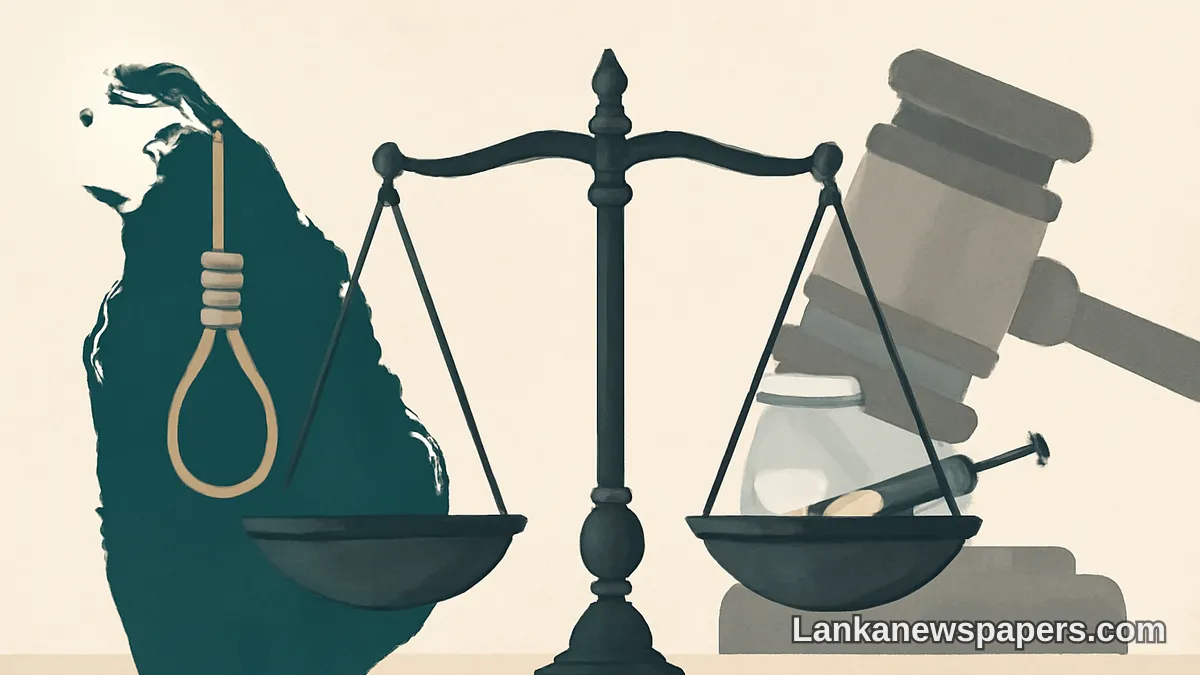
Government Explores Capital Punishment for Narcotics Offences
Sri Lanka is seriously considering the reintroduction of the death penalty for drug-related crimes, as authorities intensify their battle against the island nation's growing narcotics crisis. The proposal signals a potentially dramatic shift in the country's approach to combating drug trafficking and related offences.
A Decisive Stance on Narcotics
The move reflects mounting pressure on the Sri Lankan government to adopt stronger deterrents against drug networks that have long plagued communities across the country. Officials are weighing capital punishment as one of the most severe tools available in the fight against the narcotics trade.
Sri Lanka has not carried out an execution in decades, despite retaining the death penalty on its statute books for certain offences. Any decision to enforce it specifically for drug crimes would mark a significant and controversial policy shift that is likely to spark debate both domestically and internationally.
Rising Concerns Over Drug Trafficking
The proposal comes against the backdrop of persistent concerns about the flow of illegal drugs into Sri Lanka, with authorities regularly seizing large consignments of narcotics including heroin, methamphetamine, and cannabis. Law enforcement agencies have repeatedly highlighted the sophisticated nature of trafficking networks operating in and around the country.
- Heroin and methamphetamine remain among the most frequently seized substances at Sri Lankan ports and borders.
- Drug-related crime has been linked to wider issues of gang violence and corruption within the country.
- Previous government initiatives targeting the drug trade have yielded mixed results.
Human Rights Implications
The consideration of capital punishment for drug offences is expected to draw scrutiny from human rights organisations, many of which argue that the death penalty is disproportionate for non-violent narcotics crimes. International bodies have consistently urged countries to move away from executing individuals convicted of drug-related offences.
The debate around capital punishment for drug crimes raises fundamental questions about justice, deterrence, and human rights — questions Sri Lanka will need to carefully weigh before moving forward with any legislative changes.
What Comes Next
It remains to be seen whether the proposal will progress into formal legislation. Sri Lankan lawmakers and policymakers will need to navigate complex legal, ethical, and diplomatic considerations as discussions continue. The public and civil society are expected to play an active role in shaping the outcome of this sensitive national conversation.



💬 Join the Discussion 3
See what readers are saying — and add your view.
Who decides who gets executed? Corrupt police will misuse this for sure.
Finally. These drug dealers have no fear now, this will change things.
Will it though? Goverment been talking tough for years, nothing changes.