Sri Lanka Moves to Abolish Indelible Ink Requirement at Polling Stations
Government Pushes Ahead With Electoral Law Change
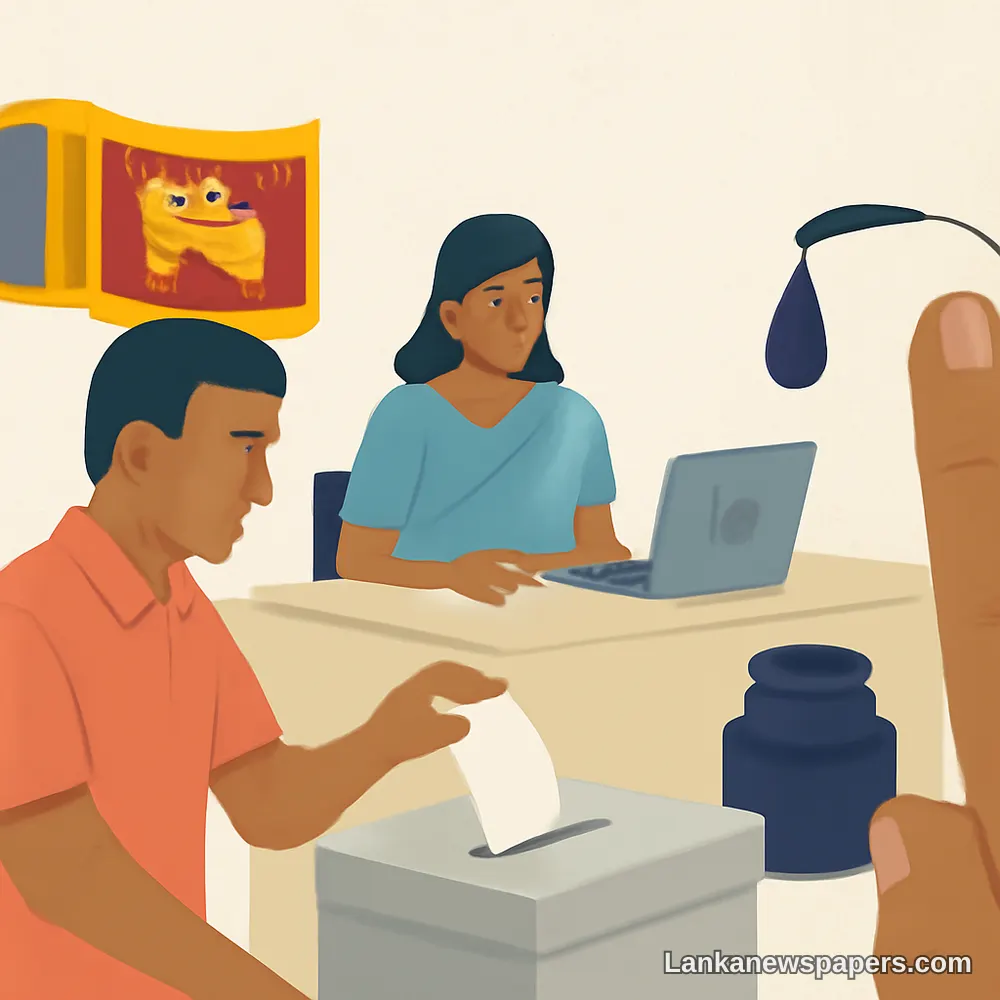
The Sri Lankan government is moving swiftly to dismantle one of the most enduring traditions of the country's electoral process — the use of indelible ink to mark voters' fingers at polling stations. Authorities are said to be fast-tracking the necessary legal amendments to remove this long-standing requirement from the books.
A Practice With Deep Roots
The application of indelible ink on a voter's finger has been a cornerstone of Sri Lanka's election administration for decades. The practice was designed as a straightforward and visible safeguard against double voting, offering polling officials and observers an immediate, low-cost method of confirming whether an individual had already cast a ballot. For generations of Sri Lankan voters, the ink-stained finger has been a familiar symbol of civic participation.
Questions Surrounding the Decision
While the government has cited reasons for moving away from the ink requirement, the decision has prompted questions among electoral observers and the wider public about what safeguards will be put in place to replace it. Critics argue that scrapping a tried and tested anti-fraud measure demands a thorough and transparent public debate, as well as robust alternative mechanisms to protect the integrity of the vote.
Sri Lanka's electoral history has not been without controversy, and any move that alters the foundational mechanics of how votes are cast and verified is likely to draw close scrutiny from opposition parties, civil society groups, and international election monitors alike.
What Comes Next
The government has indicated that legislative amendments are being prepared with urgency. However, details of what replacement verification systems — whether biometric, digital, or otherwise — may be introduced remain unclear at this stage. Electoral reform experts stress that transparency in this process is essential to maintaining public confidence in future polls.
As Sri Lanka continues to navigate a period of significant political and economic transition, changes to the machinery of democracy will be watched carefully by citizens and observers who regard free and fair elections as a non-negotiable foundation of the republic.

💬 Join the Discussion 0
Be the first to share your view on this story.