Sri Lanka Records Over 1,000 Dengue Cases in Single Day as Health Authorities Sound Alarm
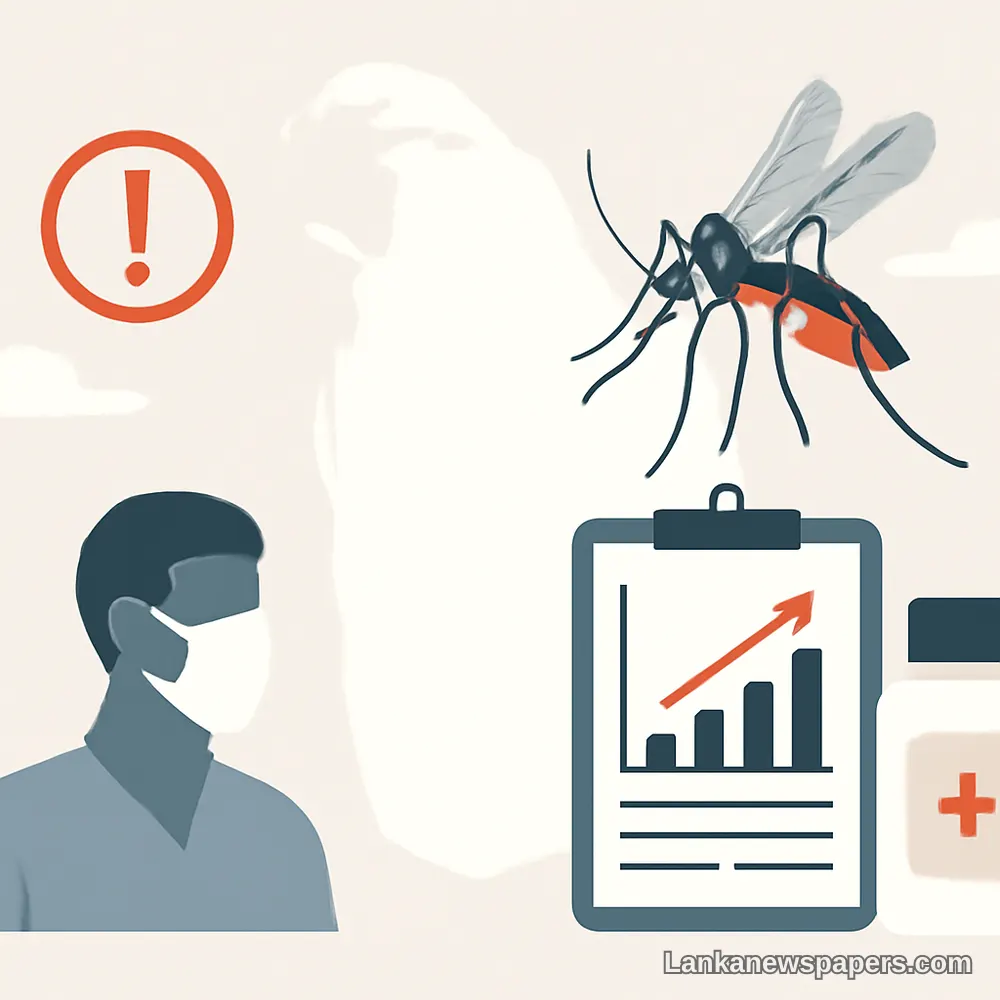
Alarming Spike in Dengue Infections Raises Public Health Concerns
Sri Lanka has recorded more than 1,000 dengue fever cases within a single 24-hour period, prompting urgent warnings from health experts across the country about the growing threat posed by mosquito breeding grounds.
The sharp single-day surge has alarmed public health officials, who are calling on communities, local authorities, and households to take immediate preventive action to curb the rapid spread of the mosquito-borne illness.
Mosquito Breeding Sites at the Heart of the Crisis
Health experts have pointed to unchecked mosquito breeding environments as a primary driver behind the escalating outbreak. Stagnant water collections in and around homes, construction sites, and public spaces are believed to be providing ideal conditions for the Aedes aegypti mosquito — the principal carrier of the dengue virus — to multiply at dangerous rates.
Authorities are urging residents to inspect their surroundings regularly and eliminate any standing water in containers, flowerpots, discarded tyres, gutters, and other potential breeding spots.
A Recurring Seasonal Challenge
Dengue fever remains one of Sri Lanka's most persistent public health challenges, with outbreaks typically intensifying during and after periods of heavy rainfall. The current spike has raised concerns that this season's toll could be significantly higher than in previous years if immediate containment measures are not enforced.
Medical professionals are reminding the public to seek prompt medical attention if they experience symptoms such as sudden high fever, severe headaches, pain behind the eyes, joint and muscle pain, rashes, or signs of bleeding.
What the Public Can Do
- Remove all sources of stagnant water around homes and workplaces
- Use mosquito repellents and wear protective clothing, especially during dawn and dusk
- Ensure water storage containers are tightly covered at all times
- Report suspected dengue symptoms to a healthcare provider without delay
- Support community-level clean-up drives to eliminate breeding sites in public areas
Authorities Urge Collective Responsibility
Health officials have stressed that combating dengue requires a coordinated effort between government institutions and the general public. While vector control operations and awareness campaigns are being ramped up, experts emphasise that household-level vigilance is equally critical in breaking the cycle of transmission.
Dengue prevention is not solely the government's responsibility — every household has a role to play in keeping their surroundings free of mosquito breeding sites.
As the situation continues to develop, health authorities are monitoring case numbers closely and are expected to issue further guidance in the coming days.



💬 Join the Discussion 2
See what readers are saying — and add your view.
goverment always sound alarm AFTER the problem starts, not before
exactly, every year same thing, nothing changes