Trump Says Iran Will Not Collect Strait of Hormuz Tolls — But America Might
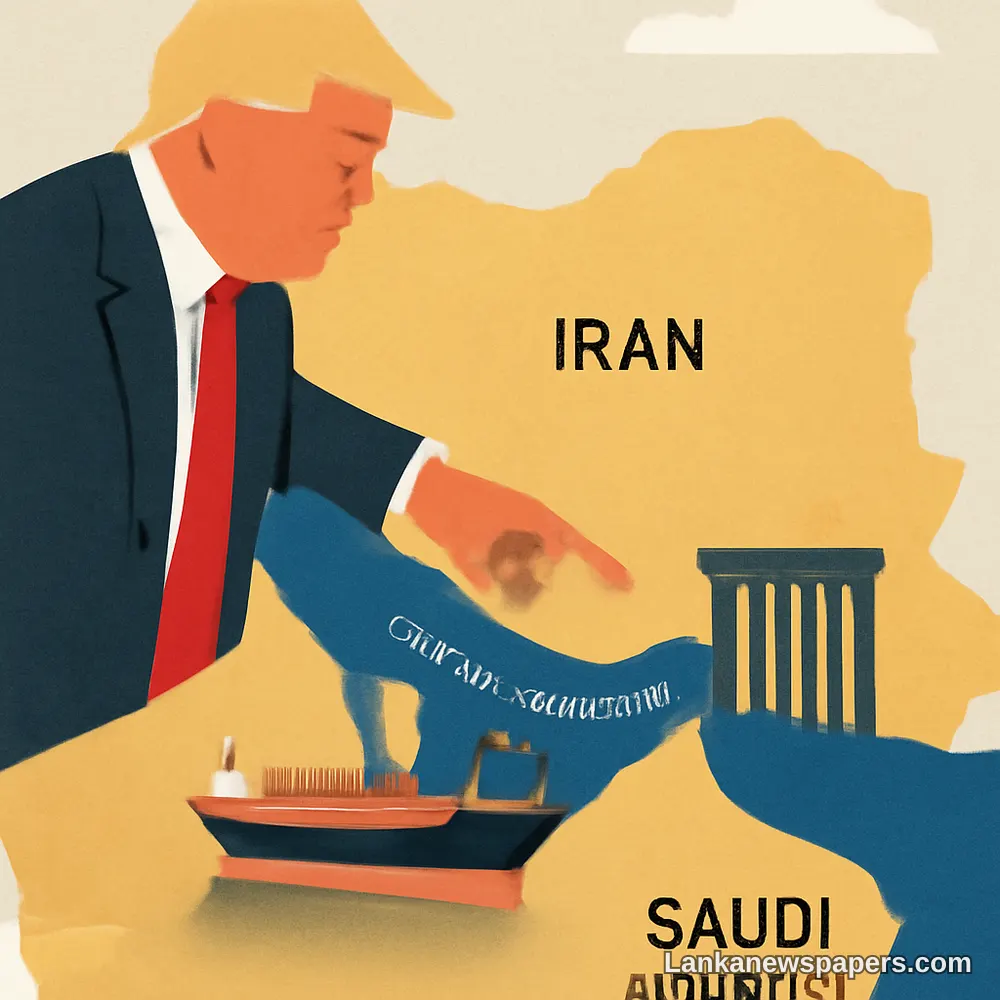
United States President Donald Trump has declared that Iran will not be permitted to impose tolls on vessels passing through the Strait of Hormuz — though he left open the possibility that the United States itself could do so.
The remarks, posted on Saturday afternoon via Trump's Truth Social platform, represent the latest development in an escalating standoff over one of the world's most strategically critical maritime passages. The Strait of Hormuz, a narrow waterway between the Persian Gulf and the Gulf of Oman, is a vital artery for global oil shipments, with roughly a fifth of the world's petroleum supply transiting through it daily.
A Bold Declaration on Maritime Access
Trump's post drew a sharp distinction between what he views as Iran's illegitimate authority over the strait and what he appeared to suggest could be a legitimate American claim. While he gave no detailed outline of how the United States might collect such tolls, the statement signals an assertive posture towards Tehran at a particularly sensitive moment in diplomatic relations between the two nations.
The declaration comes on the heels of a recently signed memorandum, indicating that the Trump administration is actively formalising its strategic approach to the region rather than issuing mere rhetoric.
Why This Matters for Sri Lanka and the Region
For Sri Lanka, which depends heavily on oil imports transiting through the Persian Gulf, any disruption or new cost regime in the Strait of Hormuz could have significant economic consequences. A toll structure — regardless of which power enforces it — would likely add to shipping costs that are ultimately passed on to consumers across Asia, including Sri Lankans already grappling with the aftermath of a severe economic crisis.
Analysts have long warned that the Strait of Hormuz remains one of the most volatile chokepoints in global trade. Any move to commercialise passage rights would mark an unprecedented shift in international maritime norms.
Iran Yet to Formally Respond
At the time of publication, Iranian officials had not issued a formal public response to Trump's remarks. However, Tehran has historically pushed back firmly against any suggestion that external powers hold authority over the strait, asserting its own sovereign rights over the waterway alongside Oman.
The international community is expected to watch closely as the situation develops, with particular attention from Gulf states, major oil importers, and global shipping companies who rely on unimpeded access through the strategically indispensable passage.



💬 Join the Discussion 0
Be the first to share your view on this story.