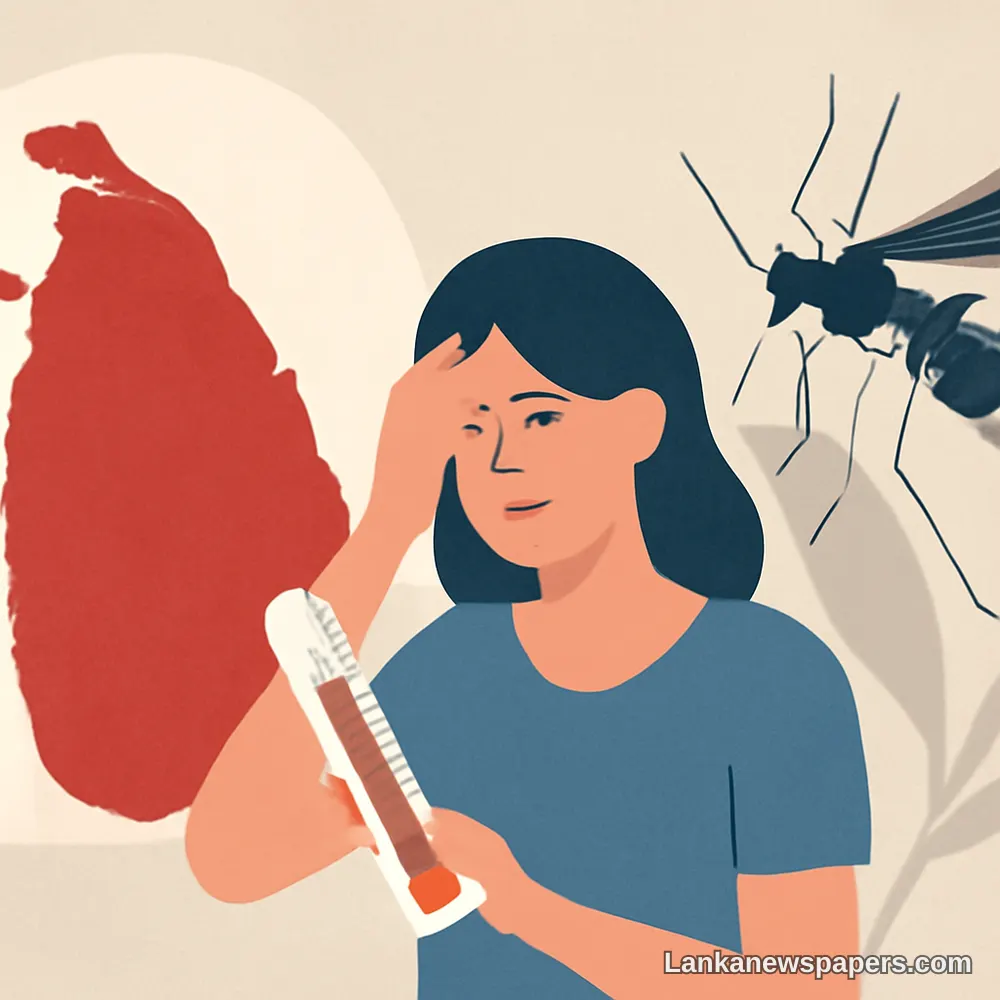
Alarming Surge in Dengue Infections Raises Public Health Concerns
Sri Lanka is grappling with a severe dengue fever outbreak this year, with confirmed cases surpassing the 44,000 mark — a figure that has alarmed health authorities and medical professionals across the island.
While dengue is no stranger to Sri Lanka, particularly during the monsoon season when warm and humid conditions create ideal breeding grounds for the Aedes mosquito, this year's outbreak has proven to be significantly more intense than in previous years. Experts attribute the sharp rise in infections to an exponential growth in the mosquito population that transmits the disease.
Monsoon Conditions Fuelling the Outbreak
The annual monsoon rains, which bring much-needed relief from the heat, also create widespread pools of stagnant water — perfect habitats for mosquito breeding. This year, those conditions have combined with other environmental factors to drive mosquito numbers to exceptionally high levels, accelerating the spread of the virus across multiple districts.
Health authorities have urged the public to remain vigilant and take immediate preventive measures to curb the further spread of the disease.
What the Public Can Do
Residents are strongly encouraged to take the following precautions to protect themselves and their communities:
- Eliminate stagnant water from flowerpots, tyres, and other containers around the home
- Use mosquito repellents and wear protective clothing, especially during dawn and dusk
- Ensure proper covering of water storage tanks and barrels
- Seek immediate medical attention if symptoms such as high fever, severe headache, or joint pain develop
A Growing National Concern
With cases continuing to climb, the outbreak poses a significant burden on Sri Lanka's healthcare system, which is already under considerable strain. Health officials are calling on local government bodies, community organisations, and individual citizens to work together in mounting a coordinated response before the situation deteriorates further.
The coming weeks will be critical in determining whether the outbreak can be brought under control, as the monsoon season is yet to fully subside in many parts of the country.



💬 Join the Discussion 1
See what readers are saying — and add your view.
goverment always sleeping until things get this bad no