Sri Lanka's Garment Sector Powers Ahead with $2.2 Billion in Exports for First Half of 2026
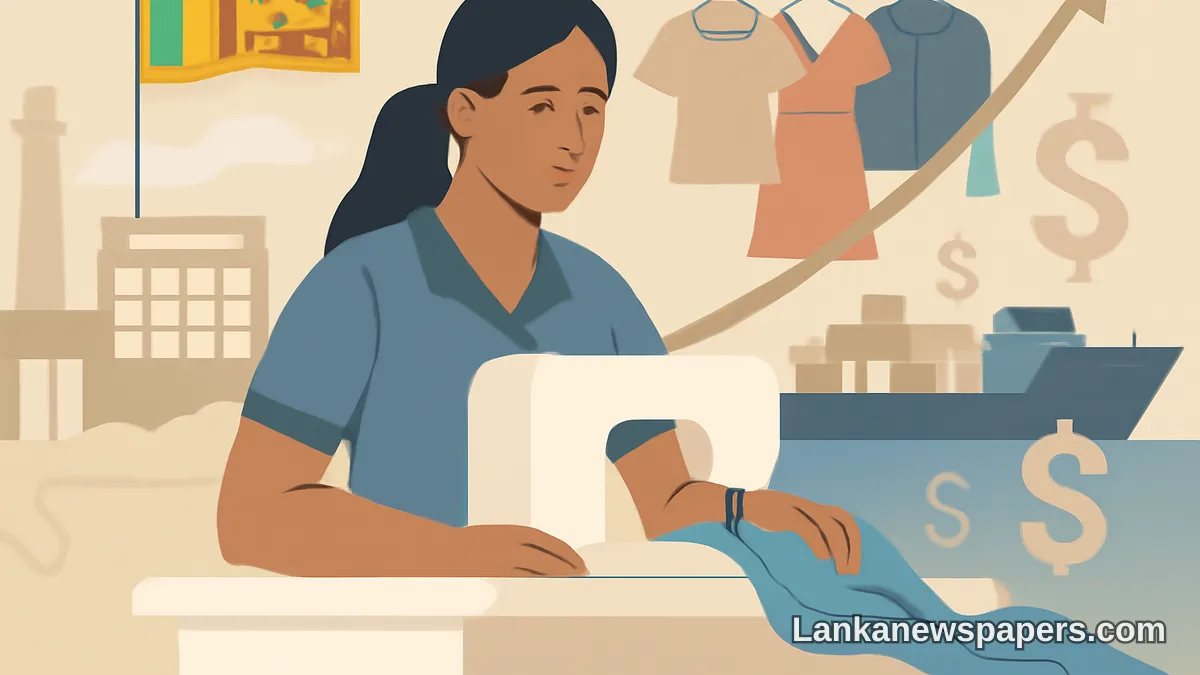
Sri Lanka's apparel industry has recorded a strong performance in the first half of 2026, with garment exports reaching $2.2 billion, underscoring the sector's continued importance as a cornerstone of the island nation's economy.
A Vital Industry Holds Firm
The garment and apparel sector has long been one of Sri Lanka's most significant sources of foreign exchange earnings, and the latest figures reaffirm its resilience amid a challenging global economic climate. The $2.2 billion figure recorded between January and June 2026 reflects the sustained demand for Sri Lankan-made clothing in key international markets.
Sri Lanka's apparel manufacturers have built a reputation over decades for producing high-quality garments, particularly in the premium and ethical manufacturing segments. The country's producers have increasingly positioned themselves as suppliers committed to sustainability and fair labour practices, which has helped maintain strong relationships with major global fashion brands.
Key Markets Driving Demand
The United States and the European Union remain the dominant destinations for Sri Lankan garment exports, with buyers in those regions continuing to source heavily from local manufacturers. Industry stakeholders have noted that diversification efforts into newer markets have also begun to bear fruit.
Challenges and Outlook
Despite the encouraging headline numbers, the industry continues to navigate headwinds including rising production costs, global inflationary pressures, and shifting trade policies in key buyer nations. Exporters have also flagged concerns around energy costs and the need for continued investment in modernising manufacturing facilities.
Nevertheless, the sector's performance in the first half of 2026 provides cautious optimism for industry stakeholders and policymakers alike, as Sri Lanka continues its broader economic recovery journey. Maintaining momentum in the second half of the year will be critical to meeting full-year export targets and sustaining the livelihoods of the hundreds of thousands of workers employed across the island's garment factories.



💬 Join the Discussion 2
See what readers are saying — and add your view.
Good news but workers getting minimum wage only no? where is their share
exactly, factory owners pocketing everything as usual