Sri Lanka Ushers in New Era of Insolvency Reform as Landmark Legislation Takes Effect
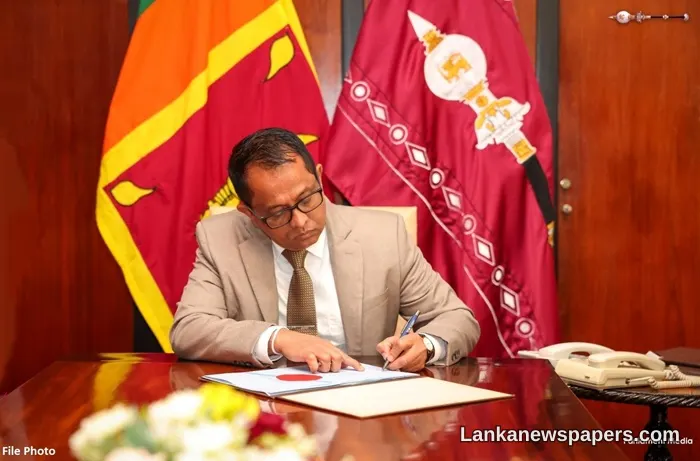
Sri Lanka has taken a significant step forward in reshaping its legal and financial landscape, as a sweeping new insolvency law officially came into force following the endorsement of Parliament Speaker Jagath Wickramaratne.
The Rescue, Rehabilitation and Insolvency (Corporate and Personal) Bill has now been enacted into law, marking a milestone moment for the country's business and legal communities. The legislation introduces a comprehensive framework governing how both companies and individuals in financial distress are handled under Sri Lankan law.
A Long-Awaited Overhaul
Sri Lanka's previous insolvency regime had long been criticised as outdated and ill-equipped to deal with the complexities of modern commerce. The new law is widely seen as a much-needed modernisation that brings the country's practices closer in line with international standards.
The legislation is expected to benefit a broad range of stakeholders, including creditors, debtors, investors, and financial institutions, by providing clearer and more structured legal pathways for resolving insolvency situations.
Key Aspects of the New Law
- The law covers both corporate entities and individual persons facing insolvency.
- It introduces formal rescue and rehabilitation mechanisms, giving distressed businesses an opportunity to restructure before resorting to liquidation.
- The legislation is designed to offer greater transparency and predictability in insolvency proceedings.
Significance for Sri Lanka's Economic Recovery
The enactment of this law comes at a particularly important juncture for Sri Lanka, as the country continues its efforts to stabilise and rebuild its economy following the severe economic crisis of recent years. A robust and modern insolvency framework is considered a key element in restoring investor confidence and supporting sustainable economic growth.
Legal and financial experts have pointed out that the new legislation could play a pivotal role in reducing non-performing loans within the banking sector and encouraging entrepreneurship by removing some of the fear associated with business failure.
The introduction of formal rescue and rehabilitation provisions is especially noteworthy, as it signals a shift in philosophy — from simply winding up failed businesses to actively seeking ways to save viable enterprises and preserve employment.
With the Speaker's formal certification now complete, relevant authorities and institutions are expected to move swiftly to implement the necessary regulatory and procedural frameworks to support the law's operation in practice.
The passing of this legislation represents a landmark development in Sri Lanka's ongoing efforts to modernise its commercial legal infrastructure and build a more resilient and investor-friendly economy.



💬 Join the Discussion 0
Be the first to share your view on this story.