Sri Lanka Government Seeks Control of EPF and ETF Through Proposed Tripartite Board Structure
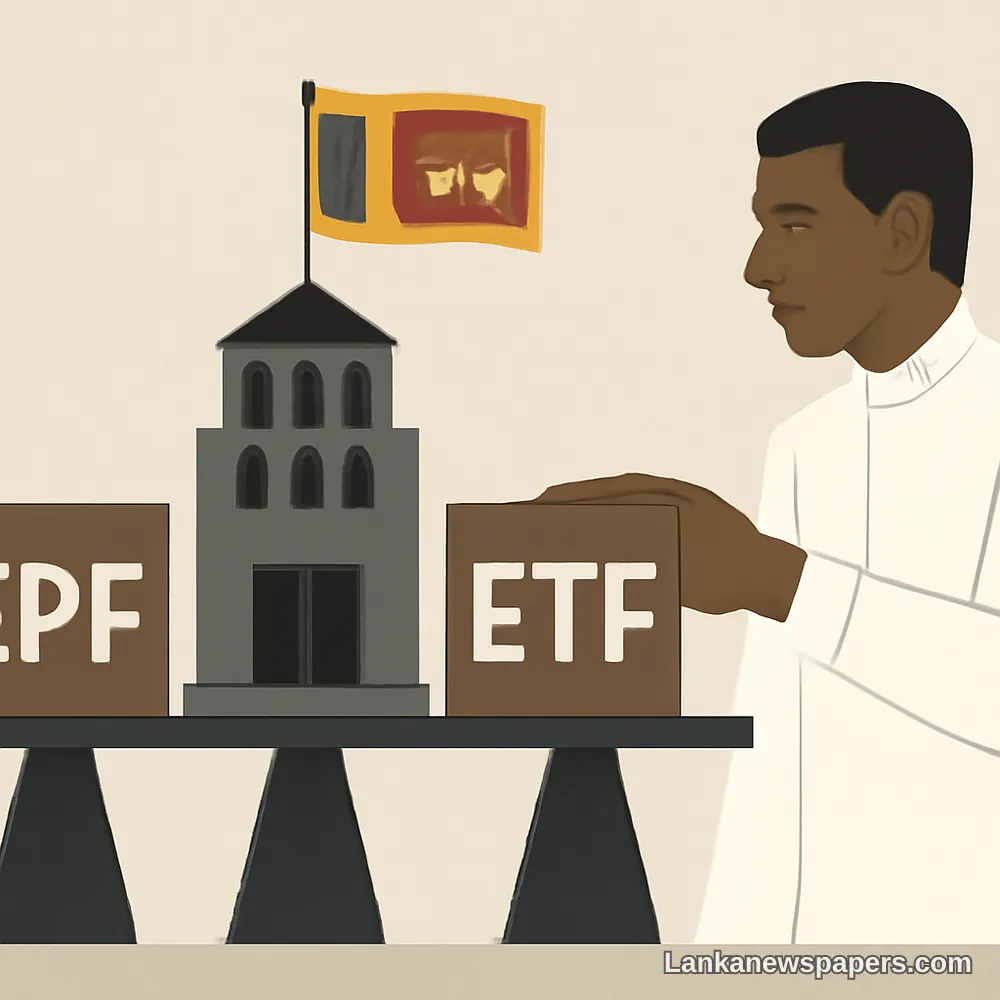
The Sri Lankan government is moving to assert greater control over two of the country's largest worker welfare funds — the Employees' Provident Fund (EPF) and the Employees' Trust Fund (ETF) — through a proposed tripartite board arrangement, according to reports.
What Is Being Proposed?
Under the proposed structure, a tripartite board would be established to oversee the management of both the EPF and ETF. Such a board typically brings together representatives from the government, employers, and employees under a single governing body — a framework common in labour-related institutions across the region.
The move signals the government's intention to centralise oversight of these funds, which collectively hold billions of rupees in retirement and welfare savings belonging to millions of Sri Lankan workers in the private sector.
Why It Matters
The EPF, managed by the Central Bank of Sri Lanka, is the single largest pension fund in the country. The ETF, administered separately, provides additional welfare benefits to employees. Together, they represent a substantial portion of Sri Lanka's domestic financial assets and are considered critical safety nets for the working population.
Any shift in governance over these funds is likely to draw close scrutiny from trade unions, employer organisations, and financial analysts, particularly given Sri Lanka's ongoing economic recovery and the importance of maintaining public trust in worker savings institutions.
Concerns and Stakeholder Reactions
Labour rights advocates and trade union representatives have historically been cautious about government intervention in fund management, citing concerns over transparency, investment decisions, and the protection of beneficiaries' interests. A tripartite model, while inclusive in theory, raises questions about the balance of power between the three stakeholder groups involved.
- The EPF currently serves millions of private sector employees across Sri Lanka.
- The ETF provides supplementary benefits including healthcare and housing assistance.
- Both funds have faced scrutiny in past years over investment performance and governance practices.
As the proposal develops, workers, employers, and civil society groups are expected to demand greater clarity on how decision-making authority will be distributed within the new board structure, and what safeguards will be put in place to protect fund members from potential mismanagement.
Further details on the legislative or regulatory framework underpinning the tripartite board are yet to be made public by the government.



💬 Join the Discussion 3
See what readers are saying — and add your view.
what is tripartite board actually? workers have any real say or just show?
goverment touching our EPF means our money gone for sure
exactly, they will use it for some project and we never see it again