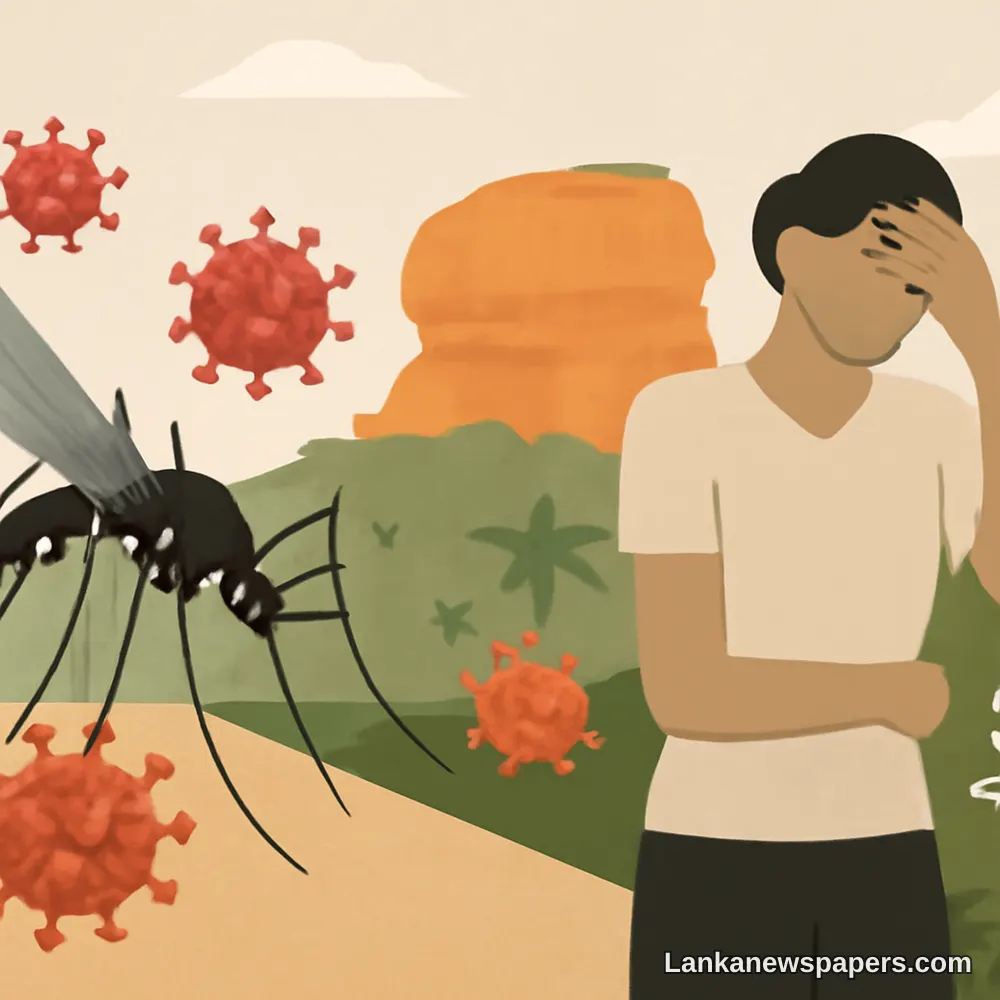
Emerging Dengue Variant Poses Fresh Public Health Challenge
Sri Lanka is facing a heightened public health threat following the emergence of a new dengue strain that experts warn could significantly increase infection rates across the country. Health authorities are urging the public to take immediate preventive action as the new variant raises concerns among medical professionals.
Why This Strain Is a Cause for Concern
Dengue fever has long been a recurring seasonal burden for Sri Lanka, particularly during wet weather periods when mosquito breeding conditions are at their peak. However, the appearance of a new strain introduces an additional layer of risk, as populations that may have developed partial immunity to previously circulating strains could find themselves vulnerable once again.
Medical experts note that individuals who have previously contracted dengue may not be fully protected against a new or different strain of the virus, and in some cases, a secondary infection can lead to more severe complications such as dengue haemorrhagic fever.
Preventive Measures Remain Critical
Health officials are reminding the public that prevention continues to be the most effective line of defence against dengue. Key steps recommended include:
- Eliminating stagnant water sources around homes, schools, and workplaces where Aedes mosquitoes breed
- Using mosquito repellents and wearing long-sleeved clothing, particularly during dawn and dusk hours
- Ensuring proper disposal of water-retaining containers such as tyres, flower pots, and polythene
- Seeking immediate medical attention if symptoms such as high fever, severe headaches, or joint pain develop
Authorities on Alert
The Ministry of Health and relevant regional health services are closely monitoring the spread of the new strain and are expected to issue updated guidance as more data becomes available. Community-level vector control programmes are being reinforced in high-risk districts to curb further transmission.
Sri Lankans are urged to remain vigilant, cooperate with local health officers, and report any unusual clusters of fever cases within their communities to help authorities respond swiftly and effectively.



💬 Join the Discussion 3
See what readers are saying — and add your view.
which areas affected most? my kids school is in colombo 7
goverment should spray the drains properly la, every year same thing
exactly, all talk no action, dengue cases increasing still