Sri Lanka Abstains in UN Vote to Renew Human Rights Chief Volker Türk's Mandate
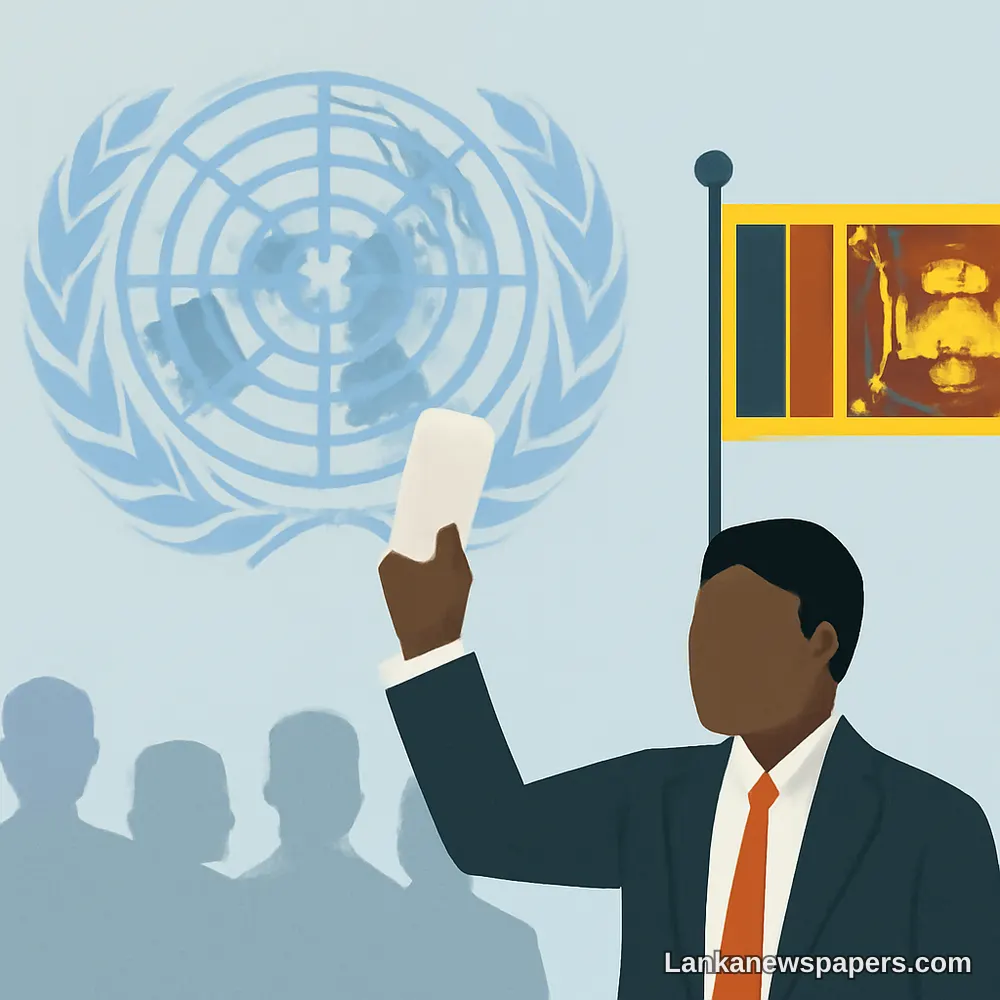
Sri Lanka chose to abstain from a United Nations vote that extended the mandate of High Commissioner for Human Rights Volker Türk, signalling the island nation's continued unease with international scrutiny of its human rights record.
A Deliberate Stance at the UN
The vote, held at the United Nations Human Rights Council, saw member states back the renewal of Türk's mandate as the world body's top human rights official. Sri Lanka, however, declined to vote in favour, opting instead to abstain — a position widely interpreted as a diplomatic signal of displeasure rather than outright opposition.
The abstention reflects Sri Lanka's longstanding wariness of the UN human rights machinery, which has for years pressed Colombo on accountability for alleged war crimes and human rights violations during the final stages of the civil war against the Liberation Tigers of Tamil Eelam (LTTE), which ended in 2009.
Context of Sri Lanka's Position
Sri Lanka has consistently pushed back against what successive governments have described as politically motivated international interference in domestic affairs. The country has faced repeated scrutiny at the Human Rights Council, with resolutions calling for independent investigations into alleged atrocities committed during the conflict.
Under Volker Türk, the UN human rights office has continued to press Sri Lanka on transitional justice, the treatment of Tamil communities in the north and east, and broader civil liberties concerns including surveillance of activists and journalists.
- Sri Lanka abstained rather than voting against, preserving a degree of diplomatic flexibility.
- The abstention aligns with Colombo's broader policy of resisting externally mandated accountability mechanisms.
- Tamil civil society groups and diaspora organisations are likely to view the abstention critically.
Wider Implications
The decision to abstain rather than support the mandate renewal will draw attention from Tamil political parties within Sri Lanka, as well as from the international community watching Colombo's engagement with human rights bodies. Critics argue that abstentions on such votes amount to tacit resistance to accountability processes that victims of the conflict have long demanded.
The Sri Lankan government has not issued an immediate public statement explaining the reasoning behind its abstention, though officials have previously argued that domestic mechanisms are sufficient to address reconciliation and accountability needs.
With Türk's mandate now extended, international focus on Sri Lanka's human rights situation is expected to continue, keeping pressure on Colombo as it navigates its relationships with Western nations, regional powers, and international institutions.


💬 Join the Discussion 0
Be the first to share your view on this story.