Tamil Rapper Hip-hop Sangee Arrested and Released Under Sri Lanka's Terror Laws Over Song Controversy
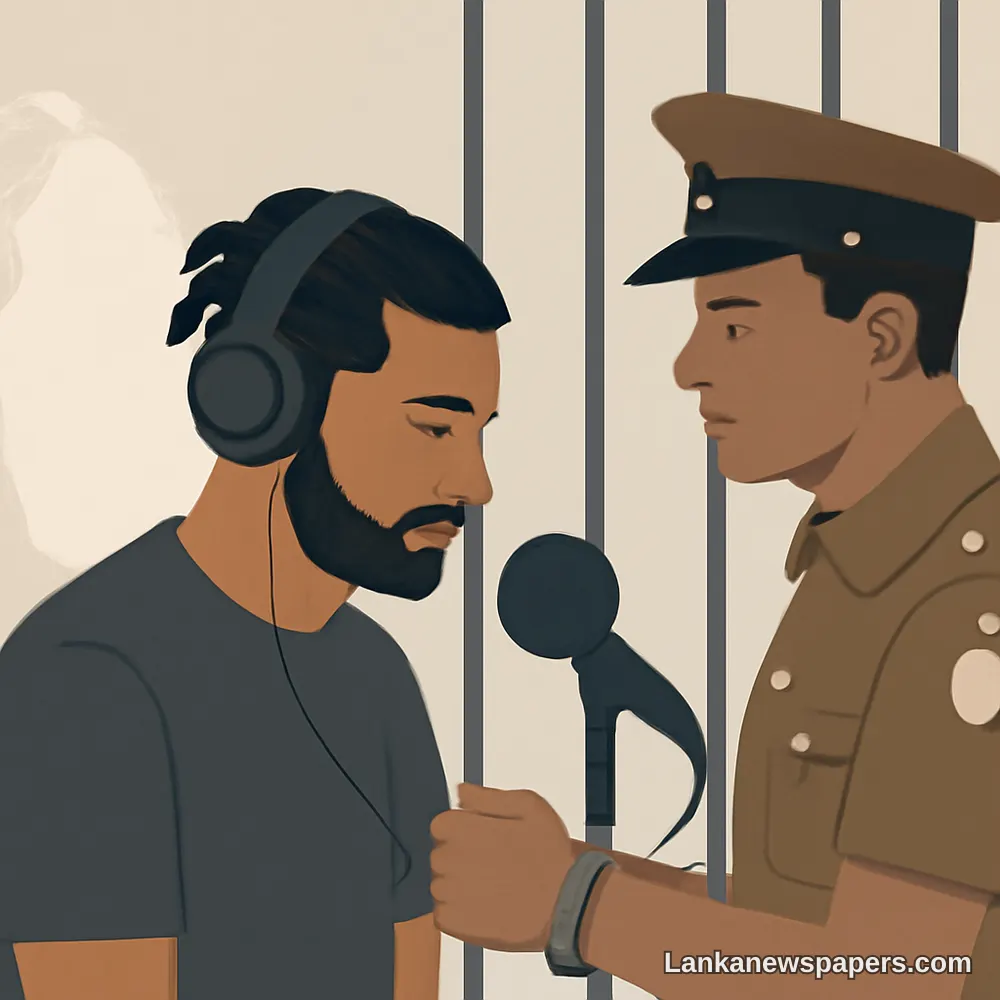
A Tamil rapper known by the stage name Hip-hop Sangee found himself at the centre of a significant legal controversy in Sri Lanka after being arrested under the country's terror legislation in connection with one of his songs, before subsequently being released.
The Arrest
Authorities detained Hip-hop Sangee citing provisions under Sri Lanka's Prevention of Terrorism Act, a law that has long drawn scrutiny from human rights advocates for its broad application. The arrest stemmed from concerns raised over content in a song released by the artist, which officials deemed potentially problematic under the existing legal framework.
Music as a Flashpoint
The case has drawn considerable attention across Sri Lanka's Tamil community and among free expression advocates, reigniting debate over the boundaries of artistic freedom in the country. Hip-hop and rap music have increasingly become vehicles for social and political commentary among younger Tamil artists, making such arrests particularly sensitive.
Release and Ongoing Concerns
Hip-hop Sangee was subsequently released following his detention. However, his arrest has prompted broader questions about how anti-terror legislation is being applied to artistic expression, and whether musicians and creators face disproportionate scrutiny under laws originally designed to address armed threats.
The incident has become a focal point for discussions around civil liberties, minority rights, and the space available for Tamil cultural expression within Sri Lanka's legal landscape.
Wider Implications
Civil society groups and media freedom organisations are closely watching developments in this case. Many argue that invoking terror laws against a musician over song content sets a concerning precedent that could have a chilling effect on artistic communities, particularly among minority groups in the country.
The case continues to be monitored by those advocating for press freedom, artistic liberty, and the protection of minority cultural rights in Sri Lanka.

💬 Join the Discussion 2
See what readers are saying — and add your view.
using terror laws for a song is too much no? this is overkill
but what was in the song exactly? cant judge without knowing the lyrics