Caught Between Giants: Sri Lanka's Submarine Security Dilemma in the Indian Ocean
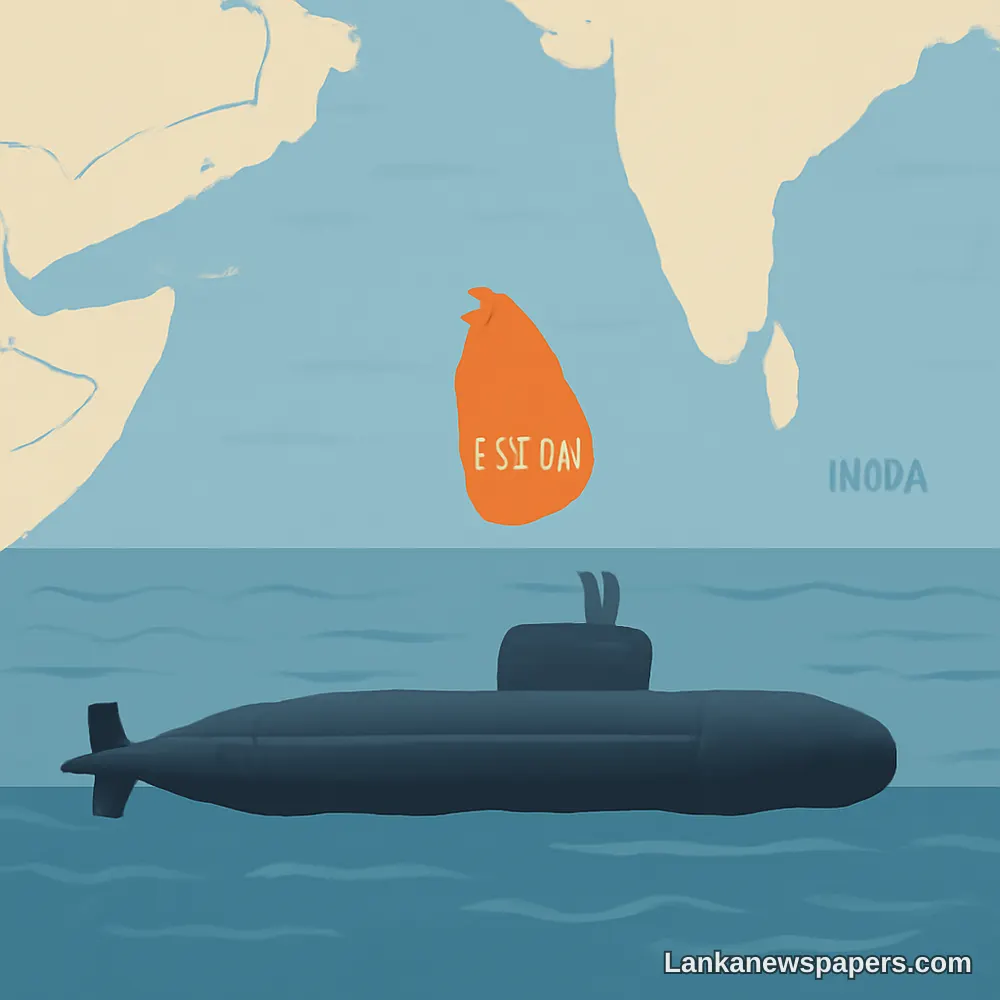
A Small Island in a Big Ocean Game
Sri Lanka finds itself navigating increasingly treacherous geopolitical waters as great power rivalry intensifies across the Indian Ocean region. The island nation, strategically positioned along some of the world's busiest maritime trade routes, faces a delicate balancing act as both India and China expand their naval presence — including submarine activity — in the waters surrounding the island.
The Submarine Question
The presence of foreign submarines in Sri Lankan waters has long been a sensitive subject for Colombo. The island's ports and coastline sit at a critical juncture between the Arabian Sea and the Bay of Bengal, making Sri Lanka an attractive destination for naval vessels of all varieties. When Chinese submarines have docked at Colombo port in past years, the visits triggered sharp diplomatic protests from New Delhi, underscoring just how fraught the issue remains.
For Sri Lanka, the challenge is not merely logistical or military — it is fundamentally political. Allowing one power's submarines access while denying another risks damaging carefully cultivated bilateral relationships with neighbours and trading partners alike.
India's Watchful Eye
India regards the Indian Ocean as its strategic backyard and has historically been sensitive to any external naval presence near Sri Lankan shores. New Delhi has made no secret of its concerns about Chinese naval expansionism under the so-called String of Pearls strategy — a network of Chinese-backed ports and facilities stretching from the South China Sea to the Horn of Africa, with Sri Lanka's Hambantota port featuring prominently in that narrative.
India's geographic proximity means that developments in Sri Lankan waters carry immediate security implications for Indian naval planners. Any perception that Colombo is tilting toward Beijing on matters of port access or naval cooperation draws swift attention from across the Palk Strait.
China's Maritime Ambitions
China, for its part, has invested heavily in Sri Lanka's infrastructure through its Belt and Road Initiative, most notably through the controversial 99-year lease arrangement at Hambantota port. Beijing frames its naval activities as routine and legitimate, insisting that its growing presence in the Indian Ocean is driven purely by commercial and humanitarian interests. However, regional security analysts remain unconvinced, pointing to the dual-use potential of port infrastructure and the steady expansion of the People's Liberation Army Navy's blue-water capabilities.
Sri Lanka's Unenviable Position
Colombo has consistently maintained a policy of non-alignment, insisting that Sri Lankan territory will not be used for activities that threaten any neighbouring country. In practice, however, walking that tightrope grows ever more difficult as both India and China press for greater strategic assurances.
Sri Lanka's economic vulnerabilities add further complexity to the picture. Having emerged from a devastating financial crisis, the country relies heavily on support from both New Delhi and Beijing, as well as from Western-backed institutions such as the International Monetary Fund. Antagonising any major partner carries real economic consequences that a recovering nation can ill afford.
The Broader Indian Ocean Context
The dilemma facing Sri Lanka is not unique. Several smaller Indian Ocean nations find themselves similarly squeezed between competing great power interests. What makes Sri Lanka's situation particularly acute is the combination of its central geographic location, its significant Chinese-financed debt obligations, and the deep cultural and economic ties it shares with India.
- Sri Lanka sits astride major east-west shipping lanes connecting Europe, the Middle East, and Asia.
- Hambantota port, leased to a Chinese state-owned enterprise, remains a focal point of regional security concern.
- India has stepped up its own naval patrols and surveillance activities in Sri Lankan waters in recent years.
- Western powers, including the United States, have engaged Colombo on maritime security cooperation as part of broader Indo-Pacific strategies.
A Policy Tightrope
Sri Lanka's leadership understands that the country's long-term security and prosperity depend on maintaining workable relationships with all major powers simultaneously. Yet as military competition in the Indian Ocean intensifies, the space for genuine non-alignment continues to narrow. The whales — in this case, the great naval powers — are circling ever closer, and the island must navigate their currents with considerable skill if it is to preserve both its sovereignty and its stability.
Sri Lanka's strategic location, once considered a blessing for trade and tourism, is increasingly becoming the source of its most pressing security anxieties.
How Colombo manages these competing pressures in the years ahead will have consequences not only for Sri Lanka itself, but for the broader balance of power across the entire Indian Ocean region.


💬 Join the Discussion 0
Be the first to share your view on this story.