Sri Lankan Court Summons Former Navy Officer in Long-Pending 2008 Disappearances Case
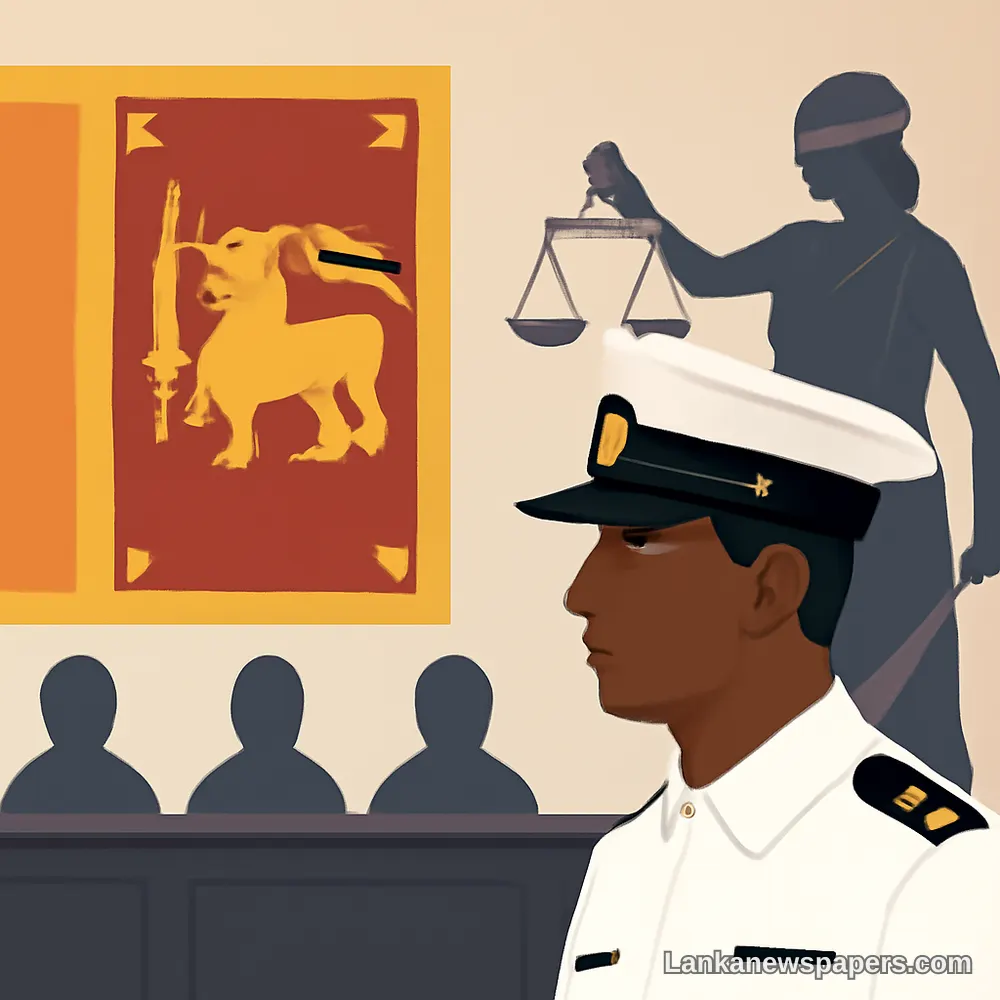
A Sri Lankan court has issued a summons against a former naval officer in connection with a series of enforced disappearances that took place in 2008, reviving a case that has haunted victims' families for nearly two decades.
Case Background
The disappearances, which occurred during the final and most intense phase of Sri Lanka's civil conflict, have long been a source of anguish for those who lost loved ones without any official acknowledgement or accountability. Families of the missing have persistently sought justice through the country's legal system, keeping pressure on authorities to pursue those allegedly responsible.
The summoning of the former navy officer marks a significant procedural step in a case that critics and human rights advocates have argued has moved far too slowly through the judicial process.
Calls for Accountability
Sri Lanka has faced sustained international scrutiny over alleged wartime abuses, including enforced disappearances, extrajudicial killings, and the treatment of civilians during the final stages of the armed conflict against the Liberation Tigers of Tamil Eelam (LTTE).
Human rights organisations have repeatedly called on successive Sri Lankan governments to ensure that those responsible for disappearances and other grave violations are brought to justice, rather than shielded by institutional loyalties or political considerations.
Significance for Victims' Families
For many families — particularly within Tamil and other minority communities — the court's move represents a rare moment of hope in a prolonged struggle for truth and justice. Enforced disappearances leave families in a state of profound uncertainty, unable to grieve or seek closure without confirmation of their loved ones' fate.
Legal observers note that while a court summons does not constitute a finding of guilt, it signals that the judiciary is willing to formally examine the allegations against the individual concerned.
The case is expected to draw close attention from both domestic civil society groups and international human rights bodies that continue to monitor Sri Lanka's transitional justice commitments.



💬 Join the Discussion 2
See what readers are saying — and add your view.
finally after 16 years they summon somebody. justice is too slow in this country
summon only no. nothing will happen after, same story every time