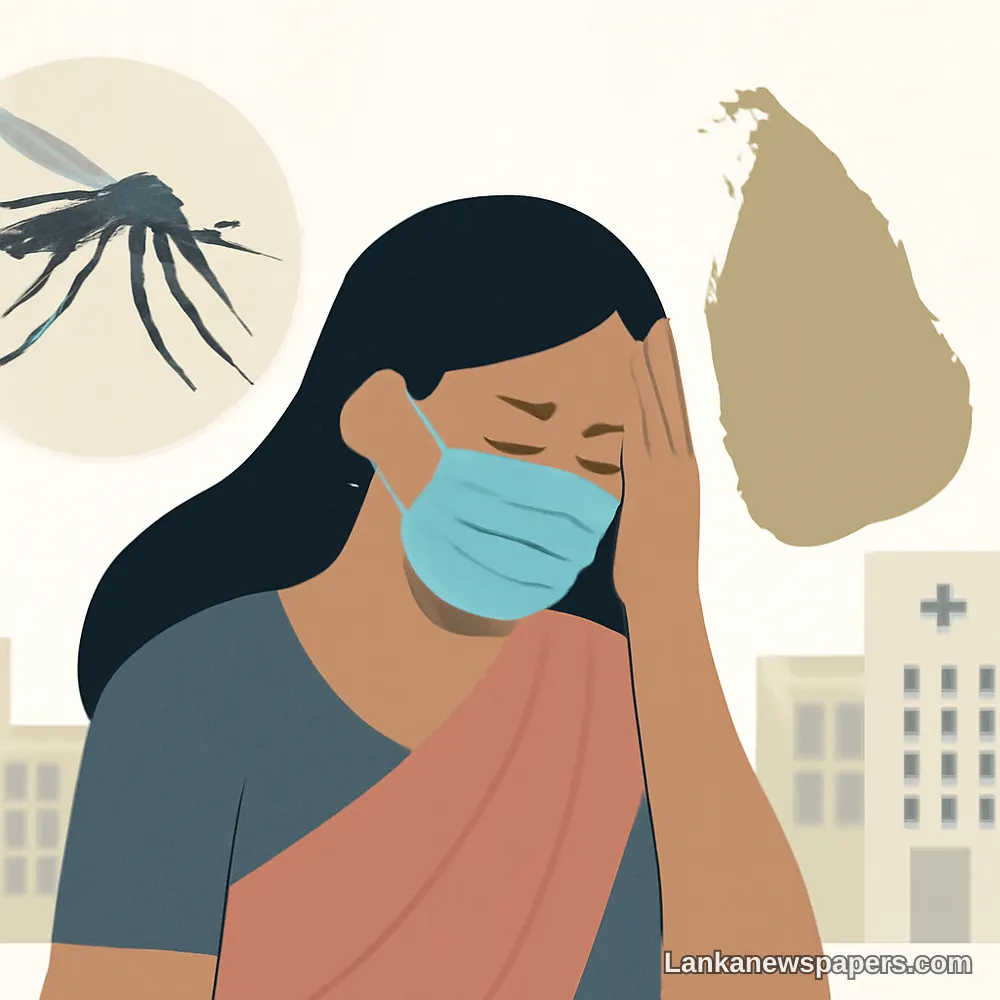
Alarming Rise in Dengue Infections Raises Public Health Concerns
Sri Lanka is facing a severe dengue outbreak, with recorded cases surpassing 82,000 by the month of July, signalling a deepening public health emergency that authorities are working urgently to contain.
The sharp rise in infections has placed considerable pressure on the country's healthcare system, with hospitals across multiple provinces reporting increased admissions of dengue patients. Health officials are urging the public to take immediate preventive measures to curb the further spread of the mosquito-borne disease.
What Is Driving the Outbreak?
Dengue fever, transmitted through the bite of the Aedes aegypti mosquito, thrives in stagnant water conditions — a situation made worse during Sri Lanka's rainy seasons. The combination of seasonal rainfall, rapid urbanisation, and inadequate waste management has created ideal breeding grounds for mosquitoes across both urban and rural areas.
Protecting Yourself and Your Community
Health authorities continue to advise the public to take the following precautions to prevent the spread of dengue:
- Remove or empty containers that collect stagnant water around homes and workplaces
- Use mosquito repellents and wear protective clothing, especially during early morning and evening hours
- Ensure water storage tanks and barrels are properly covered at all times
- Seek immediate medical attention if symptoms such as high fever, severe headache, or body pain develop
- Support community-level clean-up drives to eliminate potential mosquito breeding sites
A Call for Collective Action
Health experts stress that dengue prevention is not solely the responsibility of government authorities — every citizen has a role to play in keeping their surroundings clean and mosquito-free.
With cases already exceeding 82,000 and the year still ongoing, public health officials are intensifying surveillance and vector control operations nationwide. Communities are being urged to remain vigilant and cooperate with health workers conducting inspections in residential and commercial areas.
The situation serves as a stark reminder of the persistent threat dengue poses to Sri Lanka, and the critical importance of sustained public awareness and prompt government intervention in managing the outbreak before it worsens further.



💬 Join the Discussion 4
See what readers are saying — and add your view.
82,000 cases and its not even mid year, this is serious men
our drain near the house hasnt been cleaned in months, whose fault is that
every year same thing, goverment does nothing until ppl start dying
exactly, only talk talk, no action on the ground