Sri Lanka's LNG Strategy Faces Criticism as Idle Power Plants Drain $50 Million Annually
Costly Standby Operations Raise Alarm Over Energy Planning
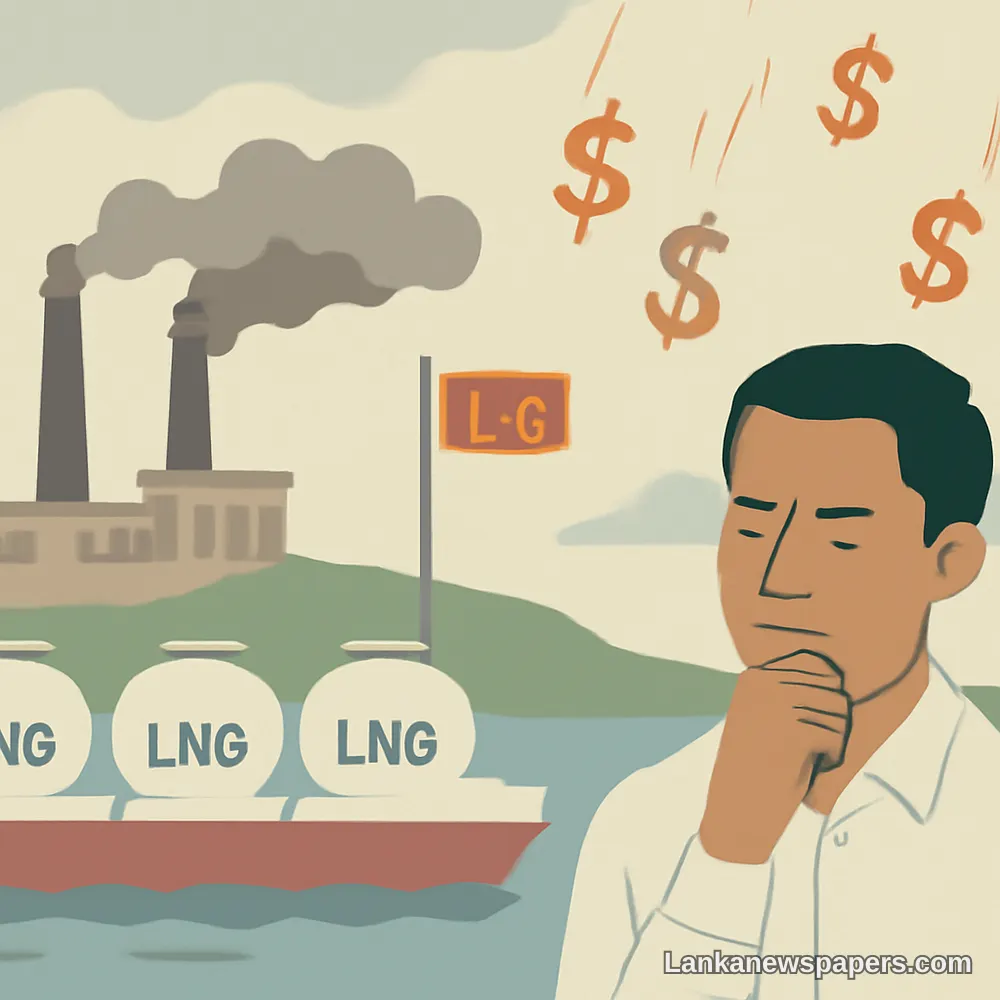
Sri Lanka's liquefied natural gas (LNG) strategy is facing mounting scrutiny after revelations that power plants sitting in standby mode are costing the country approximately 50 million US dollars every year — a staggering financial burden that critics say reflects deep flaws in the nation's energy planning.
Plants Running on Empty
The idle plants, which have been kept on standby pending the full establishment of LNG supply infrastructure, are consuming public funds without generating electricity at meaningful levels. Energy sector analysts and opposition voices have questioned why such facilities were commissioned or retained under agreements that obligate payments regardless of operational output.
The annual cost of maintaining these plants in standby mode has drawn sharp criticism at a time when Sri Lanka is still navigating the economic aftershocks of its worst financial crisis in decades. Opponents argue that committing scarce foreign exchange to non-productive energy assets is fiscally irresponsible and ultimately counterproductive to the country's recovery efforts.
LNG Transition Stalled
Sri Lanka has long signalled its intention to shift away from expensive fuel oil and coal toward cleaner, more cost-effective natural gas. However, the transition has been hampered by delays in securing a reliable LNG supply chain, including the absence of a permanent floating storage and regasification unit (FSRU) and long-term procurement agreements with international suppliers.
Without a stable and affordable source of LNG, the power plants designed to run on the fuel have remained largely underutilised, yet contractual obligations continue to impose fixed costs on the Ceylon Electricity Board (CEB) and ultimately on Sri Lankan consumers and taxpayers.
Calls for Accountability
Energy policy critics are now demanding greater transparency over the terms of agreements governing these plants and are urging the government to accelerate efforts to finalise LNG procurement frameworks. There are also calls for an independent review of the decision-making process that led to the current situation.
- Approximately $50 million spent annually on standby plant operations
- No full LNG supply chain yet in place to support the plants
- CEB faces ongoing financial strain linked to idle capacity payments
- Analysts urge faster resolution of LNG sourcing and infrastructure gaps
Government Under Pressure
The revelations add further pressure on the government to demonstrate decisive action in reforming Sri Lanka's troubled energy sector. With electricity tariffs already at historically high levels following recent restructuring, public tolerance for inefficiency and waste in the power sector is at a low ebb.
Observers say that unless Sri Lanka moves swiftly to operationalise its LNG plans with concrete supply agreements and infrastructure investment, the country risks continuing to pay heavily for power plants that deliver little in return — a situation that few can afford as the island nation works to rebuild its economy.


💬 Join the Discussion 0
Be the first to share your view on this story.