Colombo Tourism Hits Record Numbers in 2026, But Falling Dollar Earnings Expose a Deeper Challenge
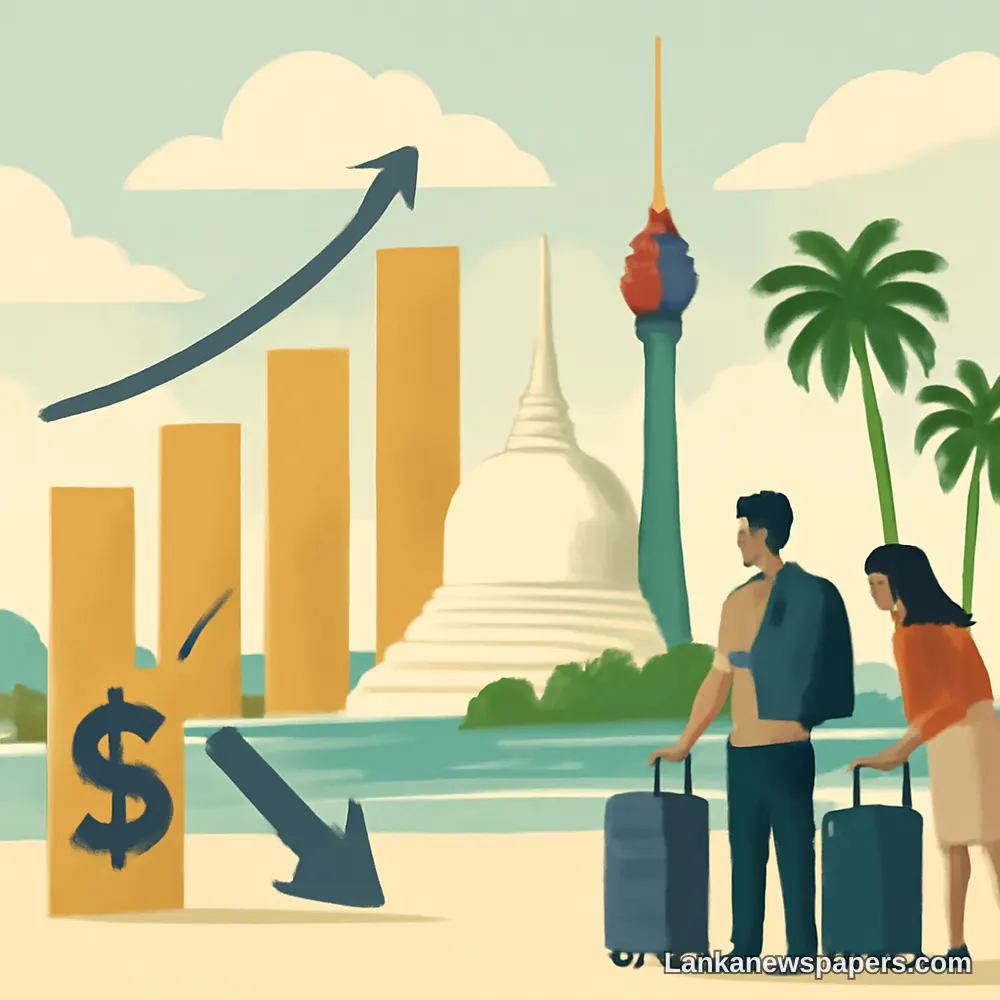
Sri Lanka's commercial capital Colombo has recorded unprecedented growth in tourist arrivals in 2026, marking a significant milestone for the country's recovering travel and tourism sector. However, beneath the headline figures lies a concerning trend — dollar income from tourism has declined, raising urgent questions about the quality and spending power of visitors coming to the island.
Record Arrivals, But Revenue Tells a Different Story
While the surge in visitor numbers has been widely celebrated as evidence of Sri Lanka's post-crisis tourism revival, industry analysts and policymakers are sounding a note of caution. The drop in foreign exchange earnings despite higher footfall suggests that the current wave of tourists is spending less per head than their predecessors, a pattern that poses a serious challenge to the sector's long-term sustainability.
For a country that relies heavily on tourism as a key source of foreign currency inflows, the disconnect between arrival volumes and actual dollar income is a warning signal that cannot be ignored. Sri Lanka's tourism authorities are now being urged to recalibrate their strategy and shift focus towards attracting higher-value visitors.
The Case for Quality Over Quantity
Tourism economists have long argued that chasing raw arrival numbers without regard for visitor expenditure is a flawed approach. The current situation in Colombo appears to validate that concern. A traveller who stays for fewer nights, opts for budget accommodation, and avoids premium dining or leisure experiences contributes far less to the national economy than a high-spending visitor, regardless of whether both are counted equally in arrival statistics.
The priority must shift from filling airports to filling treasury coffers. Volume without value is a hollow achievement for an economy still finding its feet.
Industry stakeholders are calling on the Sri Lanka Tourism Development Authority and related bodies to revisit marketing strategies, targeting source markets known for higher per-capita tourist expenditure, including Western Europe, North America, and premium segments of East Asian markets.
Infrastructure and Product Development Key to Attracting Premium Travellers
Experts note that attracting high-value tourists is not simply a matter of marketing. Sri Lanka must invest in upgrading its tourism product — from luxury hospitality and fine dining to curated cultural and wellness experiences — to justify premium pricing and compete with regional destinations such as the Maldives, Thailand, and Bali.
- Expansion of boutique and luxury accommodation options across key destinations
- Development of high-end experiential tourism, including ayurveda, eco-tourism, and heritage tours
- Improved air connectivity to attract long-haul travellers from high-spending markets
- Enhanced visitor services and safety standards to build destination credibility
Colombo's tourism boom in 2026 is undoubtedly a positive sign of the city's growing appeal on the global travel map. But for Sri Lanka to truly capitalise on this momentum, the focus must evolve beyond numbers. Converting visitor volume into meaningful economic benefit will be the defining challenge for the sector in the years ahead.



💬 Join the Discussion 4
See what readers are saying — and add your view.
genuine question, where are all these tourist dollars actually going then
goverment please focus on quality not just big numbers for the press release
more tourists but less money? sounds like we attracting the wrong crowd lah
exactly, backpackers spending 5 dollars a day not helping anyone