Former Central Bank Deputy Governor Sounds Alarm Over Looming Economic Crisis in Sri Lanka
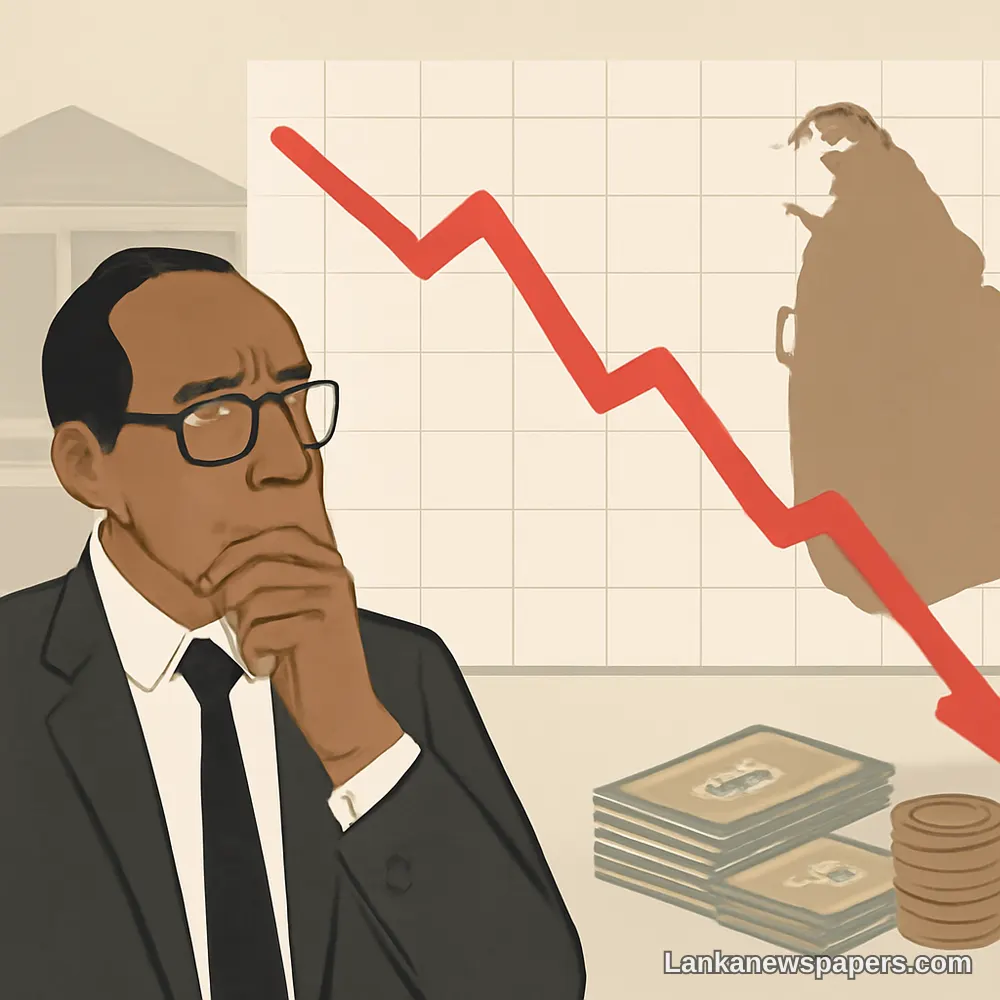
Senior Economist Raises Concerns Over Sri Lanka's Financial Trajectory
A former Deputy Governor of the Central Bank of Sri Lanka has issued a stark warning that the country may be on the verge of another significant economic crisis, raising fresh concerns about the island nation's fragile recovery from its worst financial collapse in recent memory.
Warning Comes Amid Ongoing Recovery Efforts
The cautionary statement carries considerable weight given the source's extensive background in monetary policy and financial governance. Sri Lanka, which declared its first-ever sovereign default in 2022 following a catastrophic foreign exchange crisis, has been navigating a painstaking recovery process under an International Monetary Fund bailout programme.
The former Deputy Governor warned that despite surface-level signs of stabilisation, the underlying structural vulnerabilities that contributed to the original crisis have not been adequately addressed, potentially setting the stage for another major economic downturn.
Key Areas of Concern
Among the issues highlighted, the following were identified as central to the growing risk:
- Persistent structural weaknesses in public finances and revenue generation
- Concerns over the pace and depth of economic reforms
- Vulnerability of the country's external sector and foreign reserves
- The long-term sustainability of Sri Lanka's debt restructuring arrangements
A Nation Still Healing
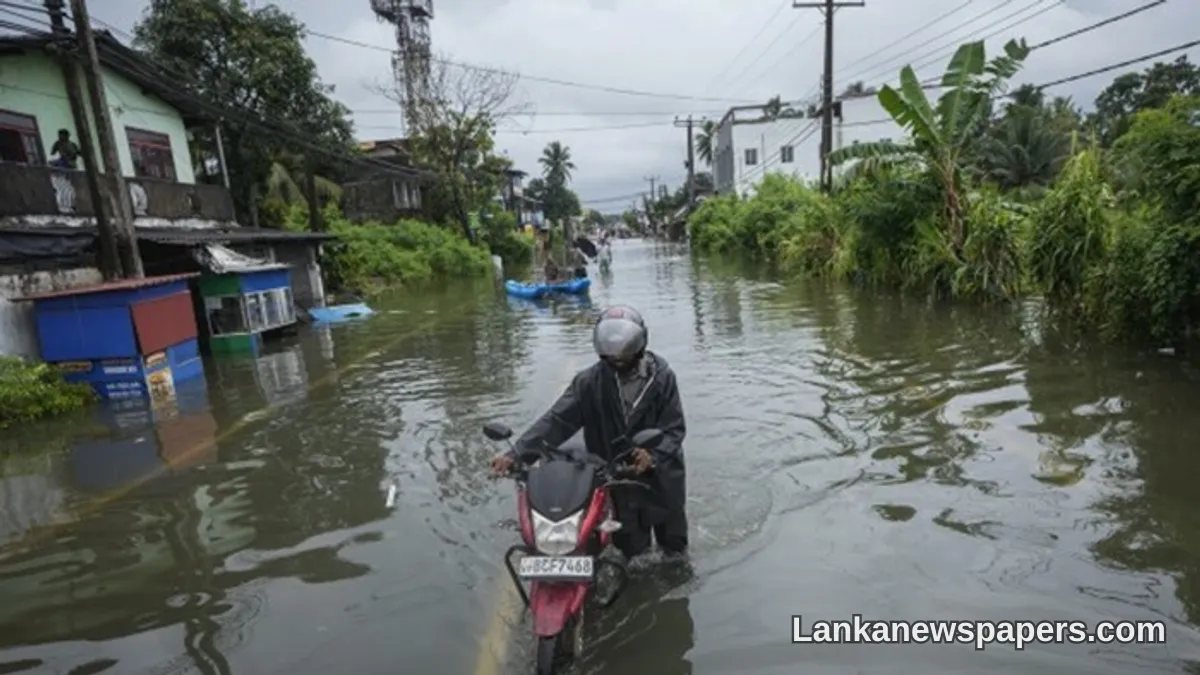
Sri Lanka's citizens endured prolonged fuel shortages, medicine scarcities, and lengthy power cuts during the peak of the 2022 crisis, which ultimately led to unprecedented public protests and a change of government. While conditions have improved considerably since then, many households continue to struggle with the elevated cost of living that followed.
The warning from a respected former central bank official serves as a sobering reminder that economic stabilisation and genuine structural recovery are not the same thing, and that complacency at this critical juncture could prove costly for the country's long-term financial health.
Calls for Vigilance
Economists and policy observers have echoed the need for Sri Lanka's authorities to remain vigilant and to press ahead with meaningful reforms rather than easing up on fiscal discipline as political pressures mount. The government has so far maintained its commitments under the IMF programme, but critics argue that more needs to be done to broaden the tax base, reduce state sector inefficiencies, and attract sustainable foreign investment.
As Sri Lanka prepares to navigate the next phase of its economic recovery, warnings such as these underscore the importance of transparent governance, prudent policymaking, and a steadfast commitment to reform — not merely for international creditors, but for the millions of ordinary Sri Lankans whose livelihoods depend on a stable and resilient economy.

💬 Join the Discussion 0
Be the first to share your view on this story.