Sri Lanka's Coal Power Slump in April Could Have Cost Nation Over Rs. 4.5 Billion in Diesel Spending
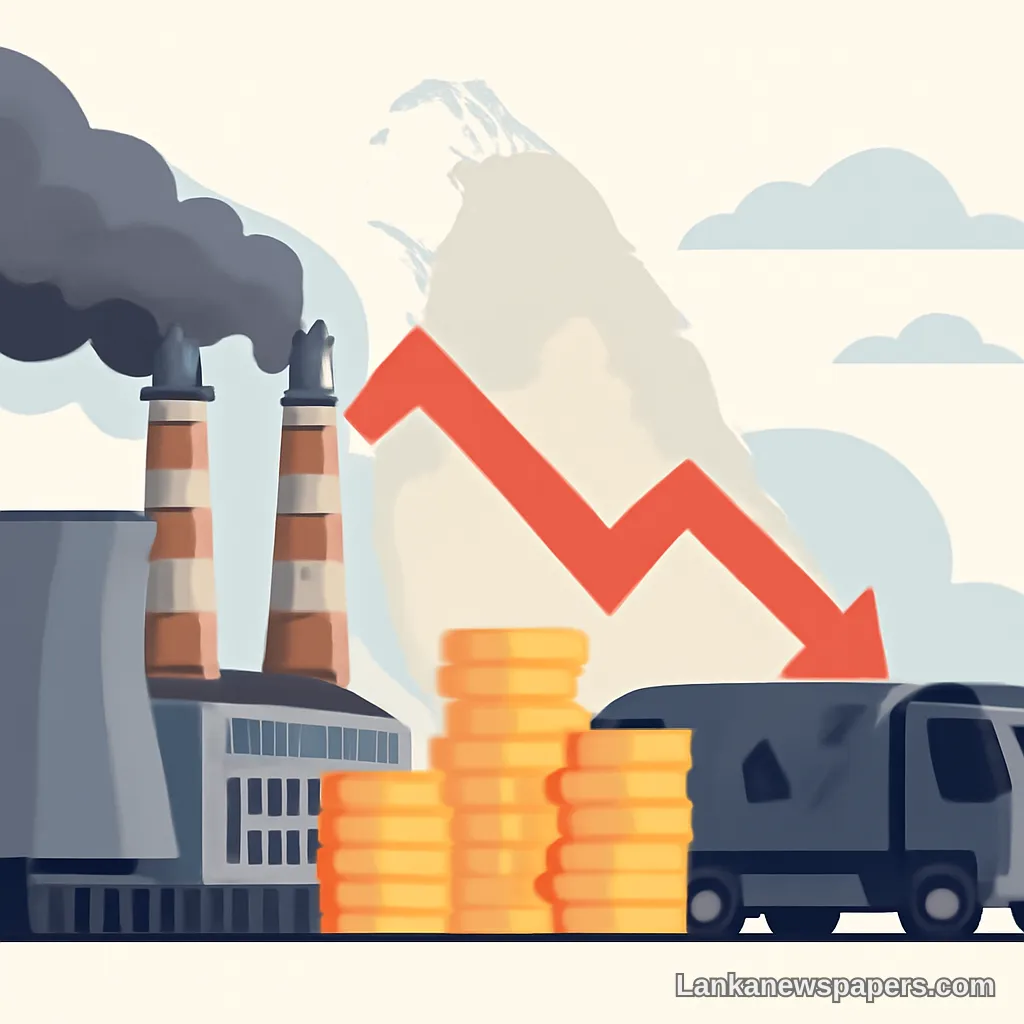
A significant drop in coal-fired electricity generation during April 2026 may have forced Sri Lanka to spend more than Rs. 4.5 billion on costly diesel-powered alternatives, raising fresh concerns about the country's energy expenditure and power sector management.
Coal Generation Falls by 27 GWh
Figures show that coal power generation declined by 27 gigawatt-hours (GWh) in April 2026 when compared to the same month in the previous year. To compensate for this shortfall, the Ceylon Electricity Board was compelled to turn to diesel-powered generation, which is considerably more expensive to operate.
The shift to diesel as a substitute fuel source has placed a heavy financial burden on the national power utility, with the replacement cost estimated to have exceeded Rs. 4.5 billion for the month of April alone.
A Costly Alternative
Diesel generation has long been regarded as one of the most expensive means of producing electricity in Sri Lanka. Unlike coal, which is procured in bulk at relatively lower cost, diesel-fuelled power plants carry significantly higher running costs, making them a last resort during periods of generation shortfall.
The substantial difference in operating costs between coal and diesel generation is what drives up the financial impact when coal output drops unexpectedly. A 27 GWh decline, while it may appear modest in isolation, translates into a staggering fiscal consequence when diesel must bridge the gap.
Broader Implications for Sri Lanka's Power Sector
Energy analysts and policymakers are likely to scrutinise the reasons behind the reduction in coal-fired output during April. Any sustained decline in coal generation, whether due to supply disruptions, plant maintenance issues, or logistical challenges, carries the risk of repeatedly pushing the country towards more expensive generation options.
- Coal power generation fell by 27 GWh in April 2026 compared to April 2025
- Diesel generation was used to compensate for the shortfall
- The estimated additional cost to replace coal with diesel exceeded Rs. 4.5 billion
For a country that has only recently begun to stabilise its economy following a severe foreign exchange crisis, unnecessary spikes in energy costs present a serious challenge to fiscal consolidation efforts. Electricity generation costs ultimately feed into tariff structures, with consumers and industries bearing the downstream consequences.
The episode once again underscores the urgent need for Sri Lanka to diversify and strengthen its electricity generation mix, with greater emphasis on reliable renewable energy sources that can reduce the nation's vulnerability to such costly disruptions in the future.


💬 Join the Discussion 0
Be the first to share your view on this story.