A High-Tech Response to a Growing Public Health Crisis
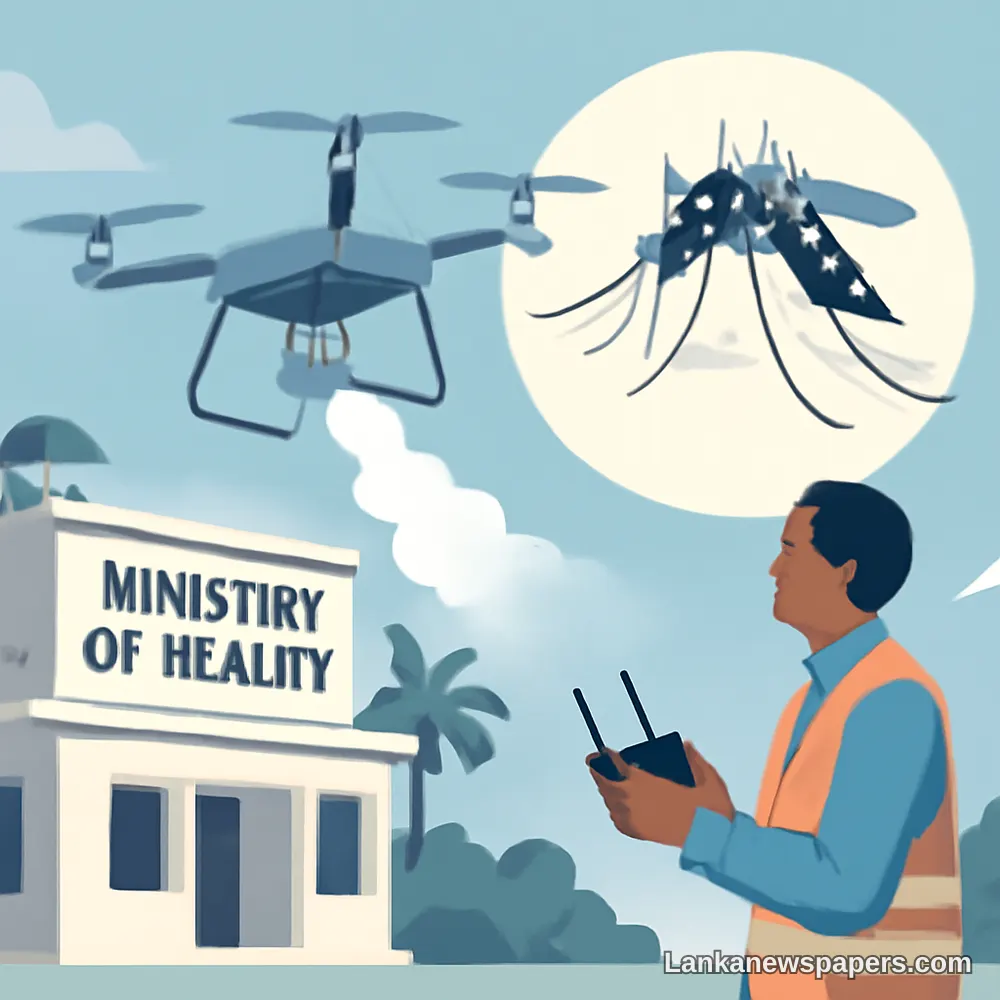
Sri Lanka has taken an innovative leap in its fight against dengue fever, deploying drones to combat the mosquito-borne disease that continues to pose a serious threat to public health across the island. The move marks a significant shift in the country's approach to what has long been one of its most persistent and dangerous seasonal illnesses.
What is Dengue Fever?
Dengue is a viral infection transmitted to humans through the bite of infected Aedes aegypti mosquitoes — the same species responsible for spreading Zika and chikungunya. The disease is not spread directly from person to person, making mosquito control the most critical line of defence.
Symptoms typically appear between four and ten days after a mosquito bite and can include:
- High fever
- Severe headaches and pain behind the eyes
- Joint and muscle pain
- Nausea and vomiting
- Skin rashes
- In severe cases, internal bleeding and organ failure
While many patients recover within a week or two with proper rest and hydration, severe dengue — sometimes called dengue haemorrhagic fever — can be fatal if left untreated. There is currently no specific antiviral treatment, making prevention and early detection critically important.
A Persistent Threat in Sri Lanka
Sri Lanka's tropical climate makes it an ideal breeding ground for the Aedes mosquito, which thrives in warm, humid conditions and breeds in stagnant water — including in flowerpots, discarded tyres, roof gutters, and water storage containers commonly found in both urban and rural settings.
The country has battled recurring dengue outbreaks for decades, with the Western Province — particularly the Colombo district — historically recording the highest number of cases. Outbreaks tend to peak during and after the monsoon seasons, when standing water becomes more prevalent.
Drones Enter the Fight
In a bid to gain the upper hand against the disease, Sri Lankan health authorities have begun using drone technology to identify and eliminate mosquito breeding sites. The drones are capable of surveying large areas rapidly, spotting collections of stagnant water that would be difficult or time-consuming to locate on foot — particularly in densely populated urban areas or hard-to-reach terrain.
This aerial approach allows authorities to map high-risk zones with greater precision and coordinate ground-level response teams more effectively, potentially cutting down the time between identifying a risk and taking action.
Prevention Remains Key
Health officials continue to urge the public to play their part in reducing the spread of dengue. Simple but effective preventive measures include:
- Emptying and cleaning water containers at least once a week
- Covering water storage tanks securely
- Using mosquito repellent and wearing protective clothing
- Ensuring proper drainage around homes and workplaces
- Seeking medical attention promptly if dengue symptoms appear
Looking Ahead
The introduction of drone technology represents a promising development in Sri Lanka's public health arsenal, but experts stress that technology alone cannot solve the problem. Community participation, sustained government investment, and public awareness remain equally essential in bringing dengue under control.
As climate change continues to expand the geographical range of Aedes mosquitoes globally, the lessons learned from Sri Lanka's drone-assisted dengue response could prove valuable well beyond the island's shores.



💬 Join the Discussion 1
See what readers are saying — and add your view.
finally goverment doing something instead of just talking