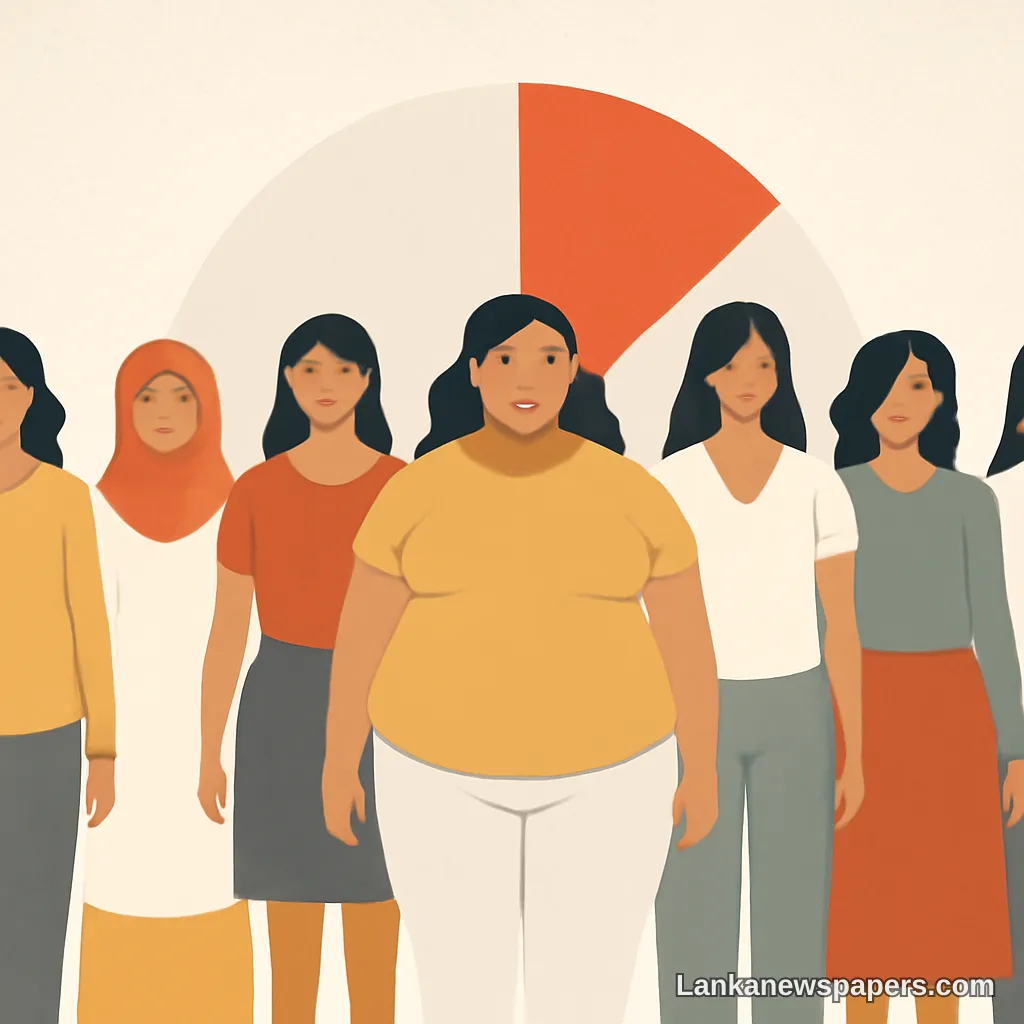
Sri Lanka's Ministry of Health has disclosed a concerning public health statistic, revealing that 15 percent of women in the country are currently classified as obese — a figure that underscores growing lifestyle and dietary challenges facing the island nation.
A Growing Public Health Concern
The data, released by the Ministry of Health, highlights a significant burden of obesity among the female population in Sri Lanka. With one in every seven women affected, health authorities are drawing attention to the need for urgent intervention and greater public awareness around nutrition, physical activity, and preventive healthcare.
Obesity is widely recognised as a leading risk factor for a range of serious non-communicable diseases, including type 2 diabetes, cardiovascular conditions, hypertension, and certain forms of cancer. The prevalence of these conditions has been steadily rising across South Asia in recent decades, and Sri Lanka is no exception.
Lifestyle and Dietary Shifts Behind the Numbers
Health experts point to rapid urbanisation, increasingly sedentary lifestyles, and a shift towards processed and calorie-dense foods as key drivers behind the rise in obesity rates among Sri Lankan women. Economic pressures and limited access to balanced nutrition have also been identified as contributing factors.
- Sedentary work environments and reduced physical activity
- Increased consumption of processed and fast foods
- Limited awareness of balanced dietary practices
- Socioeconomic barriers to accessing healthy food options
Call for Preventive Action
The Ministry of Health's disclosure is expected to prompt renewed focus on preventive health programmes targeting women across all age groups. Public health campaigns promoting regular exercise, balanced diets, and routine health screenings are seen as critical steps in reversing this trend.
Medical professionals and nutritionists continue to urge Sri Lankan women to seek regular health check-ups and consult healthcare providers for personalised guidance on maintaining a healthy weight and reducing the risk of obesity-related complications.



💬 Join the Discussion 1
See what readers are saying — and add your view.
portion sizes in this country are mad large, not surprised honestly